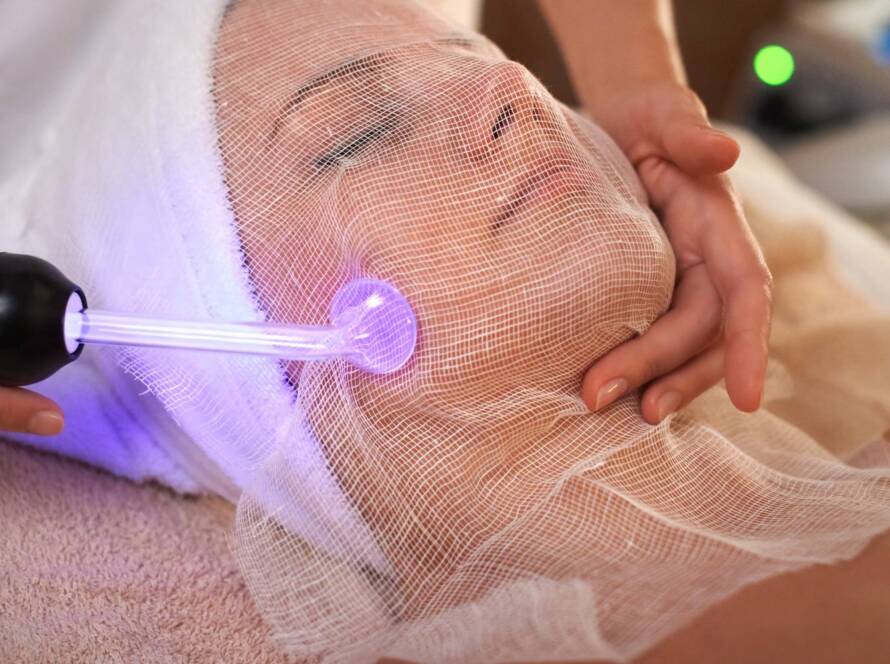
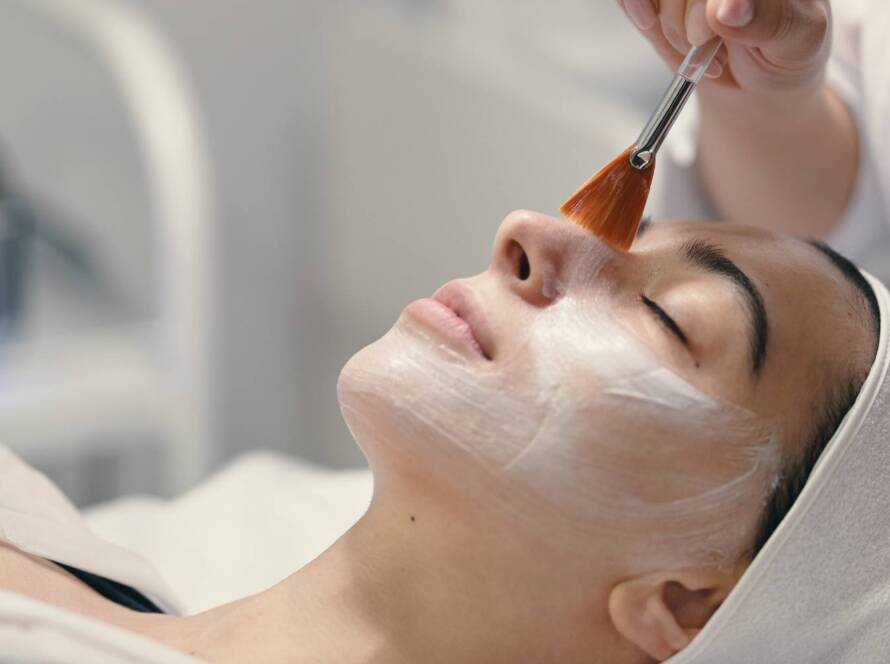
You want smoother, brighter, more youthful-looking skin. But the thought of needles, surgery, or weeks of hiding indoors gives you pause. Fair enough. The good news is that today’s non-invasive facial treatments have come a long way from the basic facial. They now offer clinically-backed results with little to no downtime. At Refined Skin Club, we’ve seen firsthand how the right mix of technology and technique can rejuvenate skin safely. This 2026 guide breaks down exactly which options deliver real results for your specific skin goals.
Understanding Non-Invasive Facial Treatments
What Counts as Non-Invasive vs. Minimally Invasive
Non-invasive treatments work on the skin’s surface or just beneath it. Think facials, chemical peels, microdermabrasion, and dermaplaning. No needles, no incisions. Recovery is usually immediate, and most people go back to their normal day right after.
Minimally invasive treatments go one step further. Microchanneling, for instance, creates tiny controlled punctures to trigger collagen renewal. These methods break the skin’s surface slightly, but they still skip surgery, stitches, and general anesthesia.
The line between the two matters when you’re planning a treatment schedule. A dedicated provider can walk you through which approach fits your goals, whether that’s texture, tone, or early signs of aging.
How These Treatments Differ from Surgical Facelifts
A surgical facelift repositions muscle and tissue under anesthesia. Recovery can drag on for weeks, with swelling, bruising, and genuine medical risk attached. Non-invasive options never cut beneath the skin. No scarring, no long healing stretch.
Results build slowly instead of showing up overnight. A course of microcurrent sessions or oxygen spray facials adds up over weeks, not days. Many clients pair treatments together, like med spa treatments that can get rid of a double chin, with facial rejuvenation for a fuller refresh minus the scalpel.
Who Typically Seeks These Treatments
Demand has grown among people who want visible results without stepping away from work or family. Busy professionals, new parents, and older adults just getting into skincare all fall into this group. Many are also driven by simpler concerns, like figuring out what are blackheads and how to treat them before things get worse.
Keeping expectations realistic matters here. These treatments refine, brighten, and maintain skin health. They don’t replace surgery. Most clients see gradual, cumulative improvement through consistent sessions.
Who Is a Good Candidate (and Who Isn’t)
Signs You’re a Good Candidate
Most adults from their mid-20s through late 60s make good candidates for gentle skin rejuvenation. Mild concerns respond best: fine lines, dullness, mild acne scarring, uneven tone, early sun damage, and clogged pores. If gradual improvement without downtime is what you’re after, these therapies fit well.
When to Consider Surgical Alternatives Instead
Deep wrinkles, real skin laxity, or major volume loss usually call for something stronger. In these cases, a filler, thread lift, or surgical route may get you results that facials or peels simply can’t. Looking into options like Non-Invasive Cosmetic Procedures NYC can help you see where gentle care ends and medical-grade correction begins.
Medical Conditions and Precautions
Certain health factors change what’s safe to do. A thorough intake helps a provider catch concerns before treatment starts.
- Active cold sores, open wounds, or infections need to heal fully before any facial procedure.
- Isotretinoin use within the past six months usually rules out peels, microchanneling, and dermaplaning.
- Pregnancy limits certain peel strengths, laser settings, and some skincare ingredients.
- Autoimmune conditions or blood clotting disorders require physician clearance first.
- Severe rosacea or eczema flare-ups may need calming care before deeper treatments start.
Since every case is different, a virtual skin consultation or in-person visit lets a professional review your history and point you toward the safest path.
Types of Non-Invasive Facial Treatments Explained
Injectables: Neuromodulators and Dermal Fillers
Neuromodulators like Botox relax the small muscles behind wrinkles. They work best on expression lines around the forehead, brows, and eyes. Results show up within three to seven days and last three to four months, so this is a repeat-visit option, not a one-time fix.
Dermal fillers work differently. They add volume using hyaluronic acid or similar gels. Providers use them to soften nasolabial folds, plump thin lips, or bring back cheek volume lost to age. Filler sits deeper than neuromodulators, targeting structure instead of muscle movement.
Which one you choose depends on the concern. Fine lines from movement respond better to neuromodulators. Lost volume or hollow areas call for filler. Many patients combine both for balanced, natural-looking results. This pairing shows up often among treatments that dont require a knife.
Energy-Based Devices: Laser, IPL, and Radiofrequency
Energy-based devices treat skin using light, heat, or electrical currents. Laser treatments target pigment, redness, or texture issues by heating specific layers of tissue. Some lasers stay on the surface, while fractional lasers reach deeper to stimulate collagen.
IPL, or intense pulsed light, uses broad-spectrum light instead of a single laser wavelength. It works well on sun spots, rosacea, and uneven tone. Sessions run quick, often 20 to 30 minutes, with minimal downtime.
Radiofrequency devices heat the deeper dermis to firm skin and improve elasticity, no cutting or piercing required. This overlaps with what the Cleveland Clinic describes in its guide on the Nonsurgical Facelift: What It Is, Options & Benefits. Matching the device to the concern, whether pigment, redness, or laxity, matters more than chasing the trendiest option.
Skin Resurfacing and Exfoliation Treatments
Chemical peels use acids to strip away damaged surface cells, improving tone, texture, and mild scarring. Strength ranges from light lunchtime peels to deeper formulas that need several days of recovery.
Microchanneling and microdermabrasion offer mechanical exfoliation, encouraging cell turnover and better product absorption. Dermaplaning removes dead skin and fine hair with a gentle blade, leaving skin smoother within minutes.
These options suit patients who want gradual, low-risk improvement rather than dramatic change. They’re often paired with regular facials or extractions for upkeep.
Comparing Popular Treatment Options Side by Side
Injectables vs. Laser Resurfacing vs. Chemical Peels
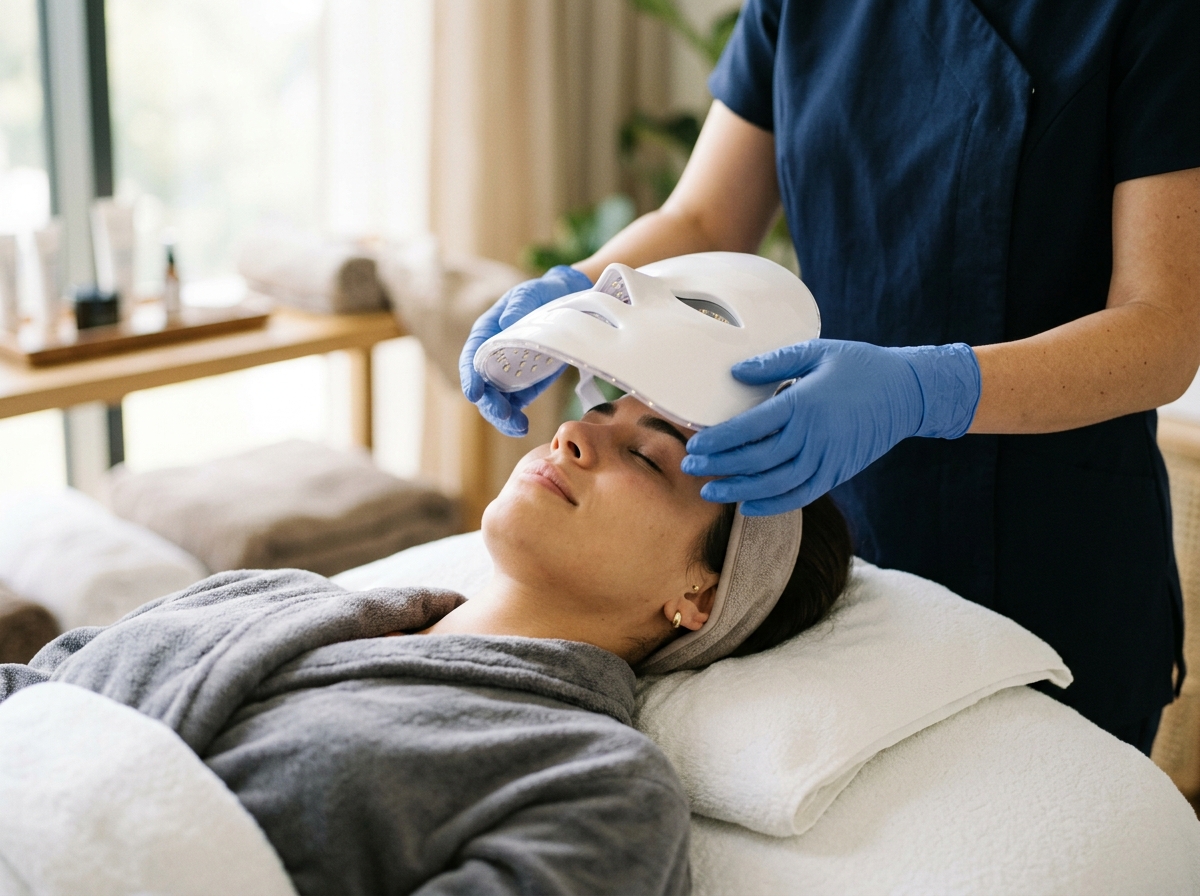
Each option falls under the broader umbrella of Non-Surgical Procedures, but they work differently and suit different goals. Downtime, cost, and longevity vary widely, so comparing them side by side helps set realistic expectations before you book anything.
| Treatment | Downtime | Longevity | Cost Range | Best For |
|---|---|---|---|---|
| Injectables | 0–2 days | 3–6 months | $300–$800 | Wrinkles, volume loss |
| Laser Resurfacing | 2–7 days | 1–3 years | $400–$1,500 | Texture, scarring, sun damage |
| Chemical Peels | 0–5 days | 1–3 months | $100–$400 | Dullness, mild acne, tone |
| Microchanneling | 1–3 days | 2–4 months | $200–$600 | Fine lines, pores |
Longevity and Maintenance Schedule Comparison
Peels and facials need frequent touch-ups. Lasers and injectables space out further apart. Many people also ask whether do facials help with acne as part of a maintenance routine, and regular sessions can keep skin clearer between deeper treatments. Combining therapies, say, a peel after laser healing, often stretches out results and sharpens texture faster than any single treatment alone.
What Happens During Treatment
The Initial Consultation and Skin Assessment
Every treatment day starts with a conversation. A skincare professional examines your skin, asks about your history, and reviews your goals before touching your face. This step matters. According to The 5 Most Effective Non-Surgical Facial Procedures, matching the right therapy to your skin type is key to getting real results. This is also your chance to ask about sensation, downtime, and pricing.
Step-by-Step: During the Procedure
Once your treatment plan is set, the session follows a clear sequence. Most appointments run 30 to 90 minutes, depending on the therapy.
- Your skin is cleansed thoroughly to remove makeup, oil, and surface debris before any device or product touches it.
- A numbing cream or cooling gel may be applied if the treatment, such as microchanneling, involves deeper stimulation.
- The provider performs the core procedure, whether that’s a chemical peel application, laser passes, or microcurrent stimulation.
- You may feel warmth, tingling, mild pressure, or brief stinging, but sharp pain is not typical.
- A calming mask, serum, or oxygen spray is often applied afterward to soothe the skin and lock in hydration.
Immediate Aftercare Instructions
Before you leave, staff explain how to care for your skin over the next 24 to 48 hours. These guidelines resemble general botox aftercare advice: avoid sun exposure, skip harsh products, keep skin hydrated while it recovers.
Benefits and Risks You Should Know
Key Benefits Over Surgical Procedures
Skin rejuvenation without surgery means no incisions, no general anesthesia, and little to no downtime. Many people head back to work the same day. Costs run lower than surgical facelifts too, and results build gradually, which tends to look more natural. If you’re exploring body-focused options as well, the benefits of coolsculpting follow this same low-risk philosophy.
Possible Side Effects and Risks
Most reactions are mild and pass quickly. Rare complications tend to happen when treatments are done incorrectly or on poor candidates.
| Reaction | Frequency | Typical Duration |
|---|---|---|
| Redness or swelling | Common | 1–2 days |
| Mild peeling or flaking | Common | 3–7 days |
| Bruising at injection sites | Occasional | 3–10 days |
| Hyperpigmentation | Rare | Weeks to months |
| Infection or scarring | Very rare | Varies, needs treatment |
How to Minimize Complications
Choosing a licensed, experienced provider is the single best safety step you can take. Ask about training, sanitation practices, and product certifications before booking. Programs like Non-Surgical Facial Rejuvenation Florida show how proper screening and technique cut down risk significantly. Always disclose allergies, medications, and skin conditions beforehand.
Recovery, Results Timeline, and Longevity
What Recovery Looks Like Day by Day
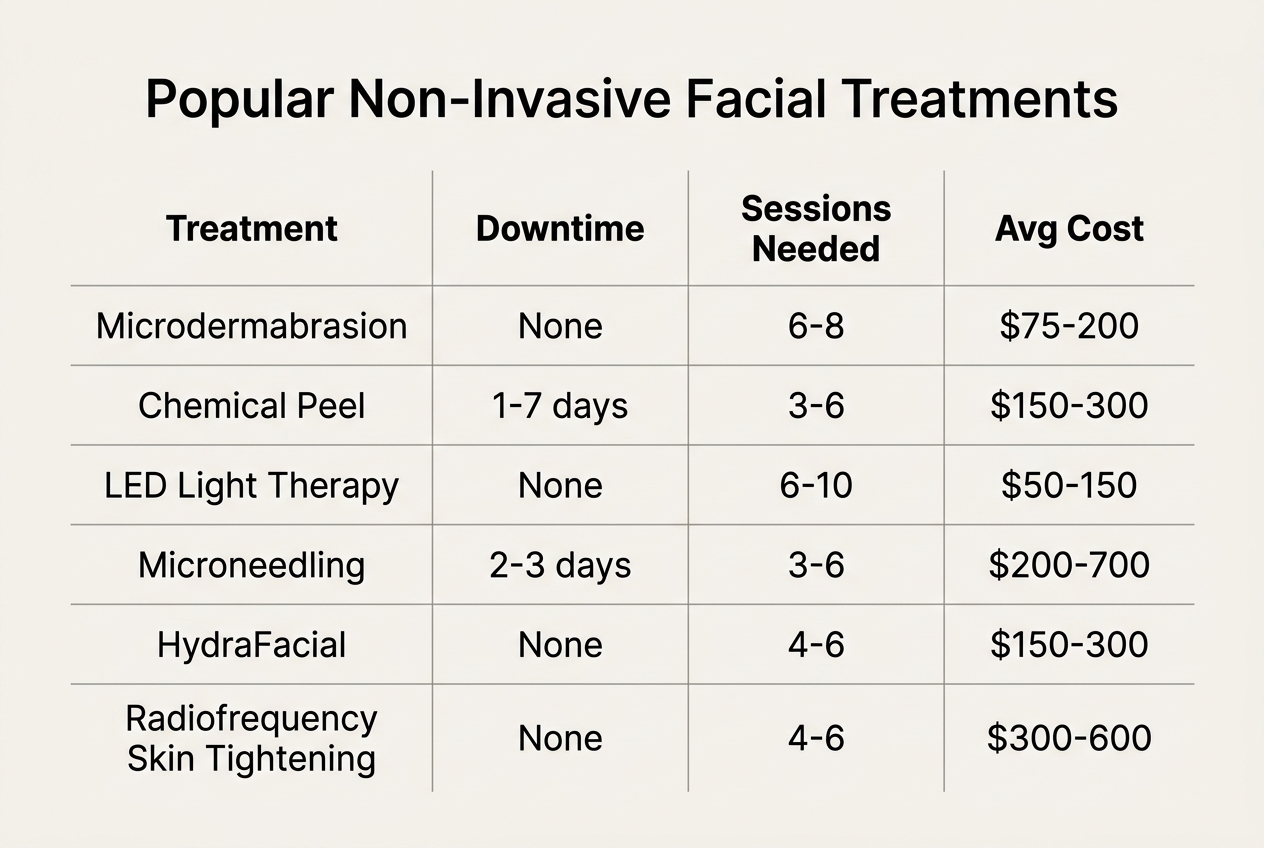
Recovery depends on the therapy. A basic facial or oxygen spray leaves skin glowing with zero downtime. You go back to work right away. Chemical peels behave differently. Light peels flake for two to three days. Medium peels can shed skin for five to seven days.
Microchanneling causes redness for one to two days, similar to a mild sunburn. Some clients ask whether can you do microneedling at home to speed this along, but professional sessions use controlled depth for safer, faster healing. Dermaplaning and microdermabrasion carry almost no downtime.
Cryotherapy sessions cause temporary redness lasting under an hour. Facial extractions may leave mild pinkness for a day. Always follow the provider’s specific aftercare instructions for your treatment type.
When You’ll See Visible Improvement
Some results show up instantly. Microcurrent lifts and oxygen sprays leave immediate glow, visible the moment you leave the chair. Facials and dermaplaning also deliver same-day brightness.
Other treatments work gradually. Chemical peels reveal fresher skin within a week, as damaged layers shed. Microchanneling stimulates collagen over four to six weeks, with full results showing up near the three-month mark. This lines up with findings on Non-invasive Facial Rejuvenation, where gradual collagen rebuilding produces lasting change.
Patience matters here. Judging results too early can lead to unnecessary extra sessions.
How Long Results Typically Last
Longevity varies widely. Facials and oxygen treatments last one to two weeks. Peels last four to six weeks before skin turnover wears off the effect. Microchanneling results can last three to six months with proper care.
Microcurrent lifting fades within days to a week without repeat sessions. Most clients schedule touch-ups seasonally, adjusting frequency based on skin goals and lifestyle factors like sun exposure.
Maintaining and Maximizing Your Results
Daily Skincare Routine Recommendations
Good results depend on what happens at home, not just in the treatment room. A gentle cleanser, a targeted serum, and a moisturizer suited to your skin type should form the backbone of your daily routine. Skip these steps and you’ll shorten how long results from facials, peels, or microchanneling actually last.
Avoid harsh scrubs or active ingredients like retinol right after treatments such as dermaplaning or microdermabrasion. Give skin a few days to recover before bringing exfoliants back in. Consistency beats intensity, so a simple routine followed daily wins over an elaborate one used sporadically.
Sun Protection and Lifestyle Factors
Sun exposure is the single biggest threat to your results. Daily SPF 30 or higher protects collagen gains from peels and microcurrent sessions alike. For seasonal guidance, these summer skincare tips outline how to adjust habits as UV intensity rises.
Sleep, hydration, and diet shape skin longevity too. Smoking and excess sugar speed up collagen breakdown, while seven to eight hours of sleep supports repair. Stress management, even brief cryotherapy or headspa sessions, can ease inflammation that undermines results.
Building a Long-Term Treatment Plan
Most non-invasive therapies aren’t one-time fixes. Facials benefit from monthly upkeep, while chemical peels and microchanneling often work best on a six to eight week cycle. This 10 Non-Surgical Skin Treatments for Anti-Aging: What’s Wo… video reviews typical scheduling patterns across popular options.
Track your skin’s response over several sessions before adjusting frequency. A provider can help fine-tune timing based on visible changes, seasonal needs, or upcoming events.
Costs and What Influences Pricing
Average Price Ranges by Treatment Type
Pricing varies widely based on the category of treatment. Below is a general breakdown many local businesses use as a starting reference.
| Treatment Category | Typical Price Range (Per Session) |
|---|---|
| Classic Facials & Dermaplaning | $75–$175 |
| Chemical Peels | $100–$300 |
| Microchanneling | $250–$500 |
| Laser-Based Treatments | $200–$600 |
| Body Contouring | $300–$1,200 |
Factors That Affect Total Cost
Provider expertise shapes pricing quite a bit. A licensed esthetician with advanced certifications usually charges more than an entry-level technician. Location matters too. Urban clinics typically cost more than suburban or rural offices.
Insurance rarely covers these services, since most count as cosmetic. Many clinics offer package deals, membership plans, or financing to ease the cost. Reading a clinic’s blog can help you understand pricing structures before booking a session.
When to Consult a Professional
Red Flags That Need Medical Attention
Most reactions to facials, peels, or microchanneling are mild and short-lived. But some symptoms mean it’s time to call a provider right away. Don’t wait it out if something feels wrong days after treatment.
- Swelling that worsens after 48 hours instead of gradually improving.
- Blistering, open sores, or skin that turns white or gray.
- Signs of infection, including warmth, pus, or spreading redness.
- Severe pain that isn’t controlled by over-the-counter medication.
- Vision changes or unusual swelling near the eyes after brow or lash lifts.
- A rash or hives suggesting an allergic reaction to products used.
Choosing a Qualified Provider
Credentials matter as much as results. A licensed, experienced practitioner understands skin anatomy, product strength, and how to handle complications. Ask about training, years in practice, and whether a medical director oversees treatments like chemical peels or laser work. Many local businesses list certifications online, but it’s fair to ask directly during your first visit.
Questions to Ask During Your Consultation
A good consultation feels like a conversation, not a sales pitch. Bring a short list of questions before booking anything, including popular add-ons like lash lifts.
- What credentials and certifications does the person performing my treatment hold?
- How many times have you performed this specific procedure on a similar skin type?
- What side effects are normal, and which ones should prompt a call to the office?
- Can I see before-and-after photos from real clients you’ve treated?
- What happens if I have a reaction after hours or on a weekend?
Getting Started with Your Personalized Skincare Plan
Building a Treatment Plan Around Your Skin Goals
Every skin journey starts with a clear goal. Maybe you want smoother texture, fewer breakouts, or a brighter tone. A personalized plan begins by mapping your skin type, concerns, and lifestyle before any treatment gets recommended. This matters, because two people with “acne” can need completely different approaches.
A good plan often combines services. Someone with clogged pores might start with facial extractions and microdermabrasion, then move into monthly chemical peels. Another client focused on aging skin might pair microcurrent sessions with microchanneling for collagen support. Even smaller add-ons matter — understanding does waxing reduce hair growth, for example, helps set realistic expectations if brow or facial waxing is part of your routine.
Your plan should evolve over time. Skin changes with seasons, hormones, and age, so a treatment that worked in your twenties may need adjusting later.
Next Steps: Booking a Consultation
The best way to start is a professional consultation. A trained esthetician can assess your skin in person, or through a virtual skin consultation if your schedule is tight. This step skips the guesswork and cuts the risk of choosing treatments that don’t fit your skin’s needs.
During the visit, expect questions about your medical history, current products, and goals. Many local businesses now offer flexible booking online, making it easy to fit a consultation into a busy week. Bring photos of past breakouts or concerns if you have them — visual history helps providers spot patterns faster.
Once your consultation wraps up, you’ll leave with a realistic roadmap, timeline, and cost estimate. That clarity makes committing to a skincare plan far less overwhelming.
If your goal is smoother texture, softer lines, or simply skin that looks more rested, the most reliable next step is a conversation with a licensed esthetician who can look at your skin honestly and map out a realistic series rather than a one-time fix. Injectables and resurfacing lasers stay in the hands of medical providers, while gradual, collagen-supporting work like microchanneling, chemical peels, dermaplaning, and microcurrent builds results over time — the kind of care Refined Skin Club puts into its facials. Either way, knowing which path suits your skin and your patience makes the decision far easier than guessing from a treatment menu.