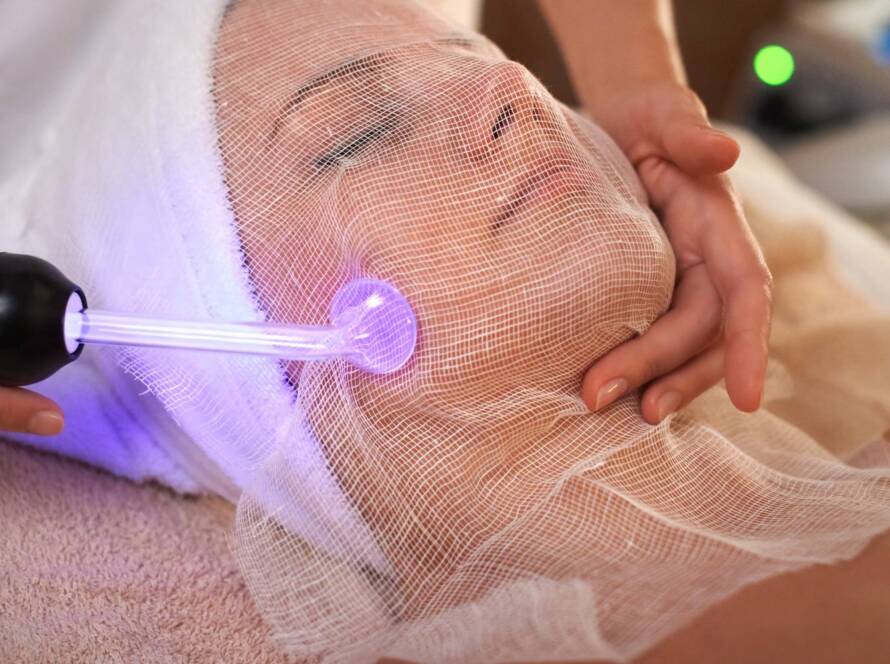
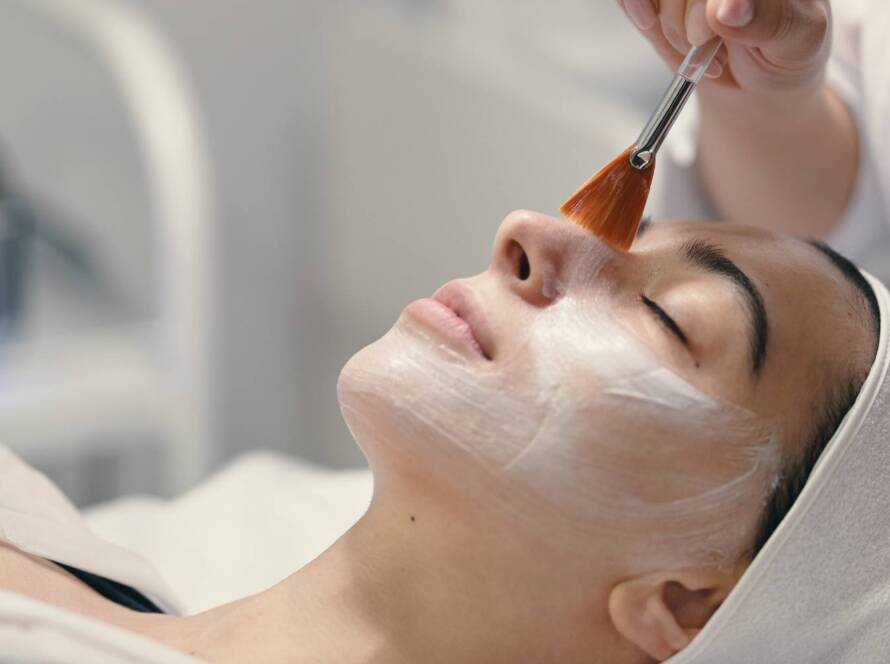
You’ve tried the serums. You’ve done the exfoliating masks. Yet when the light hits your face just right, that bumpy, uneven skin texture is still staring back at you in the mirror. This guide breaks down exactly what’s causing your skin texture concerns and gives you a real, dermatologist-informed plan to smooth things out for good.
What Is Skin Texture and Why Does It Change
Texture vs. Tone: Knowing the Difference
Skin texture is about feel and surface, not color. Run a finger across your cheek. Is it smooth, or does it catch on bumps, flakes, or raised scars? That’s texture. Tone is something else entirely — it covers hyperpigmentation, redness, sun spots, and uneven skin color. You can have perfectly even tone and still have a rough, bumpy surface underneath it. That’s exactly why so many people treat the wrong problem for months.
This mix-up happens constantly. Someone buys a brightening serum for what they think is discoloration, when really the shadows they’re seeing are just texture irregularities catching light differently. Here’s a quick way to tell them apart: tone issues are usually flat and visible in a mirror from across the room. Texture issues show up more under raking light or when you touch the skin. Dermatologists often assess both separately during a skin exam, sometimes recommending a professional evaluation like a virtual skin consultation before deciding on a plan.
How Buildup, Pores, and Scarring Roughen the Surface
Dead skin cells are supposed to shed on a roughly 28-day cycle, but that process slows with age, sun damage, and dehydration. When cells pile up instead of shedding, they create a dull, uneven surface that feels rough and looks flat under makeup. Enlarged pores add to the effect. They’re not just visible circles — they physically alter the topography of the skin, creating shadows and texture shifts you can feel with a fingertip. Acne scarring compounds it further, leaving pitted or raised areas that don’t resolve on their own.
Here’s the blunt part: no cream fully erases textural scarring. Topicals can soften the look, but real change usually needs treatments that work below the surface, like microchanneling or chemical peels, which encourage collagen remodeling rather than just smoothing what’s on top. Regular exfoliation, whether through at-home acids or in-office microdermabrasion, helps manage the dead-cell buildup piece. But it won’t touch a deep scar. Keep that distinction in mind before spending money chasing the wrong fix.
Why Texture Worsens With Age
As skin ages, collagen and elastin production drops roughly 1% per year after your mid-20s. That decline doesn’t just cause fine lines — it also thins the skin, making existing texture irregularities, old scars, and pore patterns more noticeable. Cell turnover slows too, so dead skin lingers longer, adding a layer of dullness on top of everything else. It’s a compounding problem, not an isolated one.
This is why texture, fine lines, and dullness tend to show up together rather than in isolation. A 40-year-old dealing with rough patches is often also noticing crepiness around the eyes and a general loss of glow, all stemming from the same slowdown in cell renewal. Some people research the connection on their own. A quick search on YouTube turns up plenty of dermatologist explanations of how collagen loss reshapes the skin’s surface over time. Understanding that overlap matters, because treating one concern in isolation rarely delivers the full result someone’s hoping for.

Common Causes of Rough or Bumpy Skin
Acne-Related Texture Changes
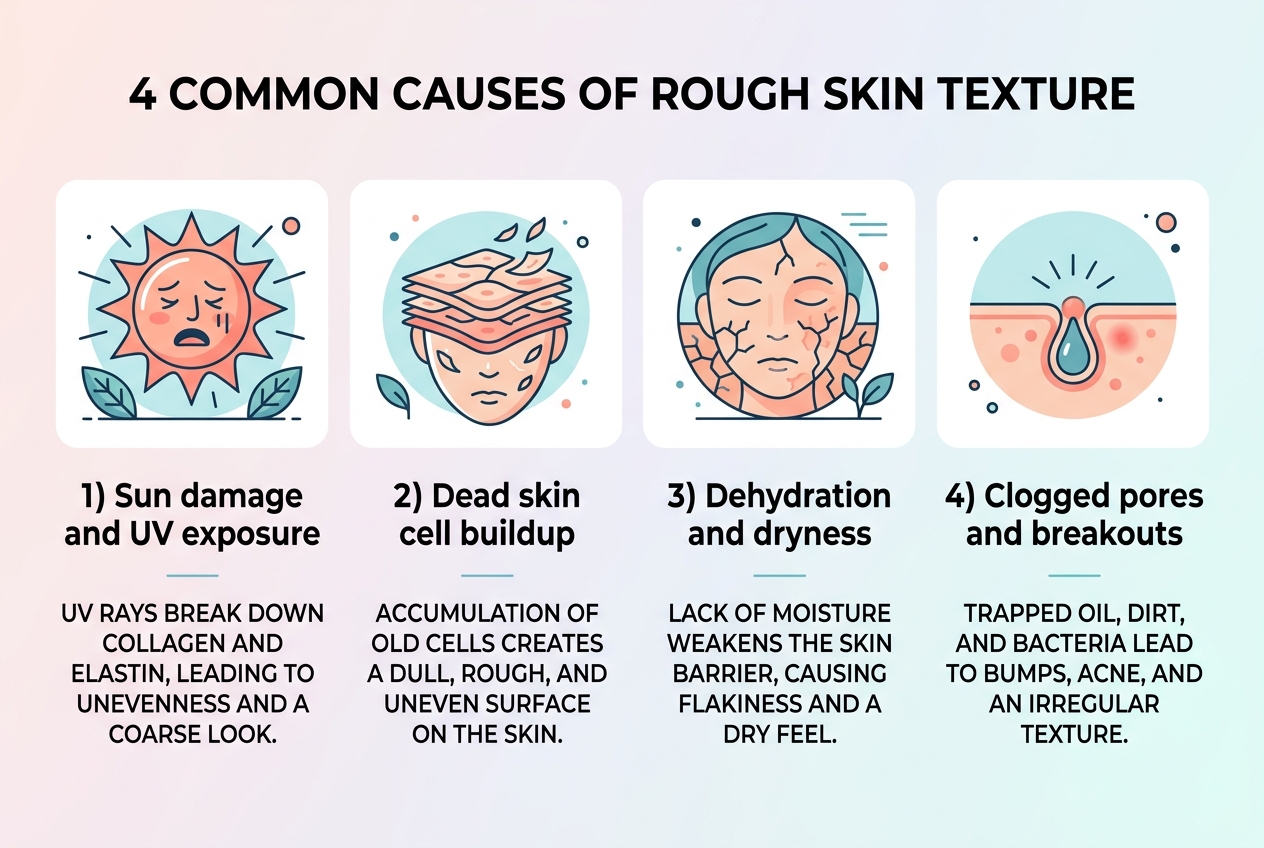
Clogged pores are the usual starting point. Oil, dead skin cells, and bacteria build up inside the follicle, and the result is a raised bump, a whitehead, or worse, a cyst that leaves a mark long after it’s gone. Post-acne scarring is what turns a temporary breakout into a permanent texture problem. Once collagen is damaged during the healing process, you’re left with pitted or uneven skin that no amount of moisturizer will smooth out on its own.
A few patterns show up again and again in acne-related texture:
- Trapped oil and bacteria form inflamed papules or pustules that sit above the skin’s surface and feel rough to the touch.
- Repeated breakouts in the same area create boxcar or rolling scars as collagen fibers break down during healing.
- Picking or squeezing blemishes pushes inflammation deeper, often worsening the scar that eventually forms.
- Hormonal acne along the jawline and chin tends to produce deeper, firmer bumps than surface-level congestion.
- Comedonal acne, made up of blackheads and whiteheads, gives skin a grainy, sandpaper-like feel even without visible inflammation.
Aging and Environmental Factors
Sun exposure is quietly destructive. UV rays break down collagen and elastin while thickening the outer skin layer, so skin looks coarser and feels tougher over time. Natural aging adds to it. Cell turnover slows down, dead cells linger longer on the surface, and skin loses that smooth, reflective quality it had in your twenties. Dehydration piles on top of both, making texture look flaky, crepey, or dull depending on how dry the skin has become.
Genetics and hormones matter too. Some people are simply more prone to enlarged pores or rough patches no matter how good their routine is. Certain skincare products don’t help either. Heavy, comedogenic formulas clog pores just as easily as skipped cleansing does. If you want a broader rundown of triggers, a piece on how to improve skin texture for a flawless look covers the environmental side well. Treatments like chemical peels and microchanneling are often brought in specifically to address this combined damage, since no single cause usually acts alone.
How Professionals Diagnose and Treat Uneven Skin Texture
Matching Treatment Intensity to Skin Goals
Before any treatment gets picked, a good provider looks at four things: skin type, age, how much downtime you can actually afford, and your budget. That first conversation matters more than people think. Someone with sensitive, acne-prone skin in their 20s needs a completely different plan than someone in their 50s dealing with sun damage and volume loss. Understanding why your skin feels “bumpy” and what to do about it is usually step one, since the underlying cause dictates everything that follows.
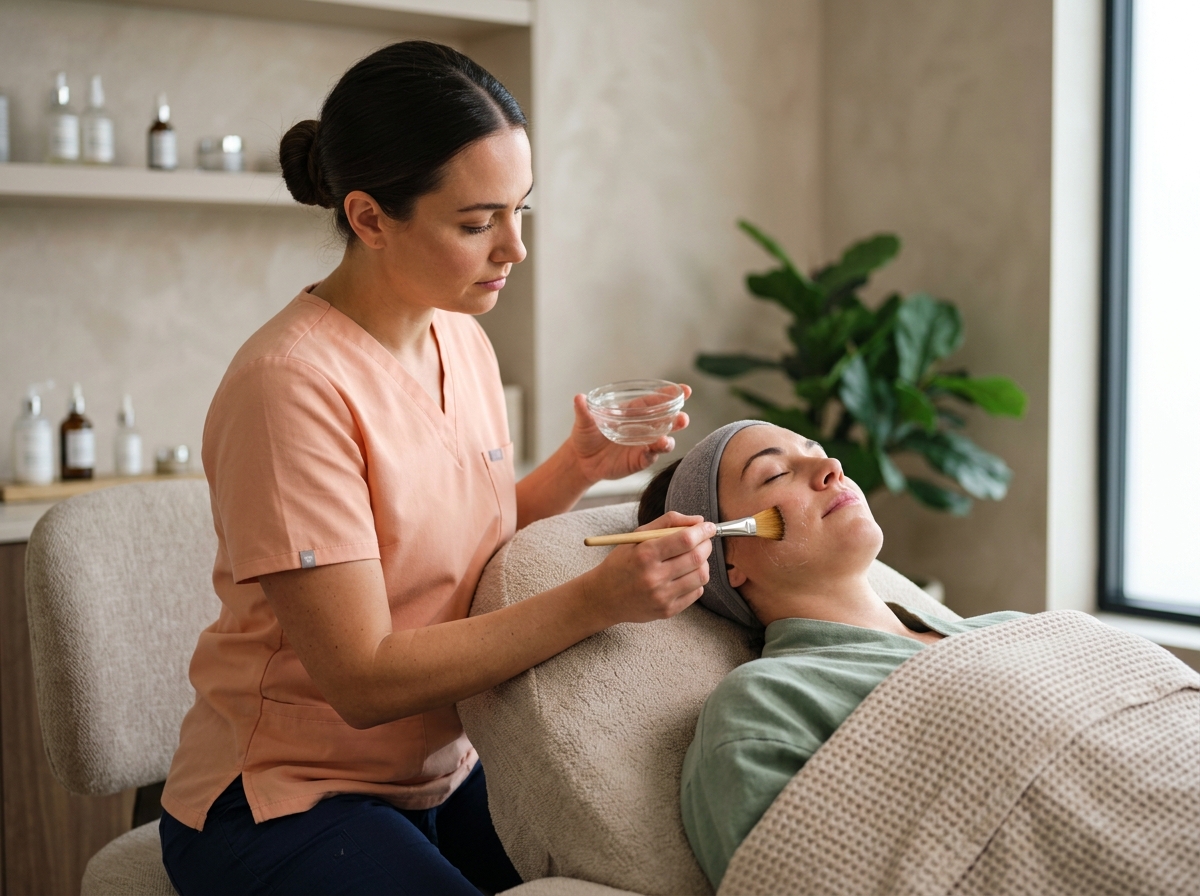
Once the cause is clear, intensity gets matched to goal. Chemical peels resurface the top layer of skin, using acids to slough off dull, congested cells and reveal smoother skin underneath. Microneedling and microchanneling go deeper, creating tiny controlled injuries that trigger regenerative collagen production, which gradually fills in old acne scars and refines enlarged pores. Facials sit at the maintenance end of the spectrum, keeping results steady between bigger procedures — and yes, do facials help with acne is a fair question, with the answer depending heavily on which facial and how consistently it’s done.
Here’s a rough breakdown of how these options typically stack up in a treatment plan:
| Treatment | Primary Target | Typical Downtime | Sessions Often Needed |
|---|---|---|---|
| Facial (customized) | Maintenance, mild congestion | None | Monthly, ongoing |
| Chemical peel | Dullness, surface roughness | 1–5 days | 3–6 |
| Microneedling | Scarring, texture, fine lines | 1–3 days | 3–6 |
| Microchanneling | Deeper scars, product infusion | 1–2 days | 4–6 |
Most plans layer these rather than picking just one. A peel might run alongside monthly facials, with microneedling added every few weeks once skin tolerates it. No single session fixes years of scarring. Budget and patience both factor into pacing treatments realistically.
Comparing In-Office Treatments for Texture Concerns
Not every bumpy patch needs the same fix. Some treatments barely interrupt your week, while others ask for a few days of patience in exchange for deeper results. The trick is matching the tool to the actual problem — surface dullness doesn’t need the same firepower as pitted scarring. Before comparing options, it helps to understand Skin Texture 101: Your Guide to the Types of Skin …, since the category of roughness you’re dealing with often determines which treatment path makes sense.
Here’s a quick side-by-side of the four main approaches, plus what they typically run and how often you’d need to show up.
| Treatment | Downtime | Best For | Typical Cost Range | Session Frequency |
|---|---|---|---|---|
| Chemical peel | Minimal (1-3 days flaking) | Dullness, mild scarring, uneven tone | $100-$300 | Every 4-6 weeks |
| Microchanneling | Little to none | Gentle exfoliation with product infusion | $150-$350 | Monthly maintenance |
| Microneedling | Moderate (2-4 days redness) | Deeper acne scars, fine lines | $250-$600 | Every 4-8 weeks, series of 3-6 |
| PRP add-on | Moderate, similar to microneedling | Boosting collagen response, faster healing | +$150-$300 on top of microneedling | Paired each session or every other |
Chemical peels are the low-commitment option. They work by lifting away dead surface cells, which is why they shine on dullness and shallow texture issues but won’t touch a deep, boxcar-style scar. Microchanneling sits a notch gentler still. Think of it as exfoliation with a delivery system, pushing serums deeper without much trauma to the skin. A solid skincare routine at home extends results between visits, but it won’t replace what a professional device can do.
Microneedling is the heavier lift, literally creating controlled micro-injuries to trigger real collagen remodeling. That’s why it’s the go-to for scarring that’s outlasted every peel you’ve tried. Adding PRP afterward uses your own plasma to speed healing and amplify the collagen response. It costs more, but for stubborn scarring, many find it worth the extra spend. Some clinics also layer in chemical peels between microneedling sessions to keep tone even while deeper repair happens underneath.
Related Skin Concerns Often Treated Alongside Texture
Hyperpigmentation and Texture Overlap
Rough patches rarely show up alone. Acne marks and sun damage tend to leave brown or red discoloration in the exact spots where texture is worst, so treating one without the other usually means half a result. A course of chemical peels can lift both the pigment and the roughness at once, since exfoliation targets surface irregularities and pigment deposits together. That overlap is why combined treatment plans exist.
Wrinkles and fine lines are the other frequent companion. Collagen breaks down with age and sun exposure, and that same breakdown flattens the skin’s natural bounce, leaving it rough to the touch even before a single line appears. Microneedling and microchanneling both stimulate new collagen production, which smooths texture and softens fine lines in the same session. It’s efficient. One appointment, two problems addressed.
Skin tags and small raised bumps complicate the picture further, especially on the neck and jawline where they’re easy to miss until a facial reveals them. In-office skin tag removal clears those bumps quickly, often in minutes, leaving a cleaner canvas for whatever texture treatment comes next. Some clients also deal with unwanted hair alongside a texture concern, and it’s worth asking how far apart to space hair removal and a resurfacing visit, since waxing too close to a peel can irritate the skin. Thinning hair is unrelated biologically, but hair restoration treatments are sometimes scheduled the same day purely for convenience. Bundling concerns like this, when a provider’s schedule allows it, tends to produce a more coherent plan than treating each issue in isolation. A good provider will map out priorities first, since a person offering Skin Texture Treatment in Westchester, NY often sees the same overlapping patterns show up case after case. Even something like med spa treatments that can get rid of a double chin can factor into a visit when someone’s addressing jawline texture and contour together. It’s not one problem. It’s rarely ever just one problem.
Daily Habits That Support Smoother Skin Between Treatments
Building a Simple At-Home Routine
In-office work does the heavy lifting, but what you do at home decides whether results stick. A messy routine full of random products can undo progress fast. Keep it simple and consistent instead.
- Double cleanse at night, using an oil or balm first to lift sunscreen and grime, then a gentle cleanser to finish, so buildup doesn’t sit in pores and turn into bumps.
- Exfoliate only 2-3 times a week with a mild chemical exfoliant, like a lactic or mandelic acid, rather than a gritty scrub that tears at already-sensitive skin.
- Moisturize every day, even if you’re oily, because a compromised barrier flakes, feels rough, and reflects light unevenly.
- Avoid stacking too many active ingredients at once — retinoids, strong acids, and vitamin C layered together often cause more irritation and texture problems than they solve.
- Wear SPF daily, rain or shine, since unprotected sun exposure breaks down collagen and leaves behind dark spots that make texture look worse than it is.
None of this replaces professional care. Think of it as the maintenance that lets a facial, chemical peel, or microchanneling session actually hold its results. If you’re unsure where your skin stands right now, reviewing dermatologist-approved treatments to improve skin texture can help you understand which habits pair best with which procedures.
Lifestyle Factors That Affect Skin Renewal
Your skin doesn’t renew itself in a vacuum. It’s reacting to sleep, stress, water intake, and what’s on your plate — every single day. Cut sleep short for a week and your skin shows it before you feel it.
- Drink enough water throughout the day, since dehydrated skin loses plumpness and texture becomes more noticeable under makeup or light.
- Aim for 7-9 hours of sleep, because that’s when skin cells repair and turn over most efficiently.
- Eat a diet with enough protein, healthy fats, and antioxidants, which support collagen production and calmer, less reactive skin.
- Manage chronic stress where you can, since elevated cortisol has a direct link to breakouts and dull, uneven tone.
None of this is glamorous advice, and it won’t fix deep texture issues on its own. But skip it entirely, and you’ll fight an uphill battle no treatment can fully win. For anyone weighing surgical versus non-surgical routes for stubborn concerns, it’s worth browsing treatments that don’t require a knife before committing to anything invasive. Consistency, more than intensity, is what actually smooths skin over time.
When to See a Skin Care Professional for Texture Concerns
What a Personalized Consultation Involves
Some texture issues just don’t budge. If you’ve spent months on serums and gentle exfoliants and your skin still feels like sandpaper, that’s your cue. Persistent bumps, pitted scarring, or roughness that laughs off your home care routine usually means something deeper is going on, whether that’s old acne damage, sun-related breakdown of collagen, or a barrier that’s been compromised for too long. A trained eye can catch what a mirror can’t.
Recurring acne is another big one. If breakouts keep coming back despite consistent over-the-counter products, you’re likely dealing with a cause those products were never built to fix, like hormonal fluctuations or clogged follicles that need actual extraction. Repetition without results is a sign to escalate care, not a sign to try yet another drugstore serum. Many people also want to avoid prescription medications entirely, and that’s a completely reasonable goal. Professional protocols using chemical peels, microchanneling, or targeted facials can produce real, measurable improvement without a pharmacy involved.
A consultation isn’t just a chat. It’s a diagnostic step. Estheticians examine pore size, scar depth, oil production, and hydration levels to map out a plan with realistic timelines, not vague promises. They’ll tell you honestly whether you’re looking at six weeks or six months. And because so much of skin evaluation is visual assessment, learning Skin tone, Texture and Wrinkles basics helps you understand what the provider is actually looking for during that first visit.
Determining the root cause matters more than people realize. Bumpiness from dehydration responds to completely different treatment than bumpiness from sun damage or aging skin. Some clients also ask about at-home devices between visits, and understanding can you do microneedling at home safely is worth discussing before you buy anything. A good consultation sorts fact from guesswork fast.
Smoother skin starts with naming the kind of texture you actually have: dead-cell buildup, clogged pores, dehydration, or true scarring each respond to something different. Surface roughness often improves with gentle chemical exfoliation, daily moisturizer, and SPF, while pitted scars usually need in-office work like microneedling over a series of sessions. Ask any provider which cause they see in your skin, how many sessions they expect, and what happens to your results if you stop, and keep your home routine simple so their work has a chance to hold.