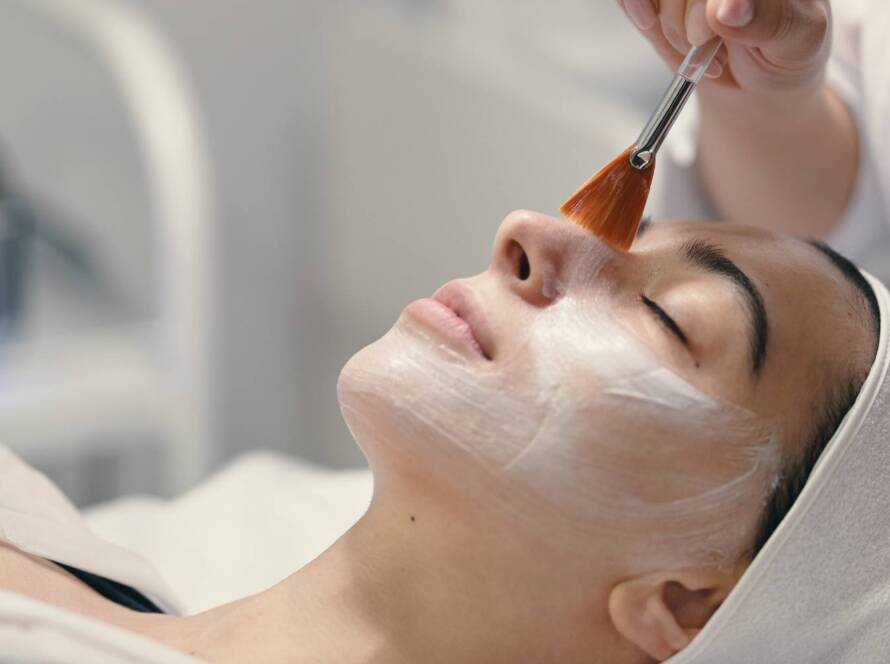
You’ve tried the serums, the cleansers, the miracle masks—yet clear skin still feels out of reach. Breakouts, dullness, and uneven texture don’t just show up overnight, and they won’t disappear that way either. The truth is, real results come from science-backed habits and professional care working together. Here are nine proven strategies to help you finally get the smoother, brighter complexion you deserve in 2026.
How to Get Clear Skin: 9 Habits and Treatments That Actually Work
Why ‘clear skin’ means more than just no acne
Ask ten people what clear skin means and you’ll get ten different answers. For some it’s zero breakouts. For others, it’s the absence of dark spots, rough patches, or that dull, tired look skin gets when it’s overdue for attention. Clear skin is really a combination of three things: minimal acne, smooth texture, and an even, bright tone. Chase only one of those and you’ll likely still feel unsatisfied even after the pimples clear up.
That’s why this list doesn’t stop at “wash your face and avoid greasy food.” It covers the full picture: building a routine that actually holds up daily, eating and hydrating in ways that support your skin from the inside, protecting against UV damage, sleeping enough, and managing stress. It also gets into when home care hits its ceiling and professional treatment becomes worth the investment. Each piece plays a role. Skip one, and it usually shows up in the mirror eventually.
Texture and dullness get less attention than acne, but they’re just as common a complaint. Rough patches, enlarged pores, and flat, lifeless-looking skin often trace back to a buildup of dead cells or sun damage accumulated over years, not months. Understanding that distinction matters, because acne, texture, and dullness each respond to different fixes. Someone dealing with dullness might get more mileage out of a session or two of dermaplaning or a light chemical peel than from another new cleanser. Keep that in mind as you work through the rest of this guide.
1. Build a Simple, Consistent Cleansing Routine
Picking the right cleanser for your skin type
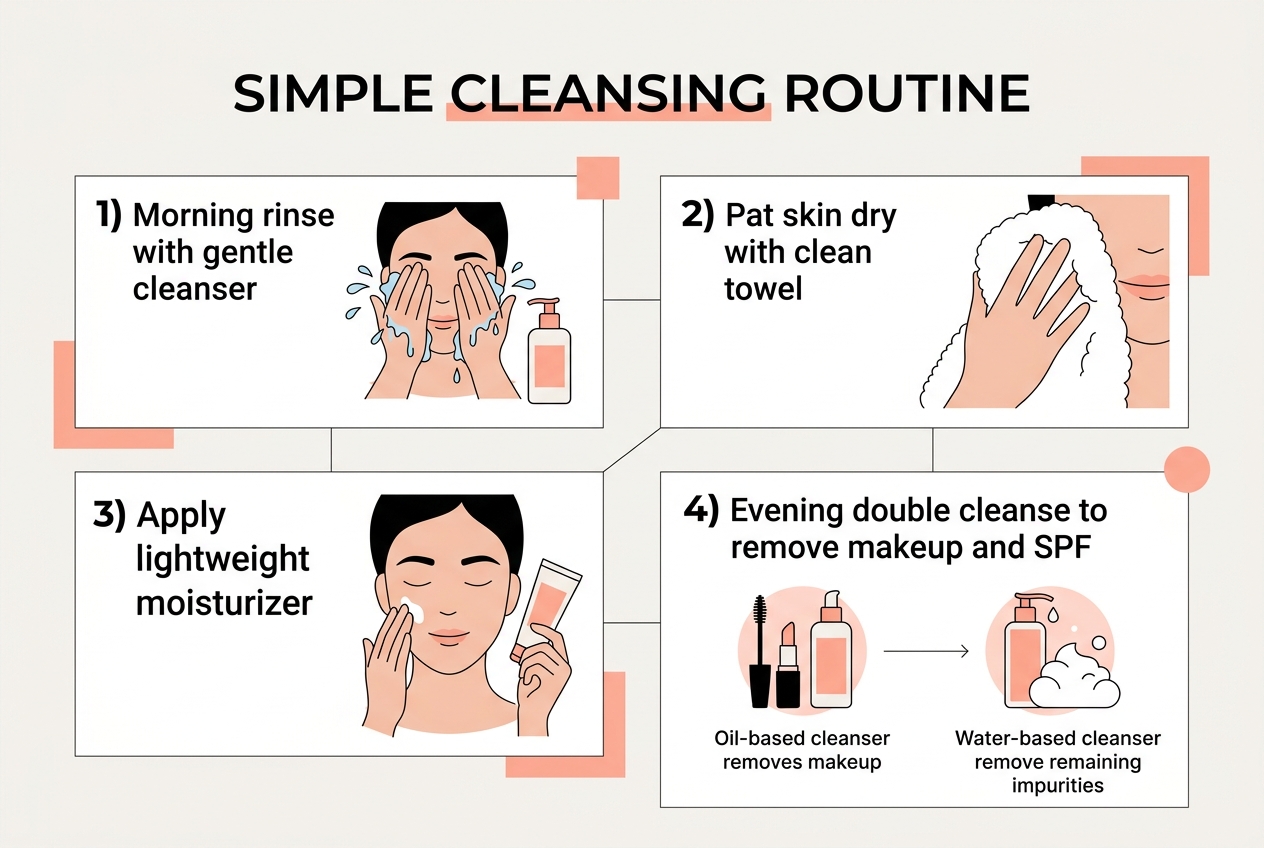
Cleansing sounds too basic to matter. It’s actually where most skin routines quietly fall apart. Wash your face twice a day — once in the morning, once before bed — and nothing more. The goal is to lift off sweat, oil, and grime without wrecking your skin barrier, that thin protective layer keeping moisture in and irritants out. Strip it too often and your skin fights back with more oil, not less.
Your cleanser choice should match your skin type, not whatever’s on sale. Oily and acne-prone skin generally does better with a gel cleanser, since it cuts through excess sebum without leaving residue behind. Dry or mature skin usually needs a cream or lotion-based formula that cleans while adding back moisture. Sensitive or reactive skin often tolerates micellar water best, since it lifts away impurities with tiny oil molecules instead of harsh surfactants. Not sure which camp you fall into? A regenerative assessment during a consultation can help pinpoint what your skin actually needs before you spend money guessing.
Over-washing is the quiet saboteur here. Scrubbing three or four times a day, or using hot water and a rough washcloth, triggers rebound oil production and leaves skin red and tight. That’s counterproductive. Twice daily, lukewarm water, gentle hands — that’s the whole formula, and it works.
2. Hydrate and Exfoliate the Right Way
Here’s a myth that needs to die: oily skin doesn’t need moisturizer. Skip it, and your skin often overcompensates by pumping out even more sebum, which just feeds breakouts. Hydration and oil control aren’t opposites — they work together. The trick is choosing lightweight, non-comedogenic formulas instead of heavy creams, so you calm the skin without clogging pores.
Exfoliation follows the same logic: less is more. Scrubbing with harsh, gritty beads can create tiny tears in the skin barrier, which leads to irritation and, ironically, more breakouts. A gentler chemical exfoliant used once or twice a week does the same job — clearing dead skin cells — without the trauma. Unsure which route fits your skin type? A does saltwater help with acne discussion is a good example of the kind of home remedy that sounds gentle but can actually dry skin out.
Chemical vs. physical exfoliation compared
The table below breaks down the most common exfoliation methods, so you can see where each one fits.
| Method | How It Works | Best For | Frequency |
|---|---|---|---|
| AHA (glycolic, lactic acid) | Dissolves bonds between dead skin cells on the surface | Dry, sun-damaged, or dull skin | 1-2x weekly |
| BHA (salicylic acid) | Penetrates oil to clear inside the pore | Oily, acne-prone skin | 1-2x weekly |
| Physical scrubs | Manual buffing with granules | Rarely recommended for active acne | Occasional, if at all |
| Enzyme exfoliants | Fruit-derived enzymes break down surface buildup gently | Sensitive or reactive skin | 1-2x weekly |
| Microdermabrasion | Professional-grade mechanical exfoliation with a handheld device | Uneven texture, dullness | Every 3-4 weeks, in-office |
Once you’ve exfoliated, layering matters. Apply a humectant like hyaluronic acid to damp skin first — it pulls moisture into the surface. Follow with a moisturizer to seal it in, or that hydration just evaporates. Understanding this connection between skin barrier health and breakouts, something explored well in pieces on Clear Skin, Clear Mind, helps explain why stripped, over-exfoliated skin often looks worse, not better, over time.
3. Protect Skin From Sun Damage Every Day
Sun damage is sneaky. You don’t need a beach day to get it — a walk to the PATH station in January still exposes you to UV rays that trigger dark spots, uneven tone, and fine lines over time. UVA rays punch through clouds and windows year-round. That’s why dermatologists keep saying the same thing: daily SPF 30+ is the single highest-impact habit for a clearer, more even complexion. It won’t fix existing acne scars overnight, but it stops new discoloration from forming while your other treatments do their work.
Product choice matters less than people think. A basic drugstore lotion like Clean & Clear® works fine if you actually use it correctly and reapply. Most people apply sunscreen once and call it done — that’s the real failure point, not the formula. If you’re outside for a few hours, you need to reapply every two hours, full stop.
Sun damage also undoes progress from chemical peels and microchanneling, since fresh skin is more UV-sensitive. Unsure what your skin can tolerate right now? A quick virtual skin consultation can point you toward the right SPF and routine before damage sets in.
4. Eat and Drink for Skin Health
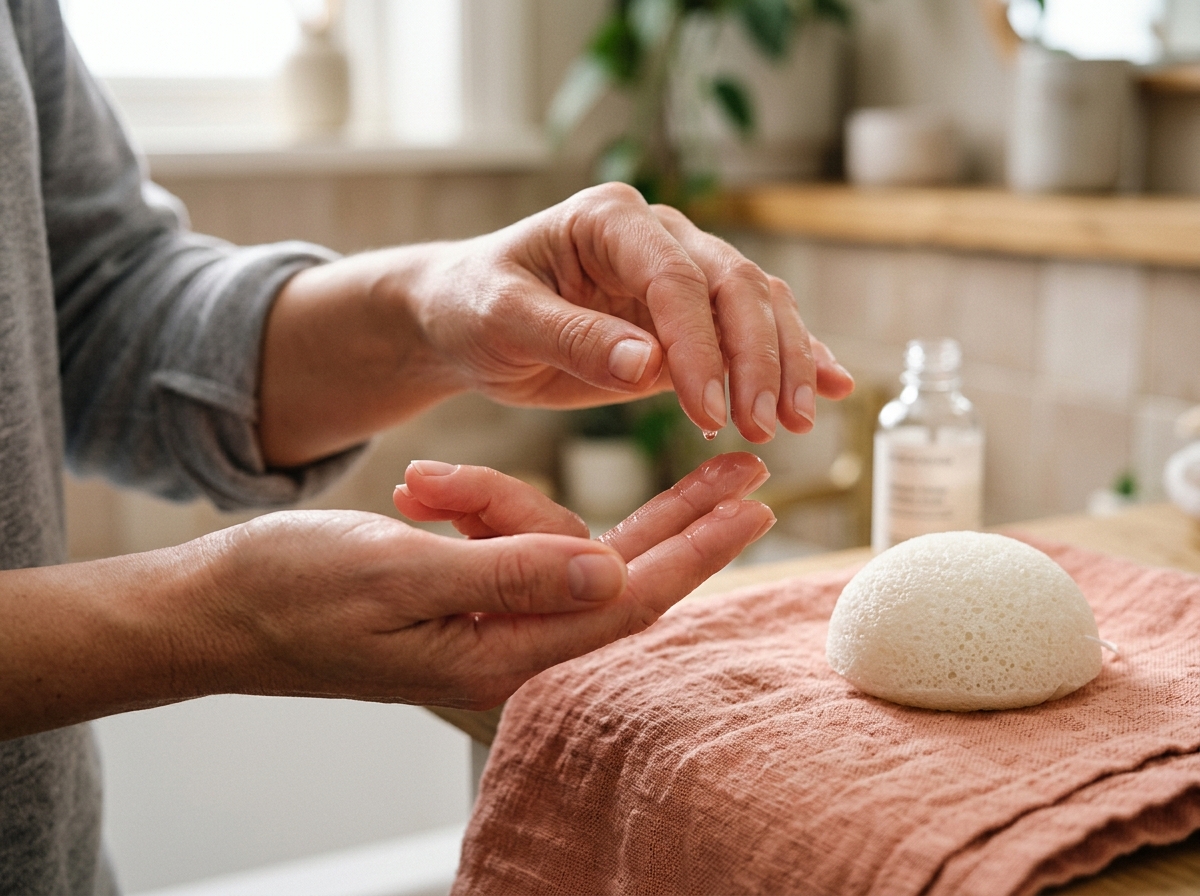
Skin care isn’t just what you put on your face. It’s also what ends up on your plate. Water matters more than most people admit: staying hydrated throughout the day keeps skin plumper and helps it look clearer, since dehydrated skin tends to look dull and emphasizes fine lines. Aim for steady sips, not one big glass before bed.
Foods that tend to help
Some foods genuinely support skin from the inside. Prioritizing vegetables, antioxidants, and good fats like omega-3s gives skin the raw material it needs to repair itself and calm inflammation. Dealing with new breakouts as a teen and don’t know where to start? Learning some tips for better skin without pricey products is a smart, low-cost first step before spending money on anything else.
- Leafy greens like spinach and kale deliver vitamins A and C, both linked to healthier skin repair.
- Fatty fish such as salmon and sardines supply omega-3s that help calm redness and irritation.
- Berries, tomatoes, and citrus bring antioxidants that fight the everyday oxidative stress skin deals with.
- Nuts and seeds like walnuts and flaxseed add plant-based fats that support skin’s moisture barrier.
- Green tea offers polyphenols some studies tie to lower breakout activity over time.
Foods that tend to trigger breakouts
Now the less fun part. Limiting fast sugars, ultra-processed snacks, and alcohol matters because these can spike inflammation and trigger breakouts in people already prone to them. Soda, white bread, fried takeout, sugary cereal — you know the list. Alcohol dehydrates skin and disrupts sleep, which makes everything else harder to fix. None of this means perfection. It means noticing patterns and adjusting where you can, while professional options like facials or chemical peels handle what diet alone can’t.
5. Prioritize Sleep and Stress Management
Your skin does its real repair work while you’re asleep. Blood flow to skin increases overnight, collagen production ramps up, and cells that got damaged during the day start rebuilding. Skimp on sleep and you’ll see it fast: dull tone, puffier eyes, breakouts that heal slower than usual. Sleep isn’t optional for clear skin — it’s basically free maintenance you’re throwing away. Aim for seven to nine hours, and keep it consistent. Going to bed at 11 one night and 2 a.m. the next confuses your body’s repair cycle more than people realize.
Stress is the other half of this equation. When cortisol spikes, oil glands go into overdrive, inflammation rises, and existing acne gets angrier. It’s not in your head, it’s chemistry. Building calmer habits, whether that’s a short meditation, a walk, or even a quiet stretch of reading, gives your skin less to fight against; you can also find practical tips on how to have clear skin every day that reinforce these basics.
Small wind-down habits add up: a fixed bedtime, a silk pillowcase to cut friction and moisture loss, screens off an hour before lights out. Pair that with in-office care, since dermatologists often note that do facials help with acne concerns tied to stress and buildup, and you’ve covered both the internal and external sides of the problem.
6. Avoid Everyday Habits That Sabotage Clear Skin
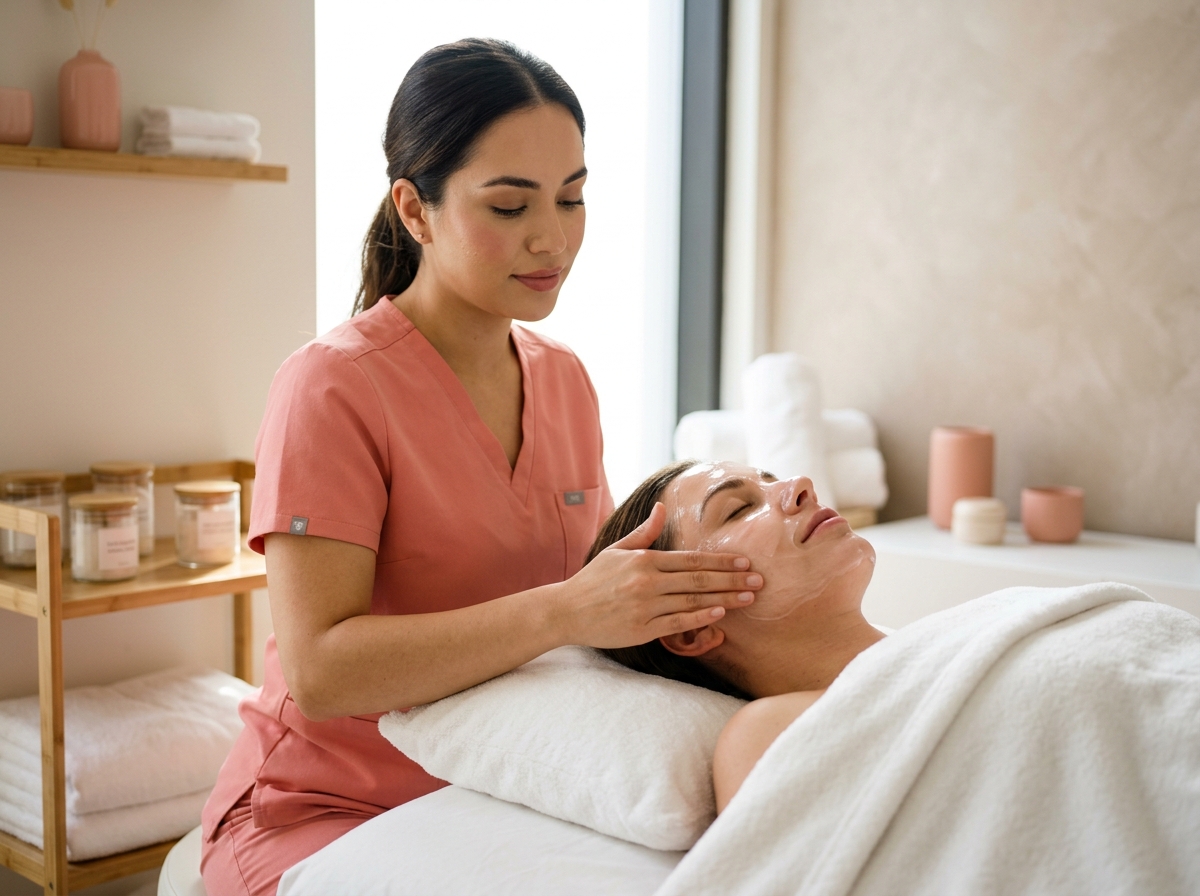
Sometimes the biggest threat to your skin isn’t a missing product. It’s a habit you barely notice. Small daily choices add up fast, and a few common ones quietly undo whatever good your routine is doing. The fix usually costs nothing — just a little more awareness.
- Product overload: stacking retinol, vitamin C, exfoliating acids, and benzoyl peroxide in the same routine overwhelms the skin barrier and often triggers redness, peeling, and new breakouts within days.
- Sleeping in makeup: leaving foundation and SPF on overnight traps oil and debris in pores, which speeds up fine lines and dullness over time.
- Picking and touching: popping a pimple or resting your chin on your hand spreads bacteria and pushes inflammation deeper, which is exactly how surface pimples turn into lasting scars.
- Skipping patch tests: applying a brand-new serum or peel straight to your whole face means you find out about a reaction the hard way.
- Over-cleansing after breakouts: scrubbing harder to “fix” acne strips natural oils and makes irritation worse, not better.
Unsure whether a habit or product is actually helping? A quick search through How to Get Clear Skin options can offer a useful baseline before you buy anything new. And if breakouts keep showing up along the jawline or chest, it’s worth learning whether body acne needs a different approach than facial acne, since body skin behaves differently and reacts to friction, sweat, and fabric in ways your face doesn’t. None of this requires perfection. It just requires catching the habits that quietly work against you.
7. Know When At-Home Care Isn’t Enough — Professional Treatment Options
Serums and cleansers can only do so much. If you’ve been consistent for months and still see breakouts, dullness, or fine lines holding steady, that’s your sign. Persistent acne, deep texture, or aging concerns often live below the surface, in layers a topical product simply can’t reach. That’s where in-office treatments come in.
What each treatment targets
Facials handle surface-level buildup and hydration. Chemical peels go deeper, resurfacing skin to fade acne scarring and even out tone — and if you’re curious how strength and downtime vary, it helps to review what chemical peels actually involve before booking one. Microchanneling and microneedling both trigger collagen production for firmer, smoother skin. Each targets a slightly different problem, so matching the tool to your concern matters more than picking the trendiest one.
| Treatment | Best for | Typical downtime | Sessions often needed |
|---|---|---|---|
| Classic facial | Dullness, mild congestion | None | Monthly maintenance |
| Chemical peel | Acne scarring, uneven tone | 1–5 days | 3–6 |
| Microneedling | Texture, fine lines | 1–3 days | 3–4 |
| Microchanneling | Scarring, pigmentation | 1–2 days | 3–5 |
| Microdermabrasion | Surface texture, mild dullness | None | 4–6 |
Notice there’s no one-size answer here. A good provider builds a personalized plan around your skin type, how much downtime you can tolerate, and what your budget actually allows — not just what’s trending on social media. Someone with sensitive, acne-prone skin needs a very different protocol than someone chasing fine lines. Lasting results come from matching treatment to skin, not skin to treatment.
And no, you don’t need a prescription pad to get there. Plenty of people manage real, lasting improvement without ever touching oral medication, relying instead on consistent professional care and smarter habits at home. For a reality check on quick fixes, it’s worth watching how I cleared my skin in a week with $0 before assuming overnight results are realistic. They rarely are. Progress here is measured in weeks, not days.
8. Consider Additional Treatments for Related Skin and Body Concerns
Clear skin doesn’t exist in isolation. Once your complexion starts cooperating, you may notice other things bugging you: a stray growth on your neck, patchy body hair, thinning strands at your part. Good news — most of these have quick, low-drama fixes that don’t require a dermatologist referral or weeks of downtime.
- Skin tag removal handles those small, harmless growths in a single in-office visit, usually with no scarring and minimal discomfort afterward.
- Waxing smooths skin on the legs, underarms, and bikini line for weeks at a time, without the daily razor irritation of shaving.
- Hair restoration treatments, such as scalp microchanneling paired with growth factor serums, aim to support thicker, healthier-looking hair for people noticing thinning at the crown or hairline.
- Lash extensions and lifts add length and curl without daily mascara, and researching the difference between lash lifts and strip lashes helps you pick what actually suits your lifestyle.
- Body contouring addresses stubborn areas that don’t respond to diet or exercise, giving your silhouette a bit more definition.
None of these replace a solid skincare routine. Think of them as finishing touches. Building one at home? Browsing dermatologist-recommended products can round things out between professional visits. Mix and match based on what actually bothers you — there’s no prize for doing all nine.
9. Choose the Right Skin Care Clinic or Esthetician for Your Goals
Questions to ask before booking a consultation.
Start with this one: will you actually build me a plan, or hand me the same facial you give everyone? Personalized treatment plans matter more than any single product on the shelf. Skin type, age, downtime, budget — all of it should shape what’s recommended. If a provider skips straight to selling you a package before asking questions, that’s a red flag, not a good deal. A team that reads a bit about its own about page’s philosophy on customized care is usually one that treats each face as its own case, not a template.
Next, ask specifically about acne experience — not general facial experience. Those are different skills. Someone comfortable with hormonal breakouts, cystic acne, or post-inflammatory marks should be able to explain their approach in plain terms: extractions, chemical peels, microchanneling, LED, or a mix. Vague answers usually mean thin experience. Ask what percentage of their clients come in for acne specifically. It’s a fair question, and a confident provider will have a real number.
Convenient locations and easy booking (phone or email) make consistent visits realistic.
Results depend on consistency, not just skill. A brilliant esthetician forty-five minutes away, with a two-week wait for a callback, won’t help if you skip appointments. Look for a provider that makes booking painless — a direct phone line, a quick email reply, maybe even a virtual consultation to sort out goals before you set foot in the door. That kind of accessibility keeps you on schedule during the months treatment actually needs to work.
Location flexibility helps too, especially with a busy week. Many local businesses across New Jersey now offer multiple sites, so you can book whichever one fits your day — Hoboken before work, Englewood on a lunch break, West Caldwell on a Saturday. That flexibility is often the quiet reason people stick with a plan long enough to see real change.
Clear skin usually comes from stacking a few unglamorous habits rather than chasing one miracle product: gentle cleansing twice a day, the right exfoliant used sparingly, daily SPF, decent sleep, and hands off your face. Give any new routine several weeks before you judge it. If breakouts, dark marks, or rough texture are still hanging on after a few consistent months, that is the point where professional treatments such as facials, chemical peels, or microchanneling are worth a conversation, and deep or painful cystic acne belongs with a dermatologist.