Standing in front of the mirror, picking at the same stubborn blackheads across your nose and chin, gets old fast. DIY tools and drugstore strips rarely fix the problem—and often make it worse. If you’ve searched “blackhead removal near me” hoping to find something that actually works, you’ve probably hit a wall of spas and clinics with no clear way to tell who’s actually qualified. This guide clears that up. You’ll get a solid framework for spotting skilled estheticians, understanding what a professional extraction facial should include, and knowing what to expect from consultation to aftercare in 2026.
Blackhead Removal Near Me: What to Know Before You Book
Why Professional Extractions Beat At-Home Methods
Local searches for extraction services spike after big life events—prom season, summer weddings, the post-holiday skincare reset in January. People spot clogged pores in photos or bright lighting and want a fast, safe fix. That urgency drives thousands of monthly searches for nearby clinics that actually deliver.
Professional extractions use sterile tools, magnification, and trained hands to clear pores without damaging skin. At-home squeezing usually pushes debris deeper, causing redness, scarring, or infection. A trained esthetician pairs extractions with steam or enzymes to loosen buildup first, which makes the whole process gentler and more effective.
Many local businesses now combine extractions with services like microdermabrasion or oxygen spray to calm skin afterward. This layered approach is why results last longer than anything you’ll get from a drugstore pore strip.
What Qualifies as a Legitimate Skin Care Clinic
A legitimate clinic employs licensed estheticians and follows strict sanitation rules. Tools get sterilized between clients, and staff should ask about your skin history before touching your face. Certifications posted on-site or online are a good sign you’re in trained hands.
Reputable providers also offer a range of services beyond facials—chemical peels, hair removal, dermaplaning—showing they know skincare broadly, not just one trick. Checking a clinic’s blog can tell you whether they actually educate clients or just push upsells.
Signs You’re Overdue for an Extraction Facial
Visible blackheads across the nose, chin, or forehead are the clearest sign. Rough texture, enlarged pores, or makeup that won’t sit smoothly also point to buildup under the surface.
If it’s been over eight weeks since your last facial extraction, your pores have probably picked up enough new debris to deal with soon.
Understanding Blackheads and Why They Form
The Science Behind Clogged Pores
Every pore holds a hair follicle and an oil gland. That gland makes sebum, a waxy substance that keeps skin soft. When sebum mixes with dead skin cells, it can build up inside the pore instead of rising to the surface. That’s how a plug forms. For more on this, see what are blackheads and how to treat them.
Once that plug reaches the surface, it meets air. Oxygen reacts with the trapped sebum and skin cells, and the tip turns dark. That’s oxidation, not dirt. It’s also why scrubbing harder rarely helps and usually just irritates skin.
Pore size, oil production, and how fast skin turns over all affect how quickly this cycle repeats. Some people make more sebum daily, so they get plugs in the same spots again and again—especially the nose and chin.
Blackheads vs Whiteheads vs Sebaceous Filaments
Blackheads form when a pore stays open, letting air reach the trapped oil. Whiteheads form when the pore closes over, sealing everything underneath. That closed environment keeps the plug pale instead of dark.
Sebaceous filaments often get mistaken for blackheads. They’re natural, hair-like structures that line pores and help sebum travel to the surface. They look gray or light tan and come back quickly after extraction, since they’re part of normal pore function—not a clog.
Knowing the difference matters for treatment choice. Some clients wonder whether facials help with acne at all; do facials help with acne covers how professional care handles each type differently.
Lifestyle and Hormonal Triggers
Hormonal shifts during puberty, periods, or pregnancy increase oil production, which raises the odds of clogged pores. Stress can trigger similar hormonal responses, leading to more frequent breakouts around the nose and forehead.
Diet, humidity, and certain makeup products play a role too. Heavy, pore-clogging formulas trap sebum under the skin. Sweat mixed with unwashed skin after a workout adds another layer of buildup—one more reason regular cleansing matters.
What Happens During a Professional Extraction Facial
Skin Analysis and Steaming
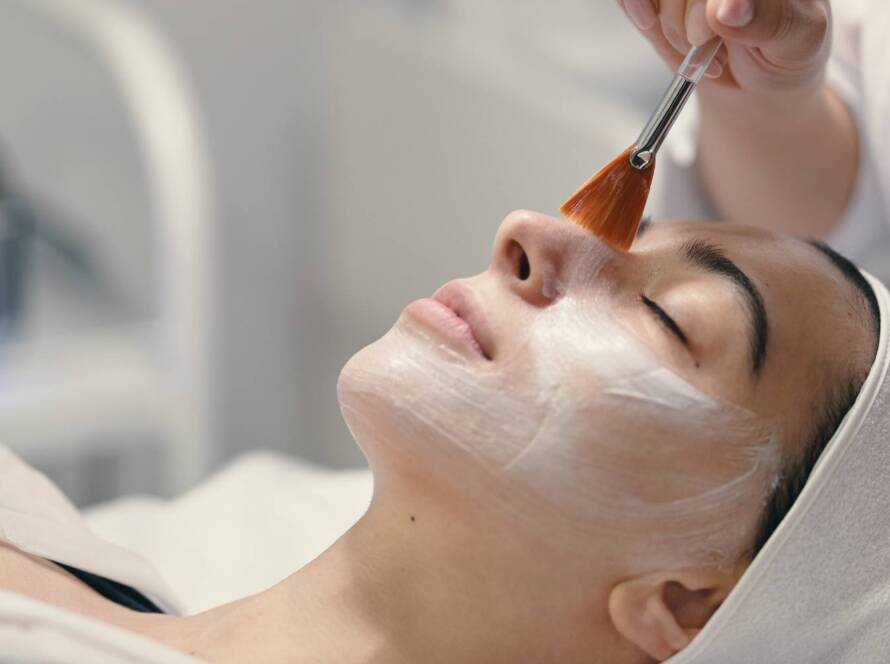
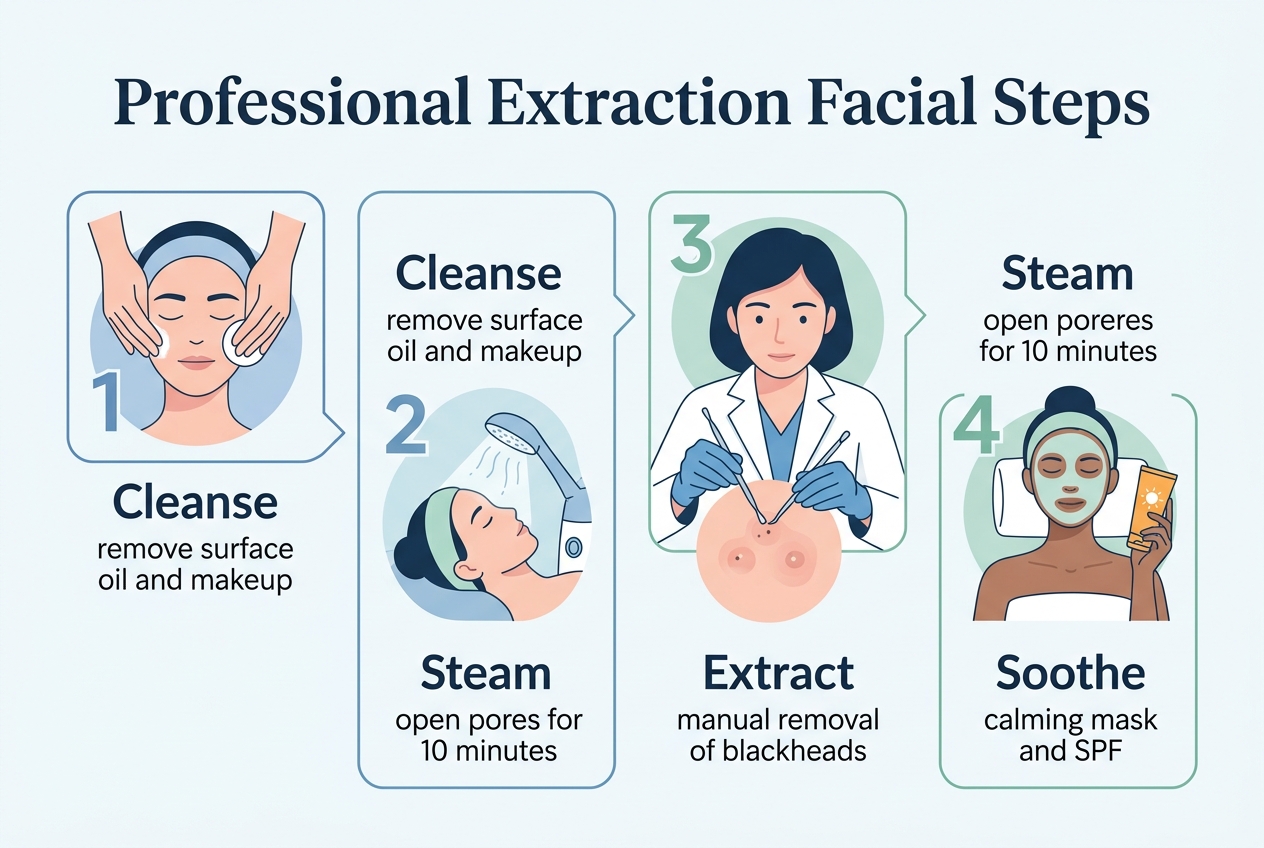
Every session starts with a close look at your skin. An esthetician checks pore congestion, sensitivity, and breakout patterns before touching anything. Warm steam follows for 5 to 10 minutes. This softens the outer layer and loosens hardened debris inside pores, making extraction far less painful.
Manual and Tool-Assisted Extraction Methods
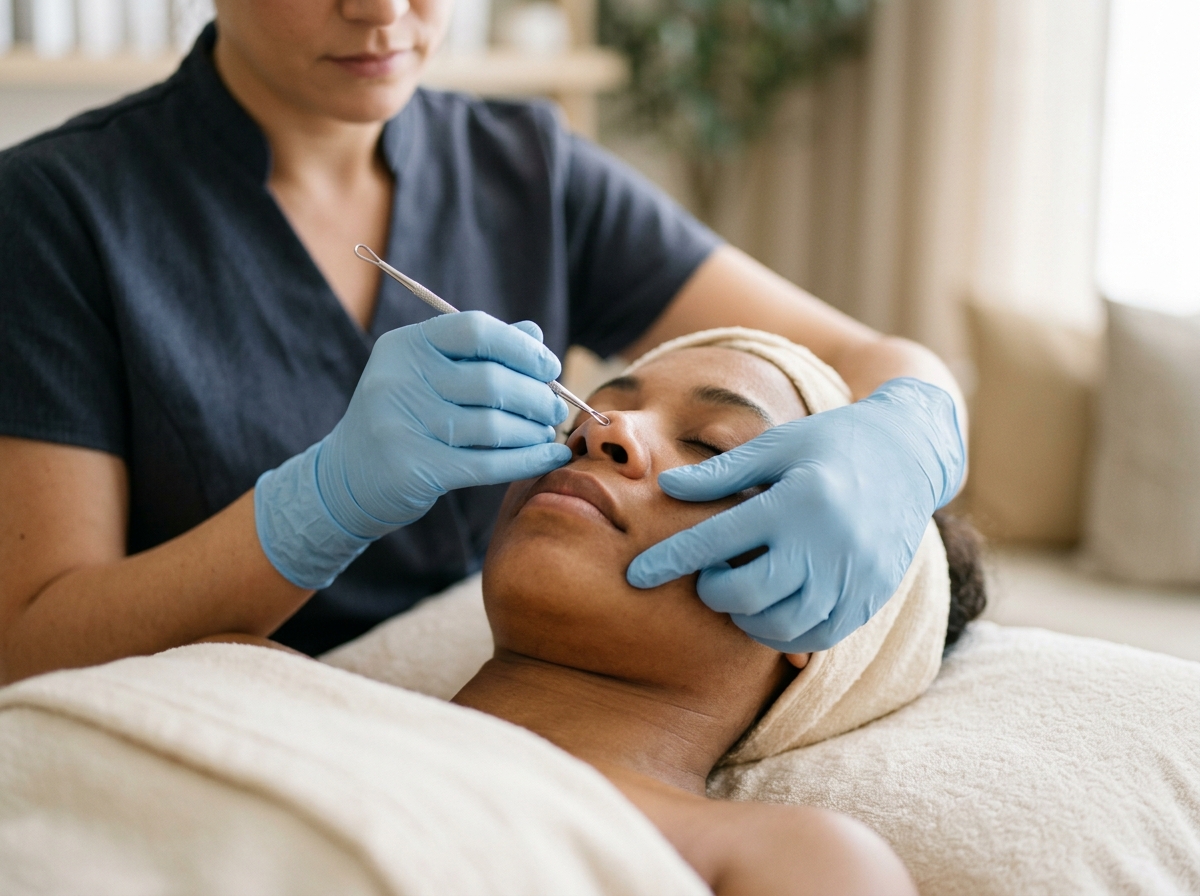
Estheticians use a mix of gloved-finger pressure and metal tools called comedone extractors. Each method suits a different pore type. The table below breaks down a typical appointment step by step.
| Step | What Happens | Typical Duration |
|---|---|---|
| 1. Consultation | Skin type and problem areas assessed | 5 minutes |
| 2. Cleansing | Makeup and surface oil removed | 5 minutes |
| 3. Steaming | Pores softened for easier extraction | 10 minutes |
| 4. Extraction | Manual pressure or tool-assisted removal | 15-20 minutes |
| 5. Calming Mask | Redness and inflammation reduced | 10 minutes |
Firm, controlled pressure prevents bruising and scarring. Many people researching options browse the TOP 10 BEST Blackhead Extraction in Manhattan, NY to compare local extraction styles before booking.
Calming and Protecting the Skin Post-Extraction
After extractions, skin looks pink and feels tender. A good provider applies a soothing mask, often with antioxidants or oxygen spray, to calm the inflammation. Sunscreen goes on right after. Reading up on proper facial aftercare helps skin heal faster and stay clear longer.
Types of Facials That Target Blackheads
Deep Cleansing and Classic Extraction Facials
A classic extraction facial is the most common starting point for congested pores. It combines steam, cleansing, and manual pressure to loosen debris. This is the service to ask for if you have mild to moderate blackheads and want something straightforward with little downtime. Many clinics list this under Facials with Extractions on their menus.
Chemical Peels and Microdermabrasion
For deeper or recurring congestion, exfoliating treatments help loosen buildup before extraction even starts. Consider these options when booking:
- A chemical peel uses acids like salicylic or glycolic to dissolve oil trapped inside pores.
- Microdermabrasion physically buffs away dead skin, making blackheads easier to lift.
- An oxygen spray finish calms irritation and reduces redness after either treatment.
- Combining a peel with a facial the same visit is common for stubborn nose and chin congestion.
Dermaplaning and Nano Needling Options
Some clinics pair blackhead care with texture-focused add-ons. Dermaplaning removes fine hair and surface buildup, so products absorb better afterward. Nano needling can support pore health over time without the intensity of deeper microchanneling. These add-ons work well alongside broader concerns, much like clients research med spa treatments that can get rid of a double chin before booking a full facial plan.
Professional Extractions vs At-Home Tools: A Side-by-Side Comparison
Pore strips, metal extractor tools, and clinical extractions all promise clearer pores. But they differ a lot in safety, cost, and results. The table below breaks down the key differences.
| Method | Average Cost | Scarring Risk | Effectiveness |
|---|---|---|---|
| Pore strips | $6-$12 per box | Low, but can irritate | Removes surface debris only |
| Metal extractor tool | $5-$20 | High if overused | Temporary, uneven results |
| Clinical extraction facial | $75-$150 per session | Low, done by trained esthetician | Deep, lasting clearance |
| Chemical peel add-on | $100-$250 | Very low when supervised | Prevents future buildup |
Cost and Convenience Trade-Offs
DIY tools are cheap and quick. A professional session costs more, but you get steaming, sanitized tools, and follow-up guidance included. Many local businesses now bundle extractions with peels for better value.
Risk of Scarring and Skin Damage
Untrained pressure with metal tools often leads to bruising, broken capillaries, or infection. Some people also look into can you do microneedling at home tools, but pushing skin past its limit without training raises scarring risk a lot.
Long-Term Results Comparison
Strips and tools give short-term relief at best. Clinical extractions, especially paired with regular facials, deliver steadier pore clarity. Checking out options like Buttercup Skincare: Facial Spa & Blackhead Removal … – NYC shows how consistent professional care beats occasional home fixes over time.
How to Choose the Right Skin Care Clinic Near You
Checking Credentials and Reviews
Not every spa offers the same quality of care. Licensed estheticians have completed formal training in skin anatomy and safe extraction techniques. Check state licensing boards, read recent reviews, and look at before-and-after photos. A provider with steady five-star feedback over several years is a safer bet than one with just a handful of ratings.
Evaluating Products and Hygiene Standards
Clean tools and quality products matter just as much as technique. Ask whether the clinic sterilizes instruments between clients and uses medical-grade extraction tools instead of at-home kits. Proper Extractions require sanitized equipment to prevent scarring or infection. Also ask how the team advises clients on how often should you exfoliate your skin between visits, since over-exfoliating can undo progress fast.
Questions to Ask During a Consultation
Many local businesses offer free consultations. Use that time well with these questions:
- Ask if the esthetician holds a current state license and specialized extraction training.
- Ask how many years of experience the provider has with acne-prone or congested skin types.
- Ask what steam, enzyme, or oxygen spray methods they use to soften pores before extractions.
- Ask how they handle sensitive or reactive skin during and after the session.
- Ask what aftercare products or routines they recommend once you leave.
Clear, confident answers signal a trustworthy, well-run practice worth your time and money.
How to Prepare for Your Appointment
Skincare Steps in the 48 Hours Before
Two days before your session, keep your routine simple. Cleanse gently, moisturize well, and skip harsh scrubs. Well-hydrated skin lets an esthetician see pores clearly and work more comfortably during extractions. If you’re following seasonal advice like these summer skincare tips, keep sun exposure minimal in the days leading up.
Drink plenty of water and skip alcohol the night before. Hydration supports skin elasticity, which makes extraction smoother and reduces redness afterward. A calm, balanced complexion always responds better to treatment.
Products and Treatments to Avoid
Stop using retinoids, exfoliating acids, and benzoyl peroxide at least three days beforehand. These ingredients thin the skin barrier and increase sensitivity during extractions. Skip waxing, dermaplaning, or microdermabrasion in that same window too—freshly treated skin irritates more easily.
Skip tanning beds and sun exposure for 48 hours. Sunburned or tanned skin bruises easily and heals slower after facial work. If you’re unsure whether a product is safe to use, ask beforehand instead of guessing.
Communicating Your Skin History and Goals
Share your skincare history openly, including current medications, recent chemical peels, or allergies. This helps your esthetician adjust pressure and technique for your comfort. Many providers, including specialists noted in Extraction in St. Louis | West County Plastic Surgeons, stress this step for safe results.
Mention specific goals too, whether that’s clearer pores, fewer breakouts, or smoother texture. Clear communication helps your provider tailor the session.
Aftercare and Maintaining Clear Pores Long-Term
Building a Post-Extraction Skincare Routine
Skin needs gentle care for the first 24 to 48 hours after extractions. Pores are open and slightly inflamed, so avoid harsh actives like retinol or strong acids during this window. Stick to a mild cleanser, a lightweight moisturizer, and broad-spectrum sunscreen every morning.
Many estheticians recommend cool compresses if redness lingers, plus a soothing serum with niacinamide or centella asiatica. Skip makeup for the rest of the day if you can. This lets skin breathe and lowers the risk of new congestion forming right after the session.
Recommended Treatment Frequency
Most clients see the best long-term results with a facial every four to six weeks. This matches skin’s natural renewal cycle, which runs about 28 days. Consistent sessions keep buildup from turning into deep, stubborn blackheads.
Those with oilier or acne-prone skin may benefit from more frequent visits, sometimes every three weeks. Checking options like Blackhead Removal & Extraction San Diego can help clarify how often your specific skin type needs treatment for lasting clarity.
Ingredients That Prevent Future Congestion
Home products play a big role between appointments. Salicylic acid, a beta hydroxy acid, gets into oil and keeps pores clear. Retinoids speed up cell turnover, cutting the chance of trapped debris. Non-comedogenic moisturizers matter too, since heavy oils can undo professional work fast.
Many local businesses also suggest exploring gentler options, including treatments that dont require a knife for maintaining smooth texture without irritation. Smart products plus routine care build skin that stays clear far longer.
Common Questions About Blackhead Removal Treatments
Does It Hurt and Is There Downtime
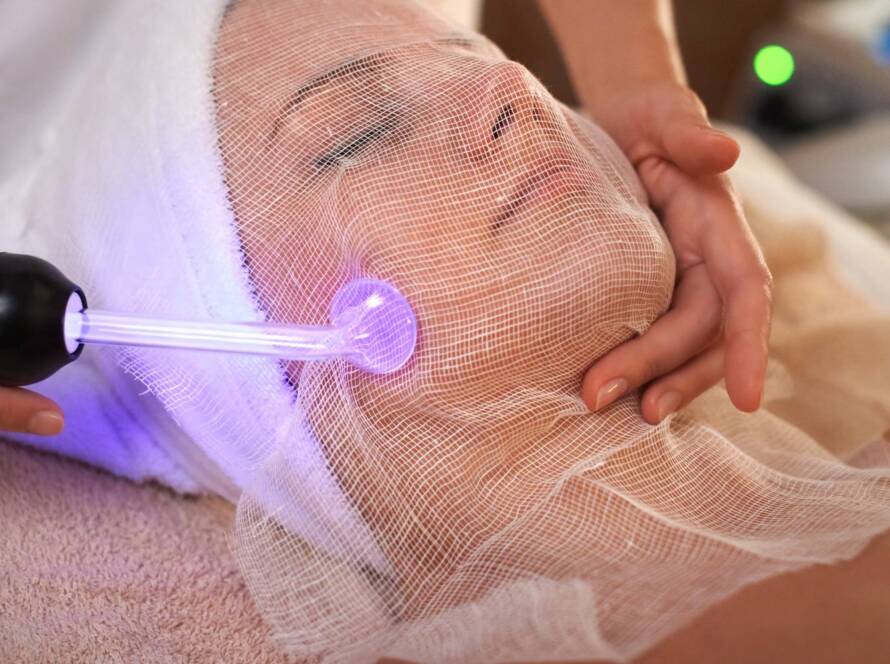
Most clients feel mild pressure or a quick pinch during extractions. It’s rarely described as painful. Redness may last a few hours, sometimes up to a day. There is no real downtime for most people, so you can go right back to your day after the session. Some clinics pair extractions with high frequency treatments to calm skin faster. Curious how that works? This guide explains what does high frequency do for skin after extraction work.
One persistent myth: extractions stretch or enlarge pores permanently. Not true. Pores may look bigger for a bit due to swelling, but they return to normal size within hours. Proper technique from a trained esthetician actually protects pore structure.
How Much Do Extraction Facials Typically Cost
Pricing varies by region, clinic reputation, and session length. Below is a general cost and frequency snapshot many local businesses follow.
| Service Type | Average Cost | Session Length | Recommended Frequency |
|---|---|---|---|
| Basic Extraction Facial | $65–$95 | 30–45 min | Every 4 weeks |
| Deep Pore Facial with Steam | $90–$130 | 45–60 min | Every 3–4 weeks |
| Extractions + Chemical Peel | $120–$180 | 60 min | Every 4–6 weeks |
| Extractions + Microdermabrasion | $110–$160 | 50–60 min | Every 4–6 weeks |
Who Should Avoid Extractions
Extractions aren’t right for everyone. Clients with active cystic acne, sunburned skin, rosacea flares, or open wounds should skip this service. Those on strong retinoids or recent isotretinoin treatment need medical clearance first. A trained provider, like the team behind Cleaning & Extractions | Dallas, TX, will always check skin condition before starting.
Real Results: What Clients Notice After Treatment
Immediate Changes After One Session
Most clients see smoother texture right after their first session. Blackheads that once looked dark and raised are gone. Pores look tighter, and skin looks less congested under makeup. Redness is common for a few hours, especially around the nose and chin where extractions went deepest.
Skin often feels calmer within a day. Many people compare the change to a fresh, deep-cleaned feeling they can’t get from home care alone. This differs from other cosmetic services; for context on recovery expectations elsewhere, some clients research what not to do after botox when comparing downtime across treatments.
Timeline for Long-Term Clarity
Clear pores don’t happen overnight. Most estheticians recommend a six to eight week cycle between sessions, matching skin’s natural renewal rate. Noticeable improvement in overall clarity usually shows up after two to three treatments.
By the third month, many clients report fewer new blackheads and easier upkeep between visits. Oil production slows, pores stay tighter, and breakouts happen less often with consistent care.
When to Schedule Follow-Up Visits
Oily or acne-prone skin often needs monthly visits to stay clear. Combination skin may only need a session every eight to ten weeks. A provider can adjust your schedule based on how fast congestion returns.
Anyone with stubborn or recurring blackheads should consider pairing extractions with chemical peels or microdermabrasion for faster, longer-lasting clarity.
Clearing blackheads is less about one dramatic session and more about a steady rhythm: professional extractions every few weeks, a simple home routine with salicylic acid and non-comedogenic products, and hands off in between. When you choose a provider, ask about their license, how they sterilize tools, and how they soften pores before extracting. And if what you are dealing with is painful, deep, or cystic rather than a clogged pore, skip extractions for now and have it evaluated first.