That small flap of skin catching on your necklace or razor might seem harmless, but the uncertainty of whether to treat it yourself or seek professional care often leaves people stuck for months, sometimes years, before taking action. Skin tag removal at dermatologist offices has become the gold standard for safe, precise treatment. It offers methods that minimize scarring and address the root of the growth rather than a temporary fix. This guide breaks down exactly what to expect, from diagnosis through aftercare, so you can make an informed decision with confidence.
Understanding Skin Tags Before You Book an Appointment
What Skin Tags Are Made Of
A skin tag, known medically as an acrochordon, is a small flap of tissue that hangs off the skin by a thin stalk. It forms from collagen fibers, blood vessels, and skin cells that bunch together under the outer layer of skin. Most measure just a few millimeters, though some grow larger over time.
These growths are almost always benign. That means they aren’t cancerous and won’t turn into cancer. They tend to appear where skin rubs against skin or clothing, such as the neck, armpits, and eyelids. Friction and skin folds seem to encourage their growth.
Skin tags contain soft, loose tissue and no deep root. Because of this, they’re usually simple to remove once a provider examines them. Understanding this basic makeup explains why removal is typically quick and low on discomfort when done by a trained professional in a clinical setting.
How They Differ From Other Skin Growths
Skin tags are often confused with moles or warts, but each has a distinct structure. Moles form from clusters of pigment cells called melanocytes and sit flush with the skin. Warts result from a viral infection, HPV, and have a rough, textured surface. Skin tags, by contrast, dangle from a narrow stalk and share the same color as surrounding skin.
Other bumps, like clogged pores, sometimes get mistaken for tags too. If you’re curious about related concerns, this guide on what are blackheads and how to treat them explains how clogged pores differ from tissue growths entirely.
A dermatologist can quickly tell these apart during an exam, and that matters because treatment methods vary. Some clinics also offer complementary services, like lash lifts, for clients addressing multiple cosmetic concerns during one visit.
Who Gets Skin Tags and Where They Commonly Appear
Common Risk Factors
Skin tags form more often in certain people. Risk increases with age, especially after 40. Extra weight, repeated friction, and family history also play a role. Knowing these patterns helps you know what to expect and when a professional skin tag removal session might be worth scheduling.
- Age over 40, since skin loses elasticity and collagen support over time.
- Being overweight or having diabetes, which affects skin folds and blood sugar regulation.
- Constant friction from jewelry, clothing seams, or skin rubbing against skin.
- Genetics, since tags often run in families across generations.
- Pregnancy, due to hormonal shifts and rapid weight changes.
- Insulin resistance, which is linked to higher tag frequency in some studies.
Typical Locations on the Body
Skin tags favor areas with folds or friction. Common spots include the neck, armpits, eyelids, groin, and under the breasts. These zones trap moisture and get rubbed constantly, which creates ideal conditions for growth. Hormonal changes, including those from pregnancy or menopause, can trigger new tags in these same areas. Skin folds remain the most predictable location, which is why many local businesses see repeat visits for the same regions. For a deeper clinical breakdown, see Why See a Dermatologist for Skin Tag Removals.
Signs It’s Time to Consider Professional Removal
Cosmetic and Comfort Reasons
Most skin tags are harmless. Many people choose removal simply because a growth bothers them. A tag on the neckline, eyelid, or underarm can feel embarrassing during photos or close-up conversations. This is a cosmetic reason, not a medical one, and it’s still a valid reason to book an appointment.
Comfort matters too. Tags in areas of constant friction, like under a bra strap or waistband, can rub raw during daily activity. Some clients notice this most after starting a new fitness routine, or during appointments for hair removal, when a tag in the treatment area makes waxing uncomfortable or uneven.
There’s no rule saying a tag must cause problems before removal is reasonable. Wanting smoother skin, or simply feeling more confident, is enough of a reason for many people.
Warning Signs That Need Medical Attention
Some signs move past cosmetics and into medical territory. A tag that bleeds often, becomes irritated, or repeatedly snags on jewelry or clothing seams should be checked. Repeated snagging can tear the tag partially, leading to pain and slow healing. This is a good time for evaluation, not a home remedy.
Rapid changes deserve extra attention. A tag that doubles in size within weeks, changes color, or develops an uneven border needs a professional look. These changes don’t always mean something serious, but they warrant a proper check rather than guessing. A trusted resource on What Happens During Skin Tag Removal? can help set expectations before your visit.
Persistent itching, tenderness, or a growth that looks different from your other tags are also reasons to schedule a consultation soon rather than waiting.
Skin Tag Removal at Dermatologist: What the Process Involves
Initial Skin Assessment
Every visit starts with a close look at the growth. A trained provider checks size, location, and texture before touching anything. This step confirms the growth is truly a skin tag and not a mole or wart that needs different care.
The provider also reviews your skin type, medical history, and any bleeding or irritation you’ve noticed. This assessment guides the entire treatment plan. Someone with several tags on the neck may need a different approach than someone with one tag on the eyelid.
Skincare habits matter too. Providers often ask about your routine, including how often should you exfoliate your skin, since irritated or overly sensitive skin can affect healing time.
Choosing the Right Removal Method
Once the assessment is done, the provider selects a technique suited to the tag’s size and spot. Options include snipping, cauterization, and cryotherapy. Each method balances speed with minimal scarring.
Precision matters most on delicate areas like the eyelids or neck. A dedicated provider uses tools sized for small, controlled removal rather than guesswork. This lowers the risk of nicking healthy skin nearby.
This precision is exactly why professional removal beats DIY methods. Resources like Skin Tag Removal | MinuteClinic® reinforce this point, noting that clinical tools and sterile technique reduce infection risk compared to home kits.
Aftercare Guidance From Your Provider
After the session, providers explain how to clean the area and what signs suggest a problem. Redness for a day or two is normal. Swelling that worsens after 48 hours is not.
Many local businesses also cover product choices, such as gentle cleansers instead of harsh scrubs. Simple aftercare supports faster healing and helps prevent scarring around the treated spot.
Comparing the Main Removal Techniques
Dermatologists choose a removal method based on the size, location, and number of skin tags. Each technique carries its own comfort level and healing timeline. The table below breaks down the four most common approaches, including ligation, so you know what to expect before your visit.
| Technique | How It Works | Discomfort | Downtime |
|---|---|---|---|
| Excision (Snipping) | Sterile scissors or a scalpel cut the tag at its base | Mild pinch; often numbed first | 1-3 days, small scab |
| Cryotherapy (Freezing) | Liquid nitrogen freezes the tissue until it falls off | Brief cold sting | Few days to a week |
| Electrocautery (Burning) | Heated device burns through the tag’s base | Warm, mild sting | Several days, light crusting |
| Ligation | Thread ties off blood supply until tag falls away | Minimal, gradual | Several days to two weeks |
Excision (Snipping)
Excision works fast and suits larger tags well. It leaves a tiny wound that heals within days, though a small mark can linger briefly.
Cryotherapy (Freezing)
This method borrows techniques from broader cryotherapy practices used across skin treatments. It’s gentle, quick, and ideal for smaller clusters.
Electrocautery (Burning)
Electrocautery seals blood vessels as it removes the tag, lowering bleeding risk. For a visual walkthrough, this Removing Skin Tags w/ Dermatologist Dr. Kenneth … video shows the process in real time.

What Happens During Your In-Office Appointment
Knowing what to expect makes the visit feel less stressful. Most appointments follow a predictable pattern, from check-in to aftercare instructions.
Before the Procedure
You’ll fill out a health form and discuss which tags concern you most. The provider examines each spot, confirms it’s a harmless skin tag, and explains the plan. This step matters because some growths need a closer look before treatment, similar to how Skin Tag Removal guidelines recommend confirming a diagnosis first.
During the Treatment
The table below outlines the typical flow once treatment begins.
| Step | What Happens | Approximate Time |
|---|---|---|
| Numbing | Topical or injected anesthetic applied | 2-5 minutes |
| Cleaning | Area disinfected to lower infection risk | 1 minute |
| Removal | Snipping, freezing, or cauterizing the tag | 1-3 minutes per tag |
| Bleeding control | Pressure or cautery applied if needed | 1-2 minutes |
| Bandaging | Small dressing placed over the site | 1 minute |
Immediately After Removal
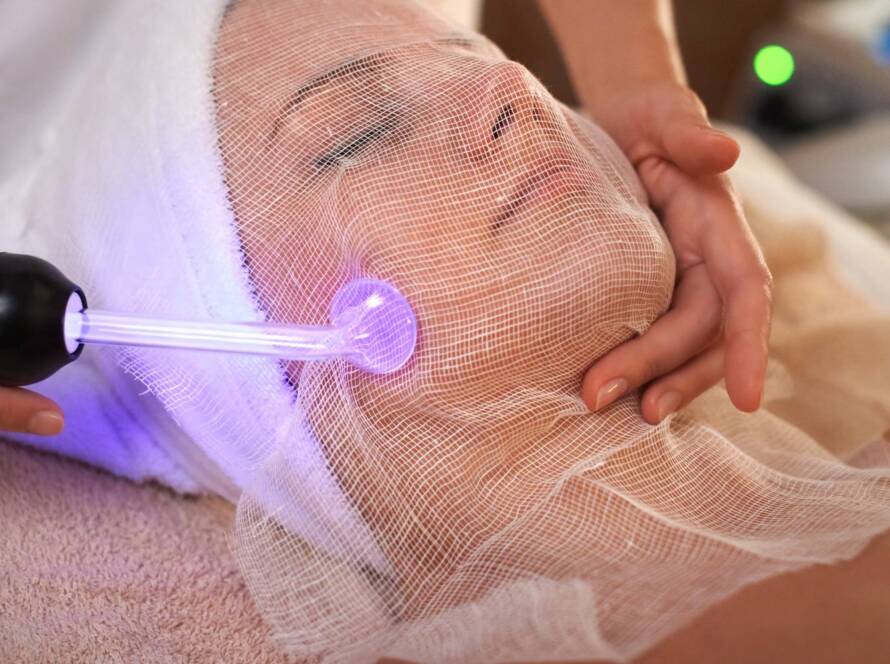
Most patients leave within 30 minutes of arriving. Electrocautery feels warm because it uses heat to seal the site; if you’re curious about other current-based skin tools, see what does high frequency do for skin. Mild redness is normal and fades within a day or two.
Recovery, Results, and Recurrence
Typical Healing Timeline
Healing usually takes three to fourteen days, depending on the method used. Cryotherapy sites may scab and flake off within a week. Cauterized or snipped tags often heal in ten days to two weeks. The treated spot may look pink or slightly raised at first, then fade over several weeks.
Scarring is uncommon when a trained provider handles the removal. Small marks or light discoloration can happen, especially on larger tags or areas with thin skin, like the eyelids or neck. Keeping the area clean and protected from sun exposure lowers this risk significantly.
Most patients return to normal activities the same day. Some clinics recommend avoiding harsh exfoliants, Chemical Peels, or Microdermabrasion near the site for a week or two. This lets skin settle fully before adding other treatments back into a routine.
Will New Skin Tags Develop Later
A properly removed skin tag will not grow back in the same spot. Once the stalk of tissue is cut, frozen, or cauterized away, that specific growth is gone for good. This makes professional removal a lasting solution rather than a temporary fix.
However, new tags can form elsewhere, particularly in areas with friction, skin folds, or repeated rubbing from clothing or jewelry. Genetics, weight changes, and hormonal shifts during pregnancy also play a role. Annual skin checks help catch new growths early, before they multiply or become irritated.
Because tags can sometimes resemble other skin changes, reviewing 5 reasons to see a dermatologist for mole, skin tag removal is worth doing before assuming a new bump is harmless. For related concerns, some clients also ask whether does waxing reduce hair growth near tag-prone areas, since friction from Waxing Treatments can sometimes aggravate sensitive skin.
Why At-Home Removal Kits Carry Real Risks
Common At-Home Methods and Their Dangers
Many people try tying off, cutting, or freezing skin tags at home. These methods feel simple, but they carry real medical risks. Kitchen scissors and dental floss are not sterile tools. Over-the-counter freezing kits are weaker than professional-grade cryotherapy, so results are often incomplete.
- Infection can develop when tools are not properly sterilized before cutting or piercing skin.
- Excessive bleeding may occur, especially if the tag has a larger blood vessel at its base.
- Scarring is common when tissue is torn instead of cleanly removed.
- Incomplete removal often leads to regrowth, meaning the same painful process gets repeated.
- Pain and swelling can be worse than expected without numbing agents used in clinical settings.
When a Growth Needs Professional Diagnosis First
Not every bump is a harmless skin tag. Some moles, warts, or early skin cancers can look similar to the untrained eye. Removing a suspicious growth at home destroys tissue needed for lab testing. A trained provider can examine the growth, and, if needed, refer for biopsy before treatment. This is one reason many local businesses partner with dermatologists rather than offering blind removal. Facilities offering Skin Tag Removal NYC services typically start with a visual check. Clean tools matter elsewhere too; even routine wax services rely on sterile technique to avoid irritation and infection.
Cost, Insurance, and Access to Care
Does Insurance Cover the Procedure
Most insurance plans treat skin tag removal as a cosmetic procedure. That means coverage is usually denied. Insurers typically only pay when a tag causes pain, bleeding, or interferes with vision or clothing. Even then, you may need photos or a doctor’s note proving medical necessity. It helps to call your insurer before booking. Ask directly whether removal is covered under your plan, and get the answer in writing if possible.
Factors That Influence Total Cost
Pricing varies widely between providers and methods. A single small tag may cost far less than a cluster of larger growths.
- The number of tags being removed during one visit, since bulk pricing often applies.
- The removal method chosen, whether cryotherapy, cautery, or surgical snipping.
- The size and location of each tag, especially in sensitive areas like eyelids.
- The provider’s expertise and geographic region, as urban clinics often charge more.
- Whether follow-up care or a second session is needed for full clearance.
To find qualified providers, look for board-certified dermatologists or licensed clinics with strong reviews. A virtual skin consultation can help you estimate cost and confirm whether your case needs in-person evaluation before scheduling.
Related Skin Health Concerns Worth Knowing About
Why Routine Skin Screenings Matter
A visit for a bump or growth is a good time to think about your whole-body skin health. Annual skin cancer screenings catch changes early, when treatment is simplest. The American Academy of Dermatology estimates that one in five Americans will develop skin cancer in their lifetime, making yearly checks a smart habit, not an overreaction.
Many local businesses now pair cosmetic services with basic skin health education, helping patients notice changes between formal exams. A screening usually takes 10 to 20 minutes and covers the scalp, back, and areas patients rarely see themselves. Catching an irregular mole at this stage often means simpler treatment later.
Between appointments, self-checks matter too. Look at moles monthly using a mirror or photos. If you want deeper reading on prevention habits, the blog covers seasonal skin care topics worth reviewing.
When a Mole Needs Further Evaluation
Patients often confuse a soft, stalked skin tag with a dysplastic mole. Skin tags are flesh-colored, painless, and hang from a thin stem. Dysplastic moles are typically flat or slightly raised, with uneven color or irregular borders. Any mole that changes size, shade, or shape within weeks deserves a professional look.
The ABCDE rule helps: asymmetry, border irregularity, color variation, diameter over 6 millimeters, and evolving appearance. A provider can distinguish these features quickly during an exam, often on the same visit as a cosmetic consultation.
Patients also ask about seborrheic keratoses, cherry angiomas, and milia during these visits. Each has a distinct look and cause, and none require removal unless they bother the patient or need clarification for diagnosis.
Preparing for Your Consultation
Questions Worth Asking Beforehand
A good consultation is a two-way conversation. Ask which removal method the provider recommends for your specific growths, and why. Snipping, freezing, and cauterization each carry different healing times and comfort levels. Ask about the number of visits needed, expected downtime, and whether numbing cream will be used.
It also helps to ask about cost per tag, scarring risk, and how they handle sensitive areas like eyelids or the neck. If you’re curious about broader skin concerns, this is a good time to ask whether do facials help with acne alongside your removal plan, since many providers offer combined treatment paths.
Setting Expectations for Your Visit
Bring a list of every tag you want examined, noting size and location. Mention any bleeding, itching, or recent color changes. Skip lotion or makeup near the area, and note current medications, especially blood thinners, since these affect healing.
Expect a quick exam, not a lengthy procedure. Most sessions remove several tags in under 20 minutes. Realistic expectations matter: mild redness or a small scab is normal for a few days. New tags can still form elsewhere later, so occasional follow-up visits remain part of long-term skin care.
A skin tag is almost always harmless, so the real decision is less about urgency and more about getting the right diagnosis first. Any growth that bleeds, changes color, grows quickly, or looks different from your other tags should be examined by a dermatologist before anyone removes it, since some moles and early skin cancers can look similar. Once a tag is confirmed as benign, ask which removal method suits its size and location, what healing should look like, and whether your insurer will cover it, and you can make the choice with far less guesswork.