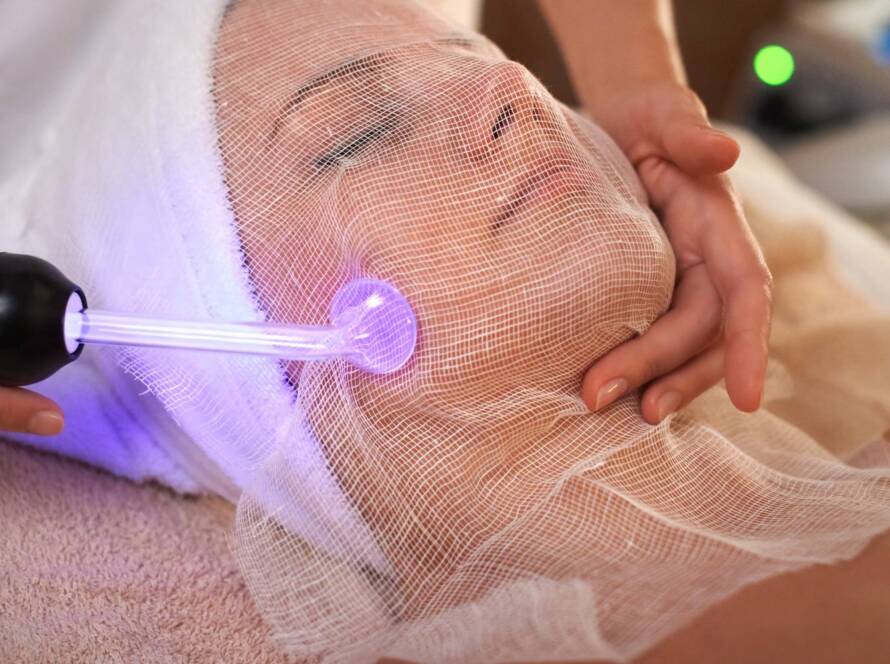
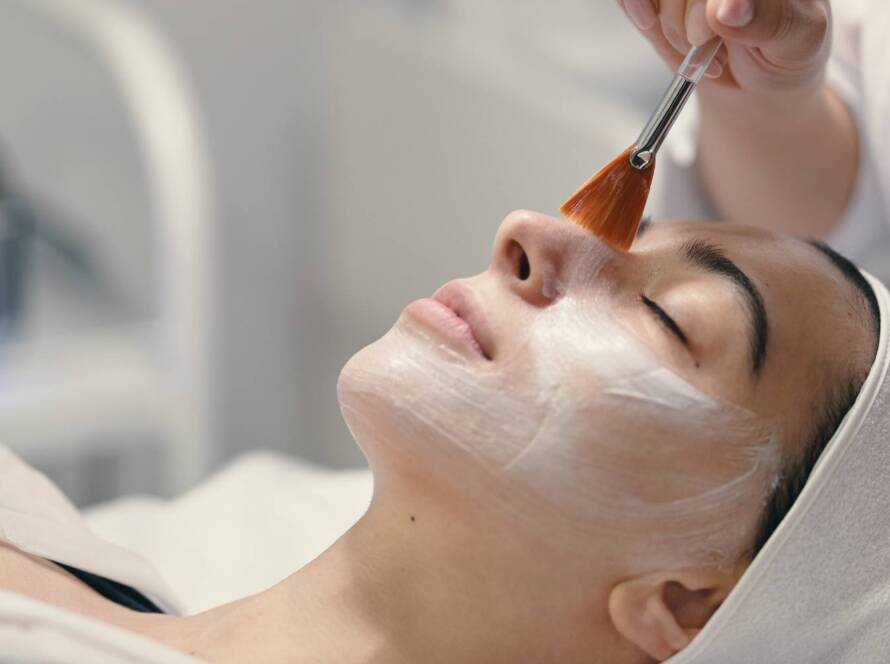
Long after a breakout fades, the marks it leaves behind can linger for months, dulling your complexion and chipping away at your confidence every time you look in the mirror. If you’ve tried spot treatments, serums, and endless concealer without real results, a chemical peel for pimple marks may be the targeted solution your skin has been waiting for. At Refined Skin Club, we’ve helped countless clients trade uneven, marked skin for a smoother, brighter, more uniform tone—and this guide breaks down exactly how the right peel can do the same for you.
Understanding Pimple Marks and Why They Linger
Post-Inflammatory Hyperpigmentation vs. Acne Scars
Not every mark left behind by a pimple is a scar. Most flat, discolored spots are actually post-inflammatory hyperpigmentation (PIH). This happens when skin produces extra pigment after injury, leaving a brown or tan patch. It sits flat against the skin and usually fades on its own over time.
Erythema is different. It’s the pink or red mark caused by damaged blood vessels near the surface. These spots show up often in lighter skin tones, and they can hang around for months after a breakout heals.
True acne scars are their own problem. They involve actual changes in skin texture—pitting, indentation, or raised tissue. Unlike PIH or erythema, scars form because collagen got damaged during healing. Knowing which category a mark falls into matters a lot, since discoloration and structural scarring need very different treatment approaches.
How Inflammation Leads to Discoloration
Acne is, at its core, an inflammatory condition. When a pore clogs and gets infected, the body sends white blood cells in to fight the bacteria. That process triggers swelling, redness, and heat inside the skin’s layers.
During this response, melanocytes, the cells that make pigment, can go into overdrive. They pump out extra melanin as part of the skin’s defense. That extra pigment settles into the area, creating the dark or reddish mark you notice once the pimple clears.
Deeper, more severe breakouts, like cysts or nodules, trigger stronger inflammation. More inflammation means more pigment, and marks that sit deeper in the skin. Picking or squeezing a pimple only feeds this cycle. It adds more trauma to the area, which is exactly why touching acne so often leaves darker, longer-lasting marks than lesions people simply leave alone.
Factors That Make Marks Fade Slower
Skin tone plays a big role in how long marks stick around. Melanin-rich skin tends to overproduce pigment after injury, so PIH is more common—and more stubborn—in medium and deep skin tones. Lighter skin, on the other hand, tends toward lingering redness instead.
How severe the inflammation was matters too. A small whitehead might leave a faint mark that fades in weeks. A large, angry cyst can leave discoloration that lasts six months or longer without any help.
Sun exposure, hormonal shifts, and repeat breakouts in the same spot all slow fading even further. People with active acne often see new marks form before the old ones clear, so the cycle just keeps going. This is one reason many people wonder do facials help with acne alongside targeted treatments. For more on skin healing timelines, check the blog.
How a Chemical Peel for Pimple Marks Works
The Science of Controlled Skin Exfoliation
A peel works through controlled exfoliation. An acid solution goes on the skin and breaks down the bonds holding dead cells together. This makes the outer layer loosen and shed over the following days.
How strong the solution is determines how deep this reaction reaches. Mild acids like mandelic or lactic acid only touch the surface. Stronger formulas, like TCA, go further into the skin. Providers who offer chemical peels pick the acid type and strength based on skin tone and how bad the marks are.
This controlled injury is done on purpose. It tells the skin to repair itself, swapping out damaged, discolored cells for fresh ones. The result is a gradual, even renewal instead of some sudden dramatic change.
Targeting Pigment at Different Skin Depths
Pimple marks usually sit in the upper layers of skin, holding onto extra melanin from past inflammation. Peels speed up cell turnover, pushing those pigmented cells toward the surface faster than the skin would shed them on its own.
Normal turnover takes about 28 to 40 days. A peel can shorten that cycle quite a bit, helping discoloration fade in weeks instead of months. Deeper marks may need several sessions, since pigment can sit below what a single treatment can reach.
That’s why providers check mark depth before recommending a plan. Sometimes they’ll pair peels with microdermabrasion or dermaplaning to prep the surface first.
Collagen Renewal and Long-Term Skin Quality
Beyond pigment, peels also stimulate collagen production in the deeper layers of skin. This rebuilding smooths out texture and softens shallow scarring left behind by breakouts.
Collagen renewal keeps going for weeks after treatment, gradually improving firmness and tone. Some clients pair this with microchanneling for extra texture support.
Over time, this steady rebuilding gives you skin that looks clearer and more even—not just right after peeling, but for months afterward.
Types of Chemical Peels Used for Pimple Marks
Salicylic Acid and Glycolic Acid Peels
Salicylic acid is oil-soluble, so it gets into clogged pores and calms active breakouts. Glycolic acid has a smaller molecule size, so it sinks in fast and smooths rough texture. Both work well for mild, superficial marks and fresh discoloration. Many providers pair these acids with facials to keep results steady between sessions.
Jessner’s Solution and TCA Peels
For deeper, more stubborn marks, stronger formulas step in. The table below compares four common options used for pimple marks, based on typical strength and depth of action.
| Peel Type | Typical Strength | Depth Reached | Best For |
|---|---|---|---|
| Salicylic Acid | 20-30% | Superficial | Active acne, oily skin |
| Glycolic Acid | 30-50% | Superficial | Faint marks, dull texture |
| Jessner’s Solution | Blended acids | Superficial to medium | Uneven tone, mild scarring |
| TCA Peel | 10-35% | Medium | Deeper discoloration, textured marks |
TCA peels go deeper into the skin layers, so they’re better suited for marks that glycolic or salicylic acids can’t fully clear. This resource on Chemical Peels for Acne Scars explains how peel depth relates to scar severity.
Lactic Acid and Combination Formulations
Lactic acid is gentler. It draws moisture into the skin while still fading light marks, which makes it a good fit for sensitive or dry skin types that react poorly to stronger acids. For stubborn, long-standing marks, providers often blend acids into one session—a glycolic base with a light TCA layer, say, to target both texture and pigment at once. Learning about different types of facials can help you see how peels fit into a broader skincare routine.
Comparing Peel Depths: Superficial, Medium, and Deep
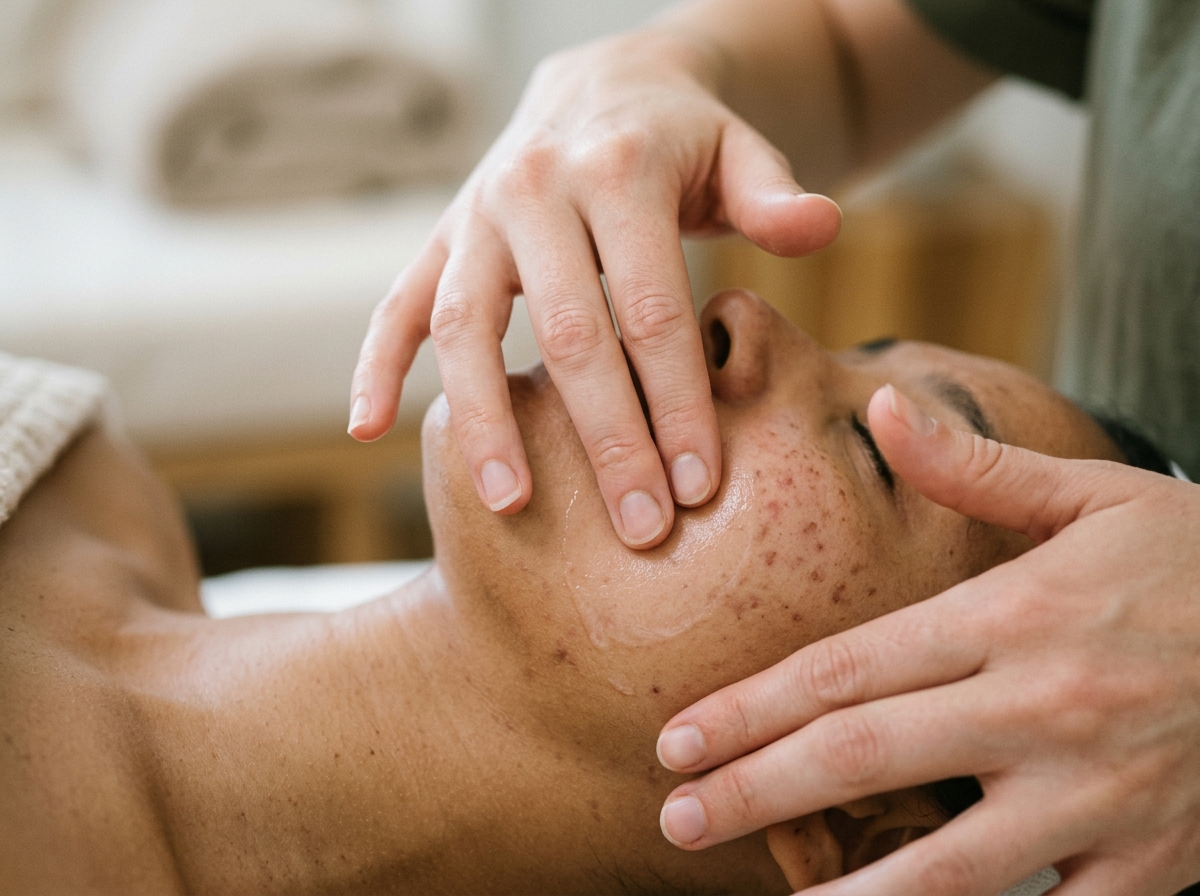
Peel depth controls three things: how long healing takes, how dramatic the results look, and how much risk is involved. The right depth depends on skin tone, mark severity, and how much downtime you can handle. Research on Chemical Peels for Acne and Acne Scars in Asians – PMC – NIH notes that deeper peels carry a higher risk of pigment changes in darker skin, which makes superficial and medium options a safer starting point for many patients.
| Depth | Best For | Downtime | Sessions Needed |
|---|---|---|---|
| Superficial | Mild redness, faint spots | 0-2 days | 4-6, spaced monthly |
| Medium | Moderate brown patches, uneven tone | 5-7 days | 2-4, spaced 6-8 weeks apart |
| Deep | Severe, long-standing marks or texture changes | 2-3 weeks | Often just 1 |
Superficial peels suit most skin types and carry minimal risk. Medium peels need more careful aftercare and a longer break between sessions. Deep peels give the strongest results, but they carry real risks, including scarring, and usually need medical supervision. Between sessions, following guidance on how often should you exfoliate your skin helps protect newly treated skin without overworking it. Many local businesses combine lighter peels with microdermabrasion for gradual, lower-risk improvement over time.
Benefits of Choosing a Chemical Peel for Pimple Marks
Visible Improvement in Skin Tone
One big draw here is speed. Dark spots and discoloration often fade faster than they would with topical creams alone. Peels work below the surface, stripping away dulled layers and encouraging fresh cell turnover. That’s why many people see a real difference after just a few sessions, instead of months of home care. For a deeper look at the process, see this guide on Chemical peel for acne scars: How does it work?
Smoother Texture and Refined Pores
Beyond tone, the treatment also helps with texture issues tied to old breakouts. Many clients notice several changes after a series of sessions:
- Rough patches soften as dead skin cells are lifted away more evenly.
- Enlarged pores appear smaller once debris and buildup are cleared out.
- Uneven skin tone becomes more consistent across the cheeks, forehead, and jawline.
- Fine bumpy areas left behind by old pimples become less noticeable to the touch.
- Overall skin appears brighter, thanks to the removal of dull, damaged surface layers.
Enhanced Absorption of Skincare Products
Clearing away surface buildup lets serums and moisturizers sink in deeper. Many providers pair this with facials or microcurrent for added benefit. Reviewing seasonal summer skincare tips can help you protect these results long term.
Risks, Side Effects, and Who Should Avoid Peels
Expected Side Effects and How Long They Last
Most reactions are mild and don’t last long. Redness, tightness, and flaking are normal after most peel strengths. Superficial peels usually settle within two to four days. Deeper formulas can cause visible peeling for up to a week. Some people notice mild swelling or a warm, sunburn-like feeling on day one.
Risks for Darker or Sensitive Skin Types
Deeper skin tones need extra caution, since inflammation can trigger unwanted pigment changes. A qualified provider will adjust strength and acid type to lower this risk. Still, it’s worth understanding the possibilities before you start.
- Post-inflammatory hyperpigmentation, where marks turn darker instead of fading, can occur in melanin-rich skin.
- Rare hypopigmentation may leave lighter patches, especially after stronger or repeated peels.
- Uneven healing can create texture changes if aftercare instructions are ignored.
- Scarring, though uncommon, is possible with deep peels performed too aggressively or without proper training.
- Sensitive or eczema-prone skin may react with prolonged redness or itching.
When to Avoid or Delay a Peel
Certain conditions and medications raise the risk of complications. Anyone using isotretinoin, pregnant, or dealing with an active infection should wait. A How Chemical Peels for Hyperpigmentation Treat Acne Scars? resource offers good background before you book a consultation. And if you’re exploring broader options, including med spa treatments that can get rid of a double chin, confirm your skin is ready first.
How to Prepare Your Skin Before a Peel
Skincare Routine Changes in the Weeks Before
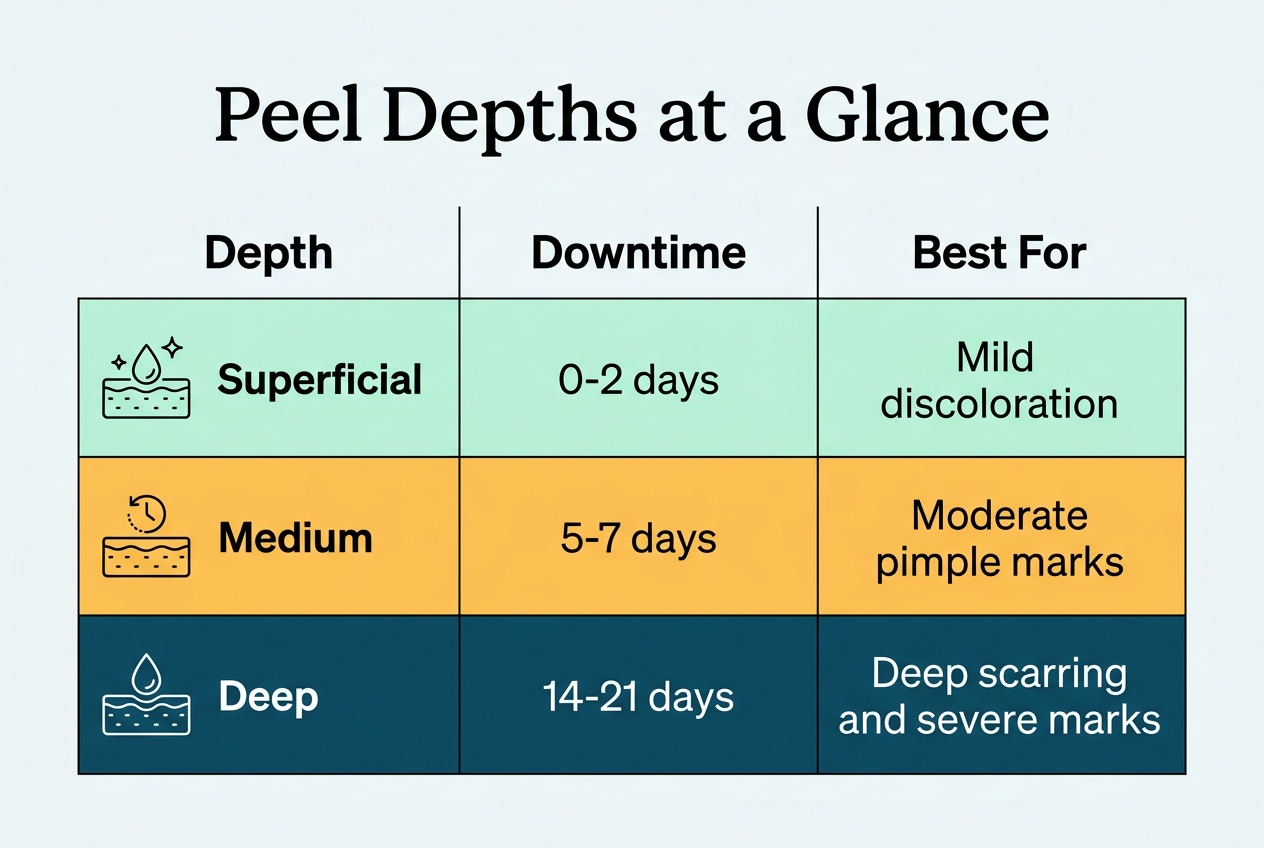
Good results start weeks before your appointment. Most providers ask clients to simplify their routine about two weeks out. That means gentle cleansing, light moisturizing, and skipping harsh scrubs or exfoliating tools. The goal is a calm, balanced skin barrier—not irritated, reactive skin.
If you use prescription creams, ask your provider whether to pause them. Some clinics recommend easing off retinoids seven to ten days beforehand to cut down on sensitivity. Others adjust the timing based on your skin type and the planned peel strength. A Chemical peel works best on skin that isn’t already inflamed or overly dry.
Sun Protection and Ingredient Avoidance
Sun exposure is the biggest threat to a good outcome. Tanned or sunburned skin faces higher odds of uneven healing and pigment changes. Providers typically ask clients to skip tanning beds and direct sun for two to four weeks beforehand, and to use SPF 30 or higher every day.
Certain ingredients need a break too. Retinol, benzoyl peroxide, and strong acids like glycolic or salicylic can thin the skin’s surface. Waxing, dermaplaning, or microdermabrasion should be scheduled well ahead of time—never right before a peel appointment.
What Happens During a Pre-Peel Consultation
A consultation covers your skin history, current products, and how severe your pimple marks are. The provider looks at tone, texture, and sensitivity to recommend the right peel strength. For busy schedules, a virtual skin consultation is often a convenient first step before an in-person visit.
Expect questions about medications, pregnancy, and past reactions to treatments. This step makes sure the plan fits your skin, not some generic template.
What to Expect During and After Treatment
The Treatment Process Step-by-Step
Every session follows a similar pattern, though timing shifts depending on peel depth. A consistent process helps cut down anxiety and sets clear expectations before your first appointment.
| Step | What Happens | Approx. Duration |
|---|---|---|
| 1. Cleansing | Skin is stripped of oil and debris | 5 minutes |
| 2. Prepping | Degreasing solution applied to boost peel penetration | 3 minutes |
| 3. Peel application | Acid solution brushed on in layers | 5-15 minutes |
| 4. Neutralizing | Solution neutralized or rinsed off | 2-5 minutes |
| 5. Soothing | Cool compress, calming serum, and SPF applied | 5 minutes |
Immediate Aftercare and Skin Reactions
Right after the session, skin often looks flushed, feels tight, and may sting a little. That’s normal, and it usually fades within an hour. Avoid touching or picking at treated areas.
Recovery Timeline and When Results Appear
Light flaking often starts by day two or three, lasting under a week for superficial peels. Deeper peels may need seven to ten days. Learning what not to do after botox makes for a useful comparison, since both treatments call for gentle, low-friction skincare during healing. Visible fading of pimple marks usually shows up after two or three sessions, spaced weeks apart. For more on how texture and tone improve over time, this resource on How Chemical Peels Help With Acne Scars and Skin Texture explains the gradual process well.
Maximizing and Maintaining Your Results
Building a Post-Peel Skincare Routine
New skin needs gentle care. For the first week, use a mild cleanser, a rich moisturizer, and broad-spectrum SPF 30 or higher every single day. Sun protection isn’t optional here, since fresh skin burns and pigments easily. Skip retinoids, exfoliating acids, and harsh scrubs until the peeling fully stops.
Hydration matters just as much as protection. A simple routine of cleanser, hyaluronic acid serum, and fragrance-free moisturizer helps the skin barrier repair itself faster. Avoid picking at flaking skin, even when you’re tempted, since this can cause scarring or uneven tone.
Once healing is done, usually after seven to ten days, slowly bring back your normal products. Add one new item at a time. This helps you catch irritation early and keeps your results looking smooth and even.
Pairing Peels with Complementary Treatments
Many providers combine peels with other services to boost results. Regular facials between peel sessions help maintain hydration and calm sensitive skin. Learn more about how facials support long-term skin health alongside peeling treatments.
Microchanneling and microcurrent treatments also pair well, since they support collagen production without disrupting peel recovery. Oxygen spray sessions soothe redness after treatment, while dermaplaning between peels gently removes dead skin buildup.
Timing is key. Space out combined therapies so the skin isn’t overworked. A dedicated provider can build a customized schedule that balances peels with these supportive treatments for steady, lasting improvement.
Recommended Treatment Frequency for Lasting Results
Most people need multiple sessions before they see real change in pimple marks. Superficial peels are often done every two to four weeks, typically for four to six sessions total. Deeper peels need longer gaps, sometimes several months between treatments.
Consistency matters more than intensity. Jumping ahead to stronger peels too quickly can irritate skin and slow healing down. A gradual approach, guided by a skincare professional, gives safer, more even results over time.
For guidance on choosing the right strength for your skin type, this resource on Which Type of Chemical Peel Is Best for Acne? offers helpful context. Many local businesses recommend reassessing skin every few sessions to adjust frequency as marks fade.
Choosing the Right Chemical Peel for Pimple Marks
Assessing Your Skin Type and Mark Severity
Not every peel suits every face. A proper assessment looks at your skin tone, sensitivity, and the type of marks you have. Flat red or brown spots often respond well to lighter peels. Raised or textured scars may need deeper treatment, sometimes paired with microchanneling for better results.
Darker skin tones need extra care. Certain acids raise the risk of new discoloration if the strength or type is wrong. A trained eye can spot these risks before treatment starts, not after the damage is done.
Your goals matter too. Someone wanting subtle brightening needs a different plan than someone targeting stubborn, years-old marks. Matching the peel to your specific concern is the real starting point—not just picking a product off a shelf.
Professional Peels vs. At-Home Treatments
At-home kits seem convenient, but they come with real limits. Store-bought acids are weaker and less targeted. They can’t match the strength or precision of professional-grade formulas applied by trained staff.
Professional treatment also means proper skin prep, correct timing, and safe neutralizing steps. That lowers the chance of burns, uneven peeling, or new pigment problems. Many people research options like can you do microneedling at home before deciding, and the same caution applies to peels.
A clinic setting also allows adjustments mid-treatment. If your skin reacts strongly, a professional can change course right away. At home, you’re guessing alone.
Key Questions for Your Skincare Consultation
Before booking, ask what peel strength and acid type suit your skin. Ask how many sessions you’ll likely need and what results are realistic within three to six months.
Ask about downtime, redness, and how long peeling will last. Find out if treatments like dermaplaning, oxygen spray, or a virtual skin consultation might support your results.
Finally, ask about aftercare and sun protection requirements, since these directly affect how well your marks fade.
Before you commit to anything, it’s worth getting clear on what you’re actually asking your skin to do: soften a few lines, smooth texture, even out tone, or something more structural that only a medical injector or physician can address. Ask how many sessions a given approach realistically takes, what the recovery looks like in your own calendar, and whether gradual, collagen-building change suits you better than an immediate but temporary result. Those questions tend to sort the options faster than any before-and-after photo will, and they leave you talking to providers about your goals rather than their menus.