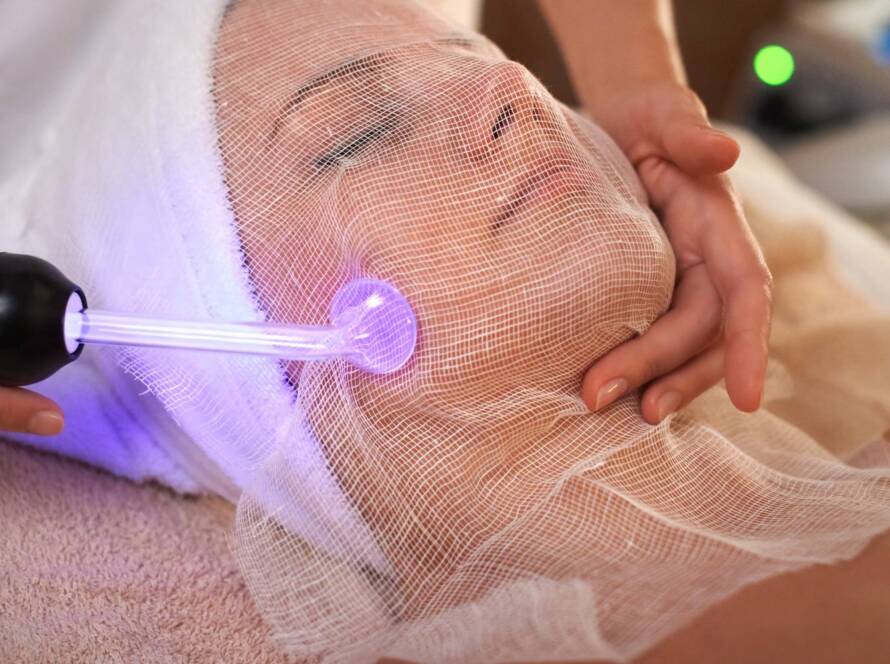
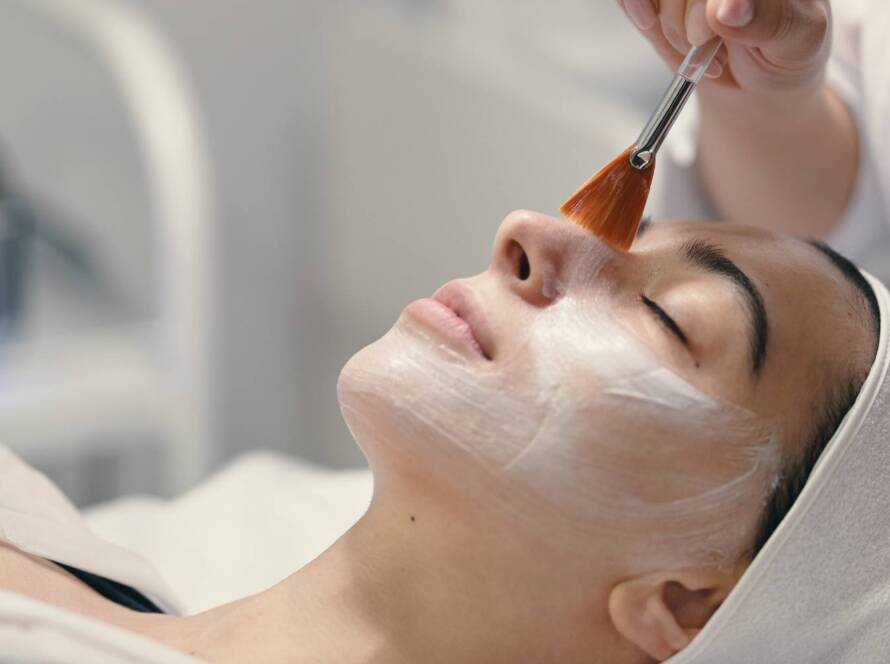
Breakouts that won’t budge, dark marks that linger long after a pimple fades, and drugstore products that promise clarity but deliver disappointment—sound familiar? You’re not alone. A chemical peel for pimples offers a clinically proven path forward. It works beneath the surface to clear congestion, calm inflammation, and fade post-acne discoloration in ways topical treatments often can’t. This guide breaks down which peels work best for active breakouts and acne scarring, what results to expect, and how Refined Skin Club’s approach in 2026 helps you get clearer, healthier skin.
Understanding Acne and Why Peels Help
What Causes Pimples and Breakouts
Pimples form when hair follicles get clogged with oil and dead skin cells. This buildup creates a plug called a comedone. Bacteria then feed on the trapped oil, causing inflammation that leads to redness and swelling.
Several factors drive this process. Hormonal shifts increase oil production, especially during puberty, menstrual cycles, or stress. Genetics play a role too, in how much oil your skin makes. Diet, humidity, and certain medications can make breakouts worse.
Many people wonder if gentler options work first. Our do facials help with acne guide explains how basic treatments compare to deeper exfoliating therapies for stubborn cases.
How Exfoliation Interrupts the Acne Cycle
A chemical peel works by dissolving the bonds holding dead skin cells together. This clears clogged pores before they turn into full breakouts. Removing this surface debris cuts off the food source bacteria need to thrive.
Exfoliation also calms inflammation already sitting in the skin. Many peeling acids have antibacterial and anti-inflammatory properties. That means active breakouts shrink faster while new ones get prevented.
Regular exfoliation keeps oil production more balanced over time. Pores stay clearer, and texture improves gradually. This builds a smoother base for your other skincare products to actually work.
Who Is a Good Candidate for Peeling Treatments
Most people with mild to moderate acne respond well to peeling therapy. Those with blackheads, whiteheads, or occasional inflammatory pimples often see real improvement. Oily and combination skin types tend to benefit most.
Candidates should have no active infections or open wounds during treatment. Certain medications, like isotretinoin, may require a waiting period first. A consultation helps determine which acid strength fits your skin.
Curious readers can explore more before booking a session. Our blog covers more acne topics, skincare tips, and treatment comparisons worth reading beforehand.
Chemical Peel for Pimples: How the Treatment Works
The Science Behind Chemical Exfoliation
A chemical peel uses an acid solution to break the bonds holding dead skin cells together. This is called controlled exfoliation. Once those bonds loosen, old cells shed faster than they would on their own, revealing fresher skin underneath.
That shedding matters for acne-prone skin. Clogged pores form when dead cells mix with oil and get trapped inside follicles. Many providers who offer chemical peels pair the acid application with a careful skin analysis first, checking oil levels and sensitivity before picking a strength.
The acid also triggers new collagen production as skin repairs itself. This dual action—removing surface buildup while stimulating renewal underneath—is why peels outperform basic scrubs or cleansers alone.
Light, Medium, and Deep Peel Depths
Peels are grouped by how deep they go. A light peel affects only the outer layer, the epidermis. It causes mild flaking and needs little downtime, often just a day or two.
A medium peel reaches the upper dermis. It targets deeper acne marks and rougher texture, with recovery lasting about five to seven days. A deep peel goes further still. It’s rarely used for acne and more common for severe scarring or major texture problems.
Each depth changes how skin responds. Deeper penetration means more visible peeling, but stronger, longer-lasting results against stubborn breakouts and discoloration.
What Makes Peels Effective Against Active Acne
Peels work because they hit several acne triggers at once: clogged pores, excess oil, bacteria, and inflammation. This multi-target approach is why chemical peel for pimples ranks among the most requested treatments at skin clinics today.
Unlike spot treatments, peels work across the whole face, preventing new blemishes while calming existing ones. Some providers even schedule lash lifts or brow services on separate visits, since peel days need skin to stay untouched and product-free.
Comparing the Most Common Peeling Agents
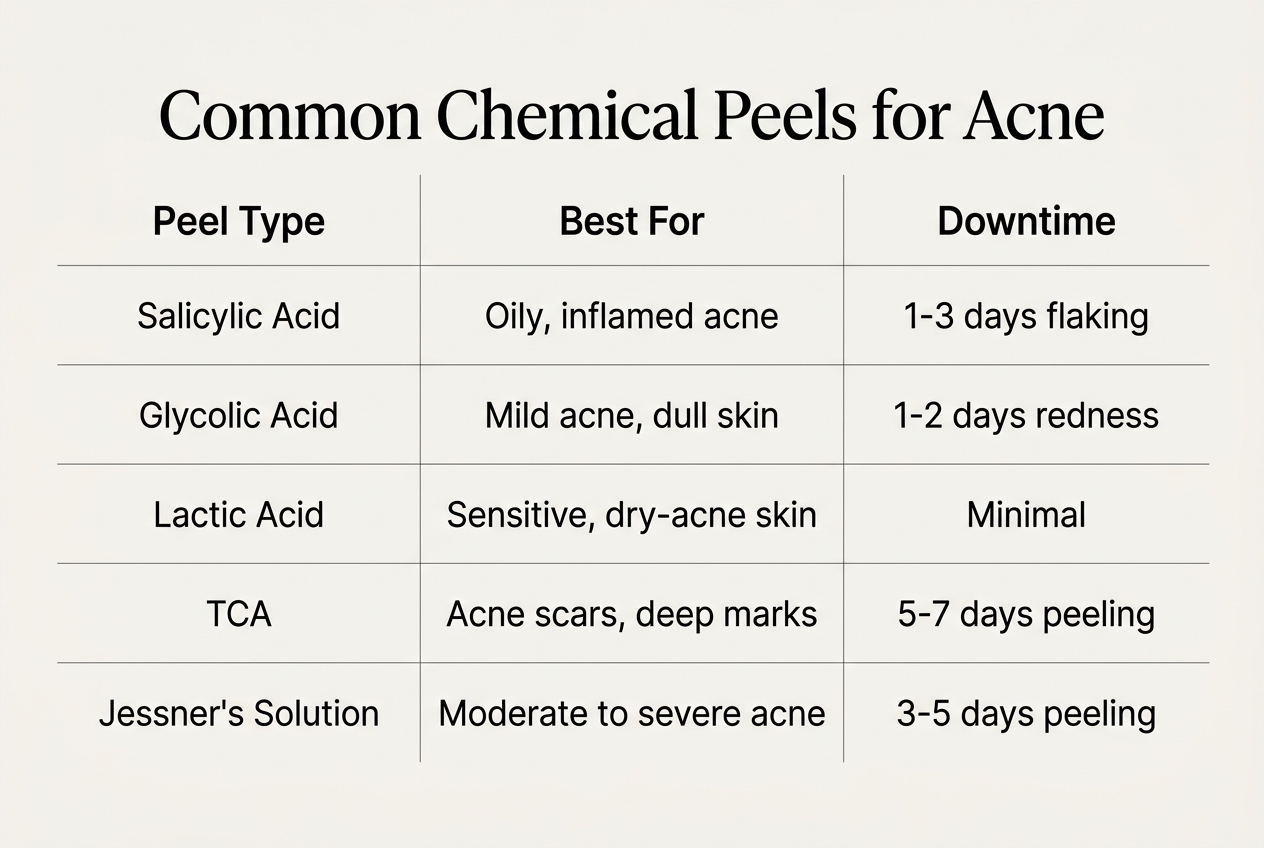
Not all acids treat acne the same way. Some target oil deep in the pore, while others simply refresh the surface. The table below gives a quick side-by-side look at strength, best skin type, and downtime.
Salicylic Acid and Its Oil-Dissolving Properties
Salicylic acid is oil-soluble, so it slips into clogged pores and breaks up excess sebum. It also calms inflammation, making it a favorite for active breakouts and blackheads. Many providers pair it with facial extractions for a deeper clean.
Glycolic and Lactic Acid for Surface Renewal
These water-soluble acids work on the skin’s surface. Glycolic acid resurfaces quickly and fades shallow acne marks. Lactic acid is gentler, drawing in moisture while smoothing texture. Both suit sensitive or dry skin better than stronger options.
TCA and Jessner’s Solution for Deeper Correction
TCA and Jessner’s solution reach deeper skin layers, addressing stubborn scarring and uneven tone. They need more downtime and are usually reserved for resilient skin types under professional supervision.
| Acid | Typical Strength | Best For | Downtime |
|---|---|---|---|
| Salicylic Acid | 10-30% | Oily, acne-prone skin | 0-2 days |
| Glycolic Acid | 20-70% | Dull skin, mild scarring | 1-4 days |
| Lactic Acid | 10-30% | Dry, sensitive skin | 0-2 days |
| Jessner’s Solution | Layered blend | Moderate scarring, uneven texture | 3-5 days |
| TCA | 10-35% | Deep scarring, resilient skin | 5-7 days |
Research reviewing chemical peels in the treatment of acne: patient selectio… confirms that matching acid type to skin condition improves outcomes and lowers irritation risk. Some readers also ask does saltwater help with acne as a milder alternative, though it lacks the controlled strength of formulated peeling agents.
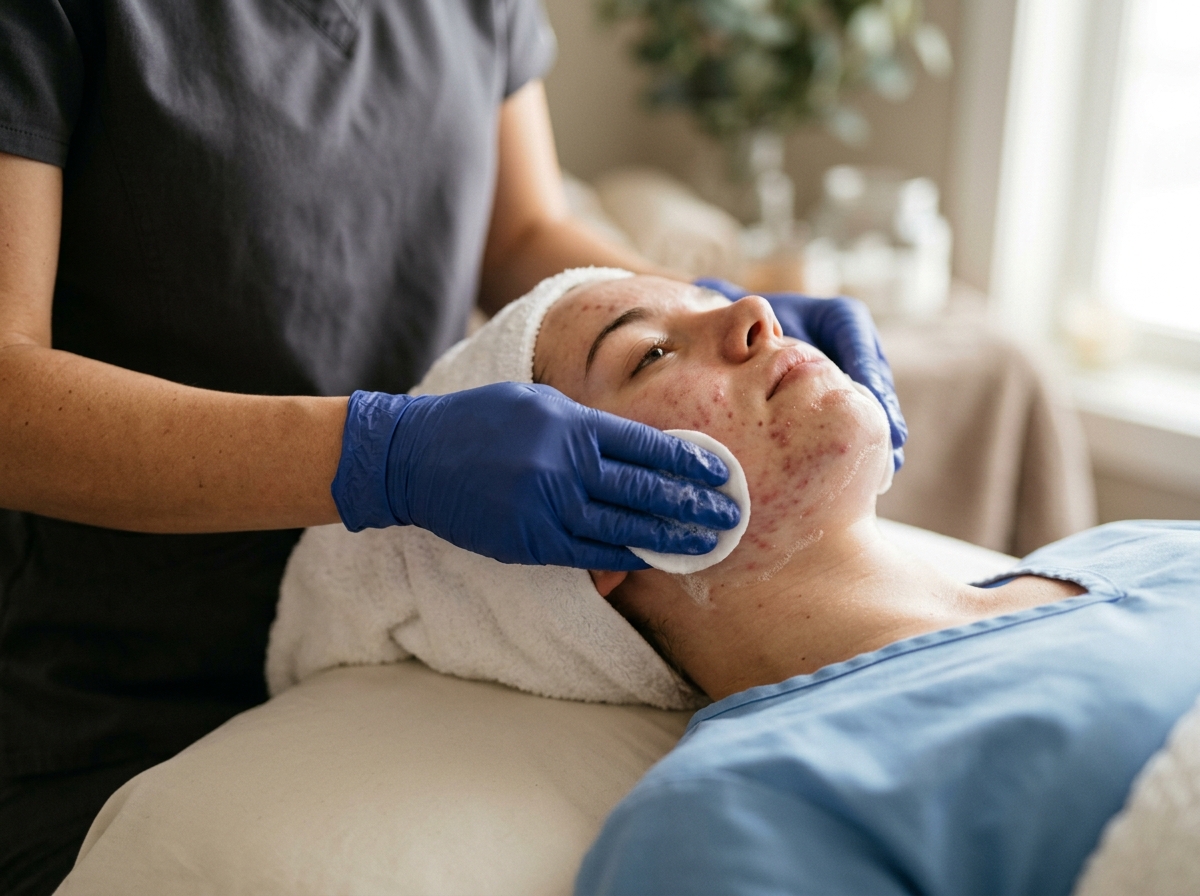
Choosing the Right Peel for Your Acne Type
Best Options for Mild to Moderate Breakouts
Mild breakouts respond well to gentle, surface-level care. A light salicylic acid peel clears clogged pores and cuts oil without harsh downtime. Salicylic acid is oil-soluble, so it slips deep into pores and breaks up the debris that causes whiteheads and blackheads.
For readers unsure what they’re dealing with, this guide on what are blackheads and how to treat them explains the difference between clogged pores and inflamed pimples. Mild glycolic acid peels work well too, smoothing texture while calming redness. Many providers pair these with facial extractions for a deeper clean.
Moderate acne with scattered inflamed bumps may need slightly stronger formulas. A combination peel, blending salicylic and glycolic acids, targets both oil and dead skin buildup. Sessions every three to four weeks often bring visible improvement within two months.
Treating Cystic and Nodular Acne
Cystic acne forms deep under the skin, which makes standard peels less effective on their own. These painful bumps need a provider’s evaluation before any peel goes on. Aggressive peeling on active cysts can worsen inflammation or trigger scarring.
A Chemical peel may still help, often a milder version used between flare-ups rather than during a severe breakout. Providers commonly space treatments further apart, around six weeks, to avoid irritating fragile skin.
Nodular acne, similar but firmer, usually needs combined care. Many clinics pair light peels with extractions or refer patients toward medical-grade treatment plans. Patience matters here, since cystic and nodular acne take longer to calm than surface-level breakouts.
Addressing Acne Scars vs Active Pimples
Active pimples need calming, oil-reducing peels. Scars, by contrast, need treatments that rebuild skin texture. Treating both at once can backfire, so providers usually stabilize breakouts first.
Once active acne settles, deeper peels like TCA can target discoloration and shallow scarring. Microchanneling is sometimes recommended afterward for stubborn texture. This staged approach protects healing skin while still improving long-term appearance.
Benefits and Risks You Should Know
Key Benefits for Skin Clarity and Texture
A well-planned peel offers real gains beyond clearer breakouts. Smoother texture, faded dark marks, and tighter pores are common after a series of sessions. Many clients pair this care with regular facials or microdermabrasion to keep tone even between appointments.
Possible Side Effects and Risks
Every peel carries some risk, and knowing this sets realistic expectations before booking. The table below outlines common side effects by likelihood and typical duration.
| Side Effect | Likelihood | Typical Duration | Notes |
|---|---|---|---|
| Redness | High | 1-3 days | Expected with most strengths |
| Flaking or peeling | High | 3-7 days | Sign the treatment is working |
| Sensitivity to sun | Moderate | 1-2 weeks | Daily SPF is required |
| Hyperpigmentation | Low | Weeks to months | More likely on darker skin tones |
| Scarring | Rare | Long-term | Tied to improper aftercare |
Who Should Avoid Certain Peel Strengths
Deeper peels aren’t right for everyone. Pregnant clients, those with active cold sores, or people using strong retinoids should avoid stronger formulas. A dedicated provider will screen skin type and history first. This same caution applies when considering Chemical Peels for Acne Scars, since scarred skin often needs a gentler, staged approach.
Some clients exploring body-focused options also research the benefits of coolsculpting alongside facial treatments, since both need honest safety screening before scheduling.
Preparing for Your Chemical Peel Appointment
Skincare Products to Pause Before Treatment
Your skin needs time to calm down before treatment. Certain products make skin more sensitive to acids. Stopping them early lowers your risk of irritation or burns.
- Stop retinoids and retinol creams one to two weeks before your session, unless your doctor tells you otherwise, since they thin the skin’s surface.
- Avoid exfoliating scrubs or at-home acid treatments for one full week beforehand.
- Skip waxing treatments or dermaplaning near the treatment area for several days prior.
- Ask your prescribing doctor before pausing any prescription acne medication that dries or peels the skin, and tell your peel provider you use it.
- Limit sun exposure and always wear sunscreen, since these summer skincare tips apply year-round for peel candidates.
What Happens During the Consultation
A consultation reviews your skin type, acne pattern, and medical history. The provider checks for active breakouts, sensitivity, or conditions that rule out treatment. They explain which peeling agent suits your goals and outline realistic results. Learn more about How Do Chemical Peels Treat Acne & Acne Scars? so you can ask informed questions during this visit.
Day-Of Preparation Tips
Arrive with clean, makeup-free skin. Avoid shaving the treatment area that morning. Eat a light meal beforehand, since some peels cause mild stinging. Bring sunglasses and a hat, since your skin will be sun-sensitive afterward.
What to Expect During Recovery
Immediate Reactions and Peeling Process
Right after the session, skin often looks red and feels tight. This is normal and usually fades within a few hours to a day. Peeling typically starts on day 2 or 3 and can last up to a week, depending on the strength of acid used. Recovery from a light peel resembles the calm follow-up needed after treatments like botox aftercare, where gentle care matters more than dramatic changes.
Will You Break Out After a Peel
Many people notice small bumps or pimples in the first week. This is called purging, not a failed treatment. It happens because dead skin and buildup get pushed to the surface faster than usual. Purging usually settles within 1 to 2 weeks as new skin cells replace old ones.
Aftercare Products and Sun Protection
Proper aftercare speeds healing and protects results. A dedicated provider will usually recommend a simple routine, similar to guidance found through resources like Certified Chemical Home Peels – Treat Acne, Wrinkles & … for home maintenance between sessions.
- Apply a fragrance-free moisturizer twice daily to support the skin barrier.
- Use SPF 30 or higher every morning, even on cloudy days.
- Avoid picking or peeling flaking skin manually to prevent scarring.
- Skip harsh exfoliants, retinoids, or scrubs for at least 5 to 7 days.
- Stay hydrated and limit sweating from intense workouts for 48 hours.
Professional Peels vs At-Home Treatments
Strength and Safety Differences
Drugstore peel pads often contain 2-10% acid. Clinical formulas can reach 20-30% or higher. That gap changes everything about results and risk. A supervised treatment targets deeper acne layers safely, while home versions mostly refresh the surface.
The table below breaks down common differences reported by patients and providers.
| Factor | At-Home Peel | Professional Session |
|---|---|---|
| Typical acid strength | 2-10% | 20-70% |
| Cost per treatment | $15-$40 | $100-$300 |
| Visible improvement | Mild glow, slow fade of spots | Noticeable clearing in 1-3 sessions |
| Risk of burns or scarring | Low but hard to judge | Managed by trained staff |
| Custom acne targeting | None | Adjusted to skin type and breakout severity |
Why Professional Application Matters for Active Breakouts
Inflamed acne is fragile skin. A trained esthetician checks for open lesions before applying acid. This prevents stinging, uneven peeling, or infection. For details on formulas used in clinics, see this guide on Chemical Peels: Types of Peels, Conditions Treated, What ….
When At-Home Peels Are Appropriate
Mild, occasional breakouts may respond to gentle home peels. They work best for maintenance, not active flare-ups. Many local businesses also offer combination plans, pairing in-office peels with facials or microdermabrasion between visits. Some clinics even offer med spa treatments that can get rid of a double chin alongside acne care during the same visit.
How Many Sessions You’ll Need for Clear Skin
Typical Treatment Plan for Active Acne
Most active acne responds best to a series of peels, not a single visit. A common plan runs four to six sessions, spaced a few weeks apart. Mild breakouts may clear in three treatments, while cystic or stubborn acne can need six or more.
Providers often start with a gentler formula, like a low-percentage salicylic or glycolic acid, then increase strength as skin builds tolerance. Some patients explore Acne Peels as part of their research before booking, comparing options with a professional plan built around their specific skin type and acne severity.
Spacing Sessions for Safe Results
Skin needs time to heal between treatments. Most peels for acne are spaced two to four weeks apart, depending on strength and skin sensitivity. Spacing sessions too close together raises the risk of irritation, redness, or barrier damage.
Deeper peels require longer gaps, sometimes six to eight weeks, to allow full recovery. A provider will check progress at each visit and adjust timing based on how skin responds, rather than following a fixed calendar for every patient.
Maintaining Clear Skin Long-Term
Once acne clears, maintenance sessions keep results steady. Many patients switch to a peel every one to three months, paired with home care between visits. Some also add treatments like microcurrent or learn what does high frequency do for skin to support tone and texture long after breakouts fade.
Consistency matters more than frequency. Skipping maintenance often leads to new breakouts within months, undoing earlier progress.
Pairing Peels with Other Acne Treatments
Combining Peels with Facials or Extractions
Many providers pair a peel with a facial to boost results. The facial cleanses and softens skin first. This helps the peeling agent absorb evenly. Extractions often follow, clearing clogged pores while skin is still warm and open.
Dermaplaning or microdermabrasion sometimes comes before a peel too. Removing dead skin and fine hair lets the solution work faster and deeper. An oxygen spray may finish the session, calming redness and locking in hydration.
These combinations are common among local businesses offering full-service skincare. The goal is simple: use gentle mechanical exfoliation alongside chemical exfoliation for a more complete result. This layered approach fits well with treatments that dont require a knife, which many patients now prefer for acne care.
Using Peels Alongside Prescription Treatments
Some patients use peels with topical retinoids or benzoyl peroxide prescribed by a dermatologist. This combination can improve texture and reduce breakouts faster than either treatment alone. Timing matters, though. Retinoids increase skin sensitivity, so providers often ask patients to pause them for a few days before a peel.
Oral medications, like isotretinoin, need extra caution. Skin on these medications is thinner and heals slowly. A dedicated provider will usually delay peeling until treatment ends and skin stabilizes.
Clear communication between skincare providers and prescribing doctors keeps this combination safe and effective for long-term acne control.
Advanced Options for Stubborn Scarring
Peels alone may not fully resolve deep acne scars. Many clinics add microchanneling to stimulate collagen and improve texture. Combining treatments over several months often produces smoother, more even skin than peels used on their own.
Microcurrent sessions may also support firmness during recovery. Providers space these treatments carefully to avoid overworking healing skin, so progress stays steady and safe.
If breakouts have been wearing you down, the sensible next step is a conversation with a qualified skin professional who can look at your skin, sort out what’s actually driving the congestion, and map out a realistic series rather than a one-off fix — and if the acne is deep, cystic, or scarring, a dermatologist is still the right person to see for prescription options. For the milder, more stubborn stuff, esthetician-led care makes a real difference over time, and Refined Skin Club is one place where chemical peels sit alongside facials and extractions as part of that gradual, consistent approach. Give your skin a few months of steady, professional attention, and you’ll have a much clearer sense of what genuinely works for you.