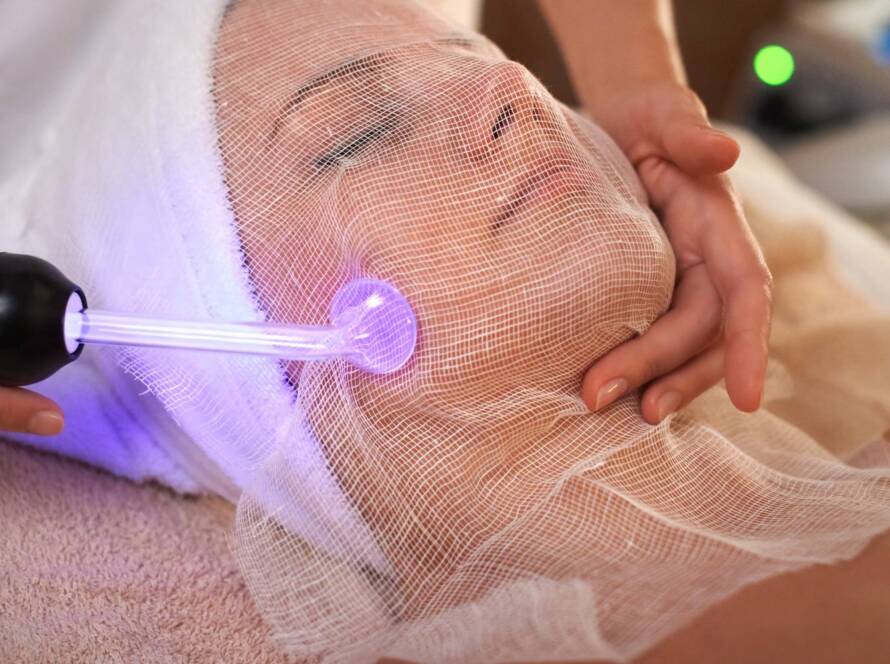
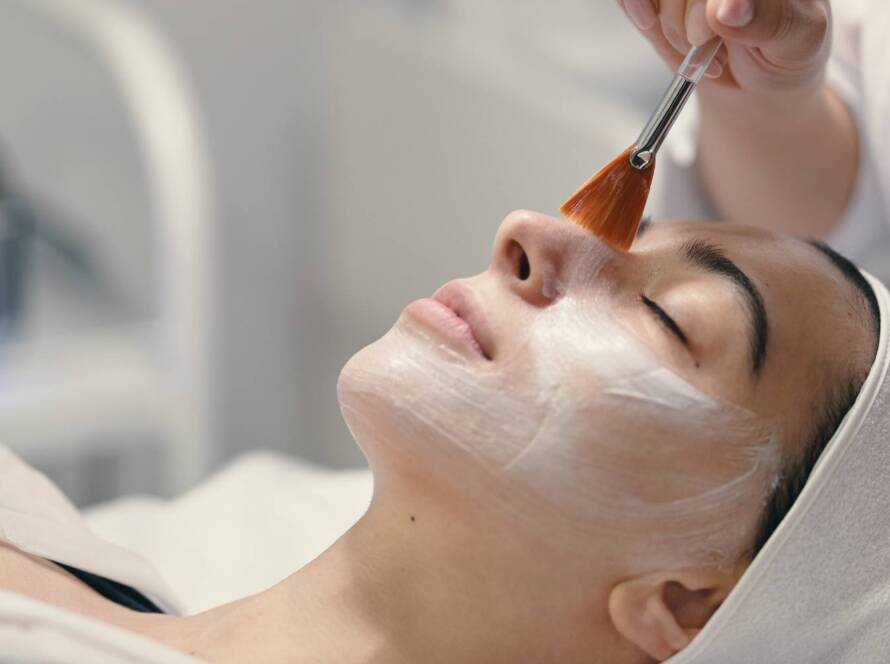
You’ve felt it before: that tight, itchy burn creeping across your cheeks minutes after trying a new product. It’s frustrating, and it turns skincare into a gamble instead of self-care. That’s exactly why picking the right facial masks for sensitive skin matters so much. This guide breaks down what actually works in 2026, so you can calm your complexion without the guesswork.
Why Sensitive Skin Reacts to Everyday Products
Your skin barrier is basically a wall. When it’s intact, it keeps water in and irritants out. When it’s compromised, that wall has gaps. Everything from tap water to a “gentle” cleanser can slip through and cause trouble. A weakened barrier lets irritants penetrate more easily. That’s why sensitive skin seems to overreact to things that never bothered you before. It’s not in your head. It’s biology, and it’s fixable with the right facial care for sensitive skin approach.
Certain ingredients are repeat offenders. Fragrance tops the list — natural or synthetic, it doesn’t matter. Alcohol shows up in toners and sprays and dries the barrier out fast. Harsh acids like high-percentage glycolic or salicylic can be too much, too soon, especially layered daily. Essential oils get marketed as “clean” and “natural,” but lavender, citrus, and tea tree are common triggers for reactive skin.
Signs Your Skin Barrier Is Compromised
Redness that lingers after washing your face is one of the clearest tells. Stinging when you apply a product that used to feel fine is another. Persistent dryness, flaking, or a tight feeling even after moisturizing all point the same direction. Breakouts can happen too, since a damaged barrier struggles to regulate oil and bacteria the way it should. Some people assume more breakouts mean they need stronger products. Usually it’s the opposite.
Genetics play a real role here. Some people are simply born with thinner, more reactive skin. But lifestyle habits matter just as much. Over-exfoliating — scrubbing three or four times a week with physical or chemical exfoliants — wears the barrier down over time. Environmental stress adds to the load: cold wind, harsh sun, dry indoor heat, even pollution in denser New Jersey towns can chip away at skin’s resilience. Layer a stressful week and poor sleep on top, and reactions get worse.
The good news? Most of this is reversible with consistency and patience. Swapping in barrier-friendly products, easing off actives, and giving skin time to rebuild usually makes a visible difference within a few weeks. If you want a deeper dive into ingredients and routines, the blog covers this in more detail, and browsing Soothing Face Masks for Sensitive Skin can offer a useful starting point for gentler formulas. Understanding your triggers is the first real step toward calmer skin.
How to Choose Facial Masks for Sensitive Skin
Choosing the right mask isn’t complicated, but it does take a little label-reading. Sensitive skin does best with formulas that keep things simple and calm the barrier rather than challenge it. Before anything touches your face, think about what’s in the jar, what’s not in the jar, and how you’ll test it.
Ingredients to Seek Out
Shorter ingredient lists tend to mean less chance of a reaction. Soothing agents should sit near the top of the list, not buried at the bottom.
- Colloidal oat, which calms itching and redness while reinforcing the skin’s natural barrier over time.
- Centella asiatica (also labeled cica), a favorite in Korean skincare for reducing inflammation and speeding up recovery after irritation.
- Aloe vera, prized for its cooling effect and lightweight hydration without clogging pores.
- Ceramides and squalane, which help lock in moisture and rebuild a compromised moisture barrier.
- Panthenol (vitamin B5), a gentle humectant that reduces flakiness and supports healing.
If you’re comparing options, 12 Best Facial Masks | The Strategist is a useful roundup for seeing how these ingredients show up across different price points and brands.
Ingredients to Avoid
Some ingredients look harmless on a label but cause trouble for reactive skin. Sulfates strip natural oils and leave skin tight and vulnerable. Synthetic fragrance is one of the most common triggers for contact irritation, even in “natural” products. Denatured alcohol dries and inflames, undoing whatever soothing benefit the rest of the formula offers. High concentrations of acids — glycolic or salicylic especially — belong in a professional chemical peel setting, not a weekly at-home mask.
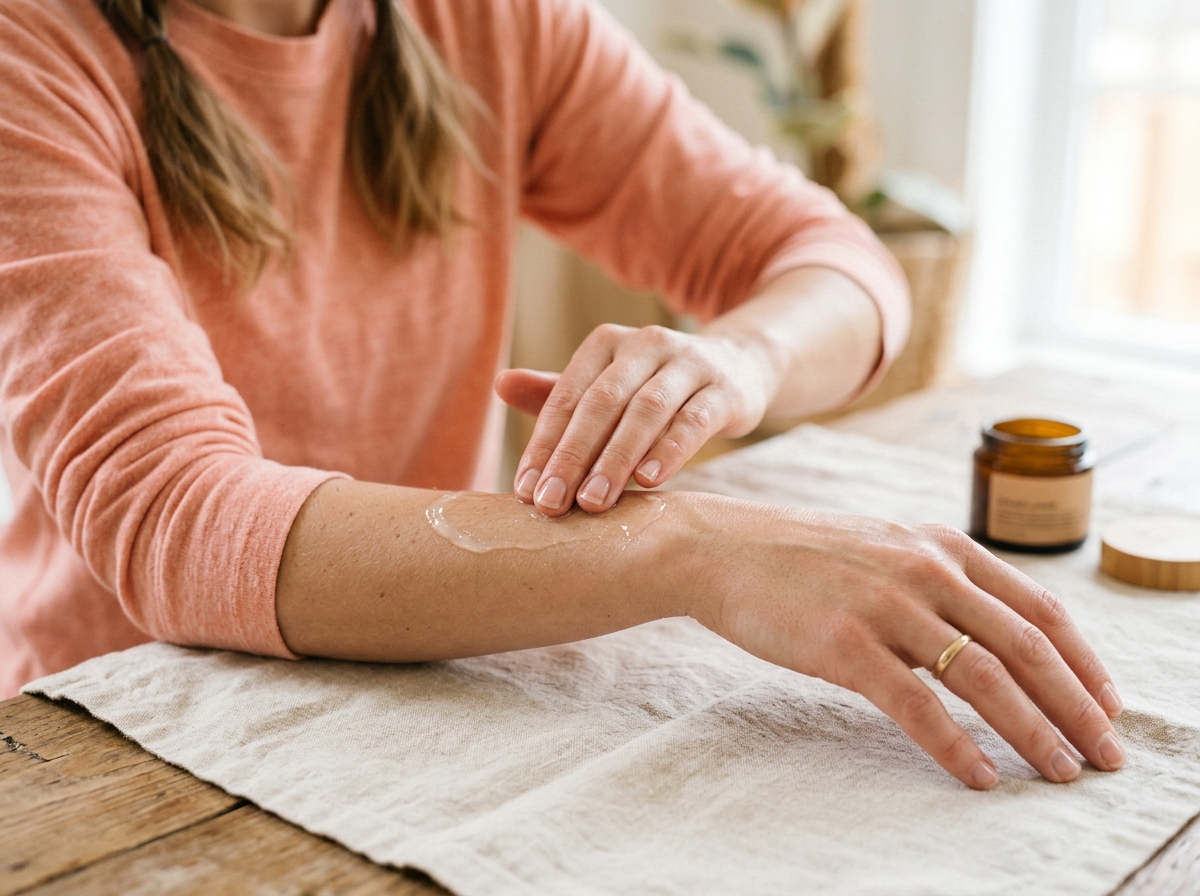
Texture matters too. Gel and cream masks tend to sit gently on skin, while clay and peel-off formulas can pull, tighten, and irritate. Always patch test a new product on your inner arm for 24 to 48 hours before it goes near your face. Most people skip this step. It shows. And if you’re unsure whether a product is even doing anything, do facials help with acne breaks down what actually moves the needle versus what’s just marketing.
Types of Masks Compared for Sensitivity Level
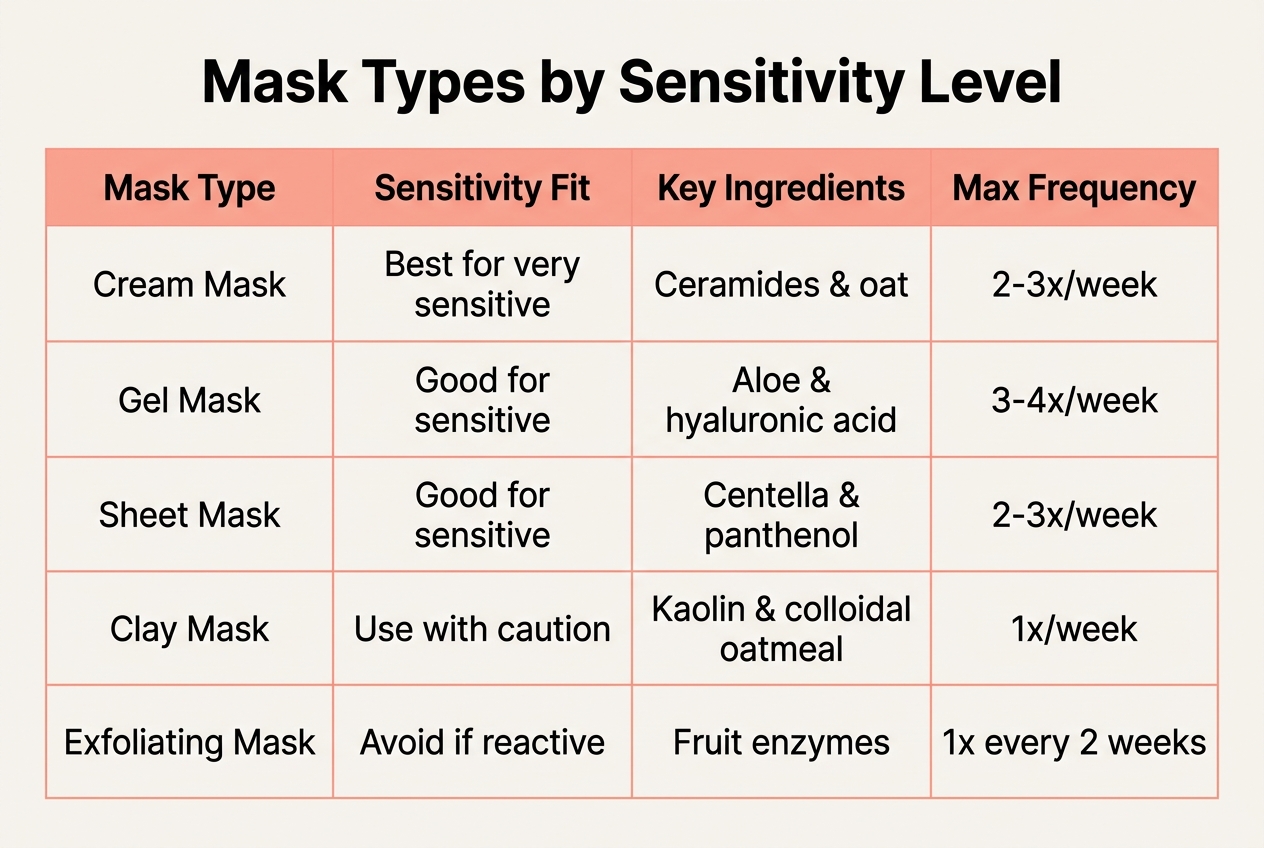
Not all masks treat reactive skin the same way. Some hydrate quietly in the background. Others pull double duty as gentle exfoliants. And a few, used too often, can leave sensitive skin worse off than before. Here’s how the five main types stack up.
| Mask Type | Best For | Sensitivity Risk | Suggested Frequency |
|---|---|---|---|
| Sheet masks | Daily soothing, low friction application | Low | 3-5x per week |
| Cream/gel masks | Dry, reactive, or barrier-compromised skin | Low | 2-4x per week |
| Clay masks | Oily patches, occasional congestion | Moderate to high | Once weekly, max |
| Enzyme masks | Gentle exfoliation without acids or scrubs | Low to moderate | 1-2x per week |
| Overnight masks | Deep hydration, minimal actives | Low | 1-3x per week |
Sheet masks work well because they sit on the skin without rubbing it, delivering hydration through a soaked barrier instead of a hands-on massage. Cream and gel formulas go further, sealing in moisture for skin that’s flaky or barrier-stressed. Clay is the one to watch. It draws out oil effectively, but on sensitive skin, frequent use strips more than it should. If you’re unsure how exfoliation fits into your week, this guide on how often should you exfoliate your skin is a useful starting point. Enzyme masks offer a softer path to smoother texture, and overnight masks quietly do the heavy lifting while you sleep. For a broader look at reliable options, Sephora’s curated list of Face Masks for Sensitive Skin is worth browsing. And if you’re already booked for lash lifts, ask your esthetician which mask type pairs best with your appointment.
Building a Weekly Routine Around Sensitive-Skin Masking
Consistency matters more than intensity here. Sensitive skin doesn’t need a mask every night — it needs a rhythm it can trust. Start with once a week, full stop. Give your skin a few days to show you how it feels before adding a second session. Redness that fades within an hour is normal. Redness that lingers into the next day, or shows up with tightness and flaking, is your skin telling you to slow down.
Keep everything else boring on purpose. A mask should be the one “extra” step in an otherwise simple routine — cleanse, mask, moisturize. Skip the vitamin C serum, the retinol, the exfoliating toner on masking days. Layering actives on top of a mask is one of the fastest ways to overwhelm a reactive barrier, and it makes it nearly impossible to tell what actually caused a flare-up if one happens.
Timing counts too. Morning masking, especially with something cooling or gel-based, works well for puffiness and calming that first-thing-in-the-morning tightness. Evening masking suits repair-focused formulas, since skin does most of its recovery work overnight. If the mask included any exfoliating acid, treat SPF the next morning as non-negotiable, not optional. Staying hydrated helps too; if you’re curious how fluids factor into skin recovery, this breakdown of how many liquid iv per day is worth a look.
Sample 4-Week Introduction Schedule
Week one: mask once, evening, and nothing else new that week. Watch for 24 hours. Week two, if skin behaved, repeat once and consider a second, gentler session — think a hydrating sheet mask rather than anything with acids. Week three, you can settle into two sessions weekly if there’s been zero irritation: one calming, one lightly exfoliating. Week four is about locking in the pattern that worked and noting it somewhere you’ll actually remember.
This month-long approach isn’t about rushing toward a “final” routine. It’s about collecting data on your own skin. Some people land on twice-weekly masking forever. Others find once a week is plenty, especially through winter or after treatments like microneedling or a chemical peel, when the skin’s already busy repairing itself. Many local businesses offering facials will tell you the same thing estheticians tell clients in-office: less frequent but consistent beats frequent but inconsistent, every time.
One more note if masking runs alongside hair removal — waxing appointments can leave skin temporarily more reactive, so spacing a mask a day or two away from a wax session is a small scheduling detail that prevents unnecessary sensitivity. If you’re weighing waxing against other options, this piece on does waxing reduce hair growth covers what to expect over time.
When Home Masking Isn’t Enough: Professional Options
What a Personalized Treatment Plan Looks Like
Sometimes a sheet mask just isn’t going to cut it. If you’re dealing with redness that won’t quit, breakouts that keep cycling back, or texture that feels rougher by the month, that’s your skin asking for a real evaluation. A trained esthetician can spot patterns you’d miss on your own — is it a barrier problem, a reactive ingredient, or something hormonal driving the flare-ups? That distinction changes everything about treatment.
Customized facials go further than anything off a shelf because they’re built around your actual triggers, not a generic formula meant to please everyone. An esthetician might combine gentle extractions with calming enzymes one visit, then adjust entirely the next based on how your skin responded. Chemical peels designed for reactive skin — think mild lactic or mandelic formulas rather than aggressive acids — can even out tone and fade marks without the sting or peeling you’d expect. It’s a slower approach, but it’s the one that sticks.
Microchanneling and microneedling also have a place here, just adapted. For sensitive clients, that usually means shorter needle depths, fewer passes, and longer recovery windows between sessions. If you’ve ever wondered can you do microneedling at home, the honest answer is: you can try, but a clinical setting controls depth and sterility in ways a derma-roller from a drugstore simply can’t. Before recommending anything, a good esthetician weighs your skin type, how much downtime you can afford, and your budget — no plan should feel like a stretch on either front. And if you want a lower-commitment starting point while you weigh professional options, browsing something like Sensitive Face Masks – 100 Products can at least buy time between visits.
DIY vs Professional Facial Treatments: Pros and Cons
Sheet masks and DIY blends have their place. They’re cheap, they’re easy to grab on a Tuesday night, and there’s something soothing about mixing oatmeal and honey in your kitchen. But shelf products only go so far. Potency is capped for safety reasons, and pantry ingredients like lemon juice or cinnamon can actually trigger irritation rather than calm it. Layering three actives in one night, or leaving a clay mask on too long “for better results,” is one of the fastest ways to push reactive skin into a flare.
Professional treatments work differently. An esthetician can see redness or barrier damage in real time and adjust pressure, product, or timing mid-session — something no bottle instruction can do. Many providers also pull from medical-grade formulations you simply can’t buy retail. If you’re weighing options beyond masking, it’s worth knowing that some concerns, like stubborn fullness under the chin, are better handled through med spa treatments that can get rid of a double chin than any home remedy.
| Factor | DIY Masking | Professional Facial |
|---|---|---|
| Average cost | $5–$25 per mask | $75–$200 per session |
| Time commitment | 10–20 minutes | 45–60 minutes |
| Customization | Fixed, one-size formula | Adjusted live to your skin |
| Ingredient strength | Low, retail-safe concentration | Medical-grade, higher potency |
| Risk of irritation | Higher with overuse or wrong layering | Monitored and corrected on the spot |
Bottom line: DIY wins on convenience, professional care wins on precision. If you’re still building your home routine, the Best Face Masks for Sensitive Skin can be a safer starting point than whatever’s in your fridge.
Common Mistakes That Worsen Sensitive Skin
Most flare-ups aren’t caused by a bad product. They’re caused by a bad habit. Sensitive skin punishes small errors that thicker skin barely notices, and the mistakes tend to repeat because they feel harmless in the moment.
- Layering too many active ingredients at once — stacking a retinol serum, an exfoliating toner, and an acid-based mask in the same routine overwhelms the barrier and often triggers redness within hours.
- Leaving masks on longer than instructed to “boost” results — a 10-minute mask left on for 30 doesn’t work harder, it just dehydrates and irritates; more time is not more benefit.
- Using hot water to rinse instead of lukewarm — hot water strips natural oils and leaves skin tight, flushed, and reactive for the rest of the day.
- Skipping patch tests when trying new products — applying an unfamiliar formula straight to the full face skips the one step designed to catch a reaction before it spreads.
- Ignoring reactions and continuing use out of habit — stinging, itching, or tightness is feedback, not a phase to push through.
Quick Self-Check Before Every Mask Application
Before you smooth on anything new, run a fast mental checklist: is this the only active product going on today, does the label give a clear time limit, is your rinse water lukewarm, and have you tested a dime-sized patch behind your ear or on your inner arm for 24 hours? If you’re unsure which formulas suit your skin type, a virtual skin consultation 2 can help sort that out before you buy anything. Browsing a curated list like Best Facial Masks is a fine starting point, too, but read ingredient lists closely rather than trusting star ratings alone.
Getting Expert Guidance for Long-Term Skin Health
Masks and gentle routines only go so far. If redness, breakouts, or aging concerns keep coming back, that’s a signal worth listening to. Ongoing issues usually need a tailored plan, not another jar off the shelf. A licensed esthetician can look at your skin’s actual behavior, not just its symptoms, and build a protocol around it. That might mean a calming facial one month and a light chemical peel the next, adjusted as your skin responds. Curious how far home remedies can go? Some clients ask does saltwater help with acne, and the honest answer is: sometimes, but professional guidance catches what DIY tries miss.
Experience with acne-prone and reactive skin matters here. A provider who’s treated hundreds of sensitive cases knows which ingredients calm versus trigger, and won’t guess. That knowledge shapes safer choices around extractions, microchanneling, or even something as simple as a mask recommendation.
In-person consultations are available across Hoboken, Englewood, and West Caldwell, NJ, so a real assessment isn’t far off wherever you’re based. For further at-home options, The 7 Best Face Masks for Sensitive Skin, Tested is a solid starting point. To book a consultation, call 201-913-7778 or email info@refinedskinclub.com.
If your sensitive skin needs more than a quick trip to the drugstore aisle, the team at Refined Skin Club can help you find a facial routine that actually works for you. Led by esthetician and owner Alesia Gil, who understands acne-prone and reactive skin firsthand, their estheticians create personalized treatment plans based on your skin type, sensitivity level, and goals. Stop by their Hoboken location at 1425 Hudson St. #018, or reach out to any of their New Jersey locations to book a consultation and start giving your skin the gentle, expert care it deserves.