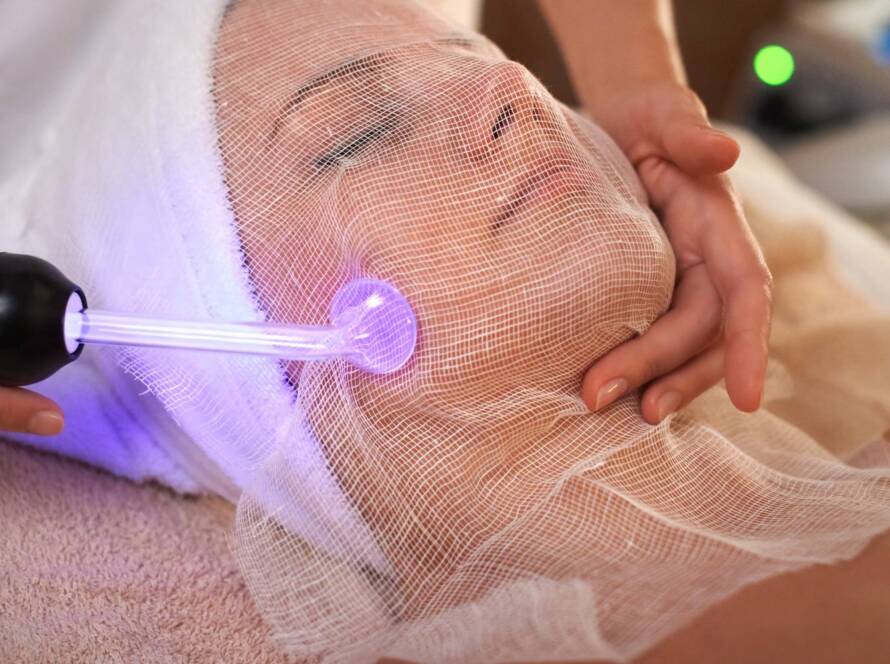
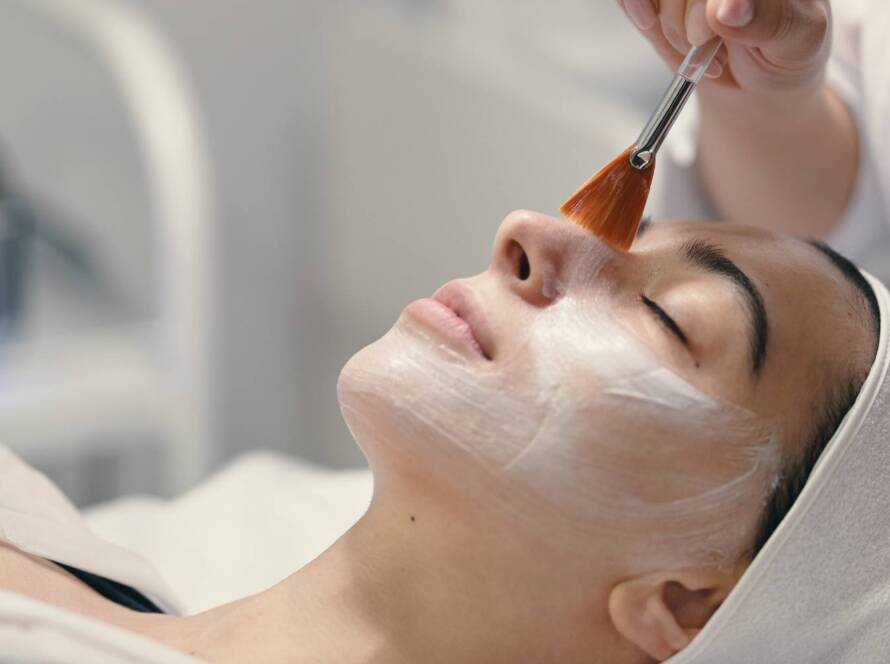
Dark spots, uneven tone, and stubborn discoloration can linger for months, resisting serums and spot treatments that promise more than they deliver. If you’ve been searching for something that actually works, a face peel for hyperpigmentation offers a clinically proven path to clearer, more even-toned skin. This guide breaks down how these treatments work, which type suits your skin, and what results you can realistically expect in 2026.
Understanding Hyperpigmentation and Its Root Causes
Sun Damage and UV Exposure
Ultraviolet light is the most common trigger for excess melanin. When skin absorbs UV rays, it produces more pigment as a defense mechanism. Over time, this creates sun spots, freckles, and uneven patches, especially on the face, hands, and chest.
Repeated exposure without protection makes things worse. A single sunburn can darken existing spots within days. That’s why daily sunscreen matters just as much as any treatment plan. Knowing how often should you exfoliate your skin also helps, since built-up dead cells trap pigment and make sun damage look worse than it is.
Hormonal Changes and Melasma
Hormones play a major role in pigment production. Pregnancy, birth control pills, and thyroid disorders can all trigger melasma, a stubborn discoloration that shows up as symmetrical brown patches on the cheeks, forehead, and upper lip.
Unlike sun spots, melasma often fades and returns with hormonal shifts. It responds slowly to treatment. It needs a consistent, gentle approach rather than aggressive correction. Estrogen sensitivity in melanocytes explains why women are affected far more often than men.
Post-Inflammatory Marks from Acne or Injury
Any trauma to the skin, including acne breakouts, cuts, burns, or aggressive extractions, can leave dark marks behind. This is called post-inflammatory hyperpigmentation, and it’s distinct from active acne or scarring.
These marks are flat, not raised. They typically fade on their own over months. But picking at blemishes or skipping sun protection can deepen the discoloration. Some clients confuse these marks with true scarring. Understanding the difference guides better treatment choices, whether through peels or microchanneling.
Face Peel for Hyperpigmentation: How It Works to Fade Discoloration
The Exfoliation and Cell Turnover Process
A chemical peel works by applying a controlled acid solution to the skin’s surface. This solution breaks the bonds holding dead skin cells together. Common acids include glycolic, salicylic, and lactic acid, each chosen for specific skin concerns.
Once applied, the acid speeds up cell turnover. Normal skin cycles take about 28 to 40 days. A peel can shorten that cycle significantly, pushing pigmented cells to the surface faster. As reviewed alongside other chemical peels options during a consultation, stronger formulas reach deeper skin layers for more dramatic results.
This shedding process reveals fresher skin underneath. Dark spots gradually fade as older, damaged cells slough away. Multiple sessions build on this effect, layer by layer.
Targeting Melanin Production at the Source
Hyperpigmentation happens when melanocytes produce excess melanin. This pigment then transfers to surrounding skin cells, creating dark patches. Peels interrupt this transfer process directly.
Certain acids also block tyrosinase, an enzyme melanocytes need to produce melanin. By slowing this enzyme, peels reduce future pigment production, not just existing spots. This dual action tackles both current discoloration and prevention.
Ingredients like kojic acid or added brighteners can boost this effect further. The result is a more even, controlled melanin output over time.
Why Peels Outperform Topical Creams Alone
Creams work on the skin’s surface only. They struggle to penetrate deeply enough to affect melanin-producing cells. Peels deliver active ingredients at controlled, higher concentrations, reaching layers creams simply can’t.
That’s why professionals consider peels a gold-standard treatment for stubborn pigmentation. Controlled, professional application means consistent, measurable results, unlike inconsistent at-home routines.
Interestingly, other treatments follow similar logic. Just as some ask does waxing reduce hair growth through repeated follicle disruption, peels rely on repeated, deeper intervention rather than surface-level maintenance alone.
Comparing the Main Types of Peels Used for Discoloration
Not all chemical peels work the same way on dark spots. Each acid category has its own strengths, ideal skin type, and downtime profile. Knowing these differences helps you ask better questions during a consultation.
Alpha Hydroxy and Beta Hydroxy Acids
AHAs like glycolic and lactic acid work on the skin’s surface. They exfoliate dead cells and fade shallow pigment. Salicylic acid, a beta hydroxy acid, cuts through oil and works well for acne-related dark marks. These are common starter options within many types of facials offered at spas today.
Trichloroacetic Acid (TCA) and Jessner’s Solution
TCA penetrates deeper and targets stubborn, long-standing pigment. Jessner’s solution blends three acids for a balanced, medium-depth effect. Both require more downtime but deliver stronger results on set spots.
Mandelic and Combination Acid Peels
Mandelic acid has a larger molecule size, so it absorbs slower and causes less irritation. That makes it a smart pick for sensitive or deeper skin tones. Combination peels layer multiple acids to address texture, tone, and pigment together.
| Peel Type | Depth | Best For | Typical Downtime |
|---|---|---|---|
| Glycolic (AHA) | Superficial | Sun spots, dullness | 0-2 days |
| Salicylic (BHA) | Superficial | Acne marks, oily skin | 1-3 days |
| Mandelic Acid | Superficial-medium | Sensitive, deeper skin tones | 2-4 days |
| Jessner’s Solution | Medium | Moderate pigment, texture | 4-7 days |
| TCA | Medium-deep | Stubborn, deep discoloration | 5-10 days |
Before booking, it helps to compare options like Facial Peels For Dark Spots against professional-grade formulas, since strength and results vary widely between at-home and clinical versions.
Choosing the Right Peel Depth for Your Skin
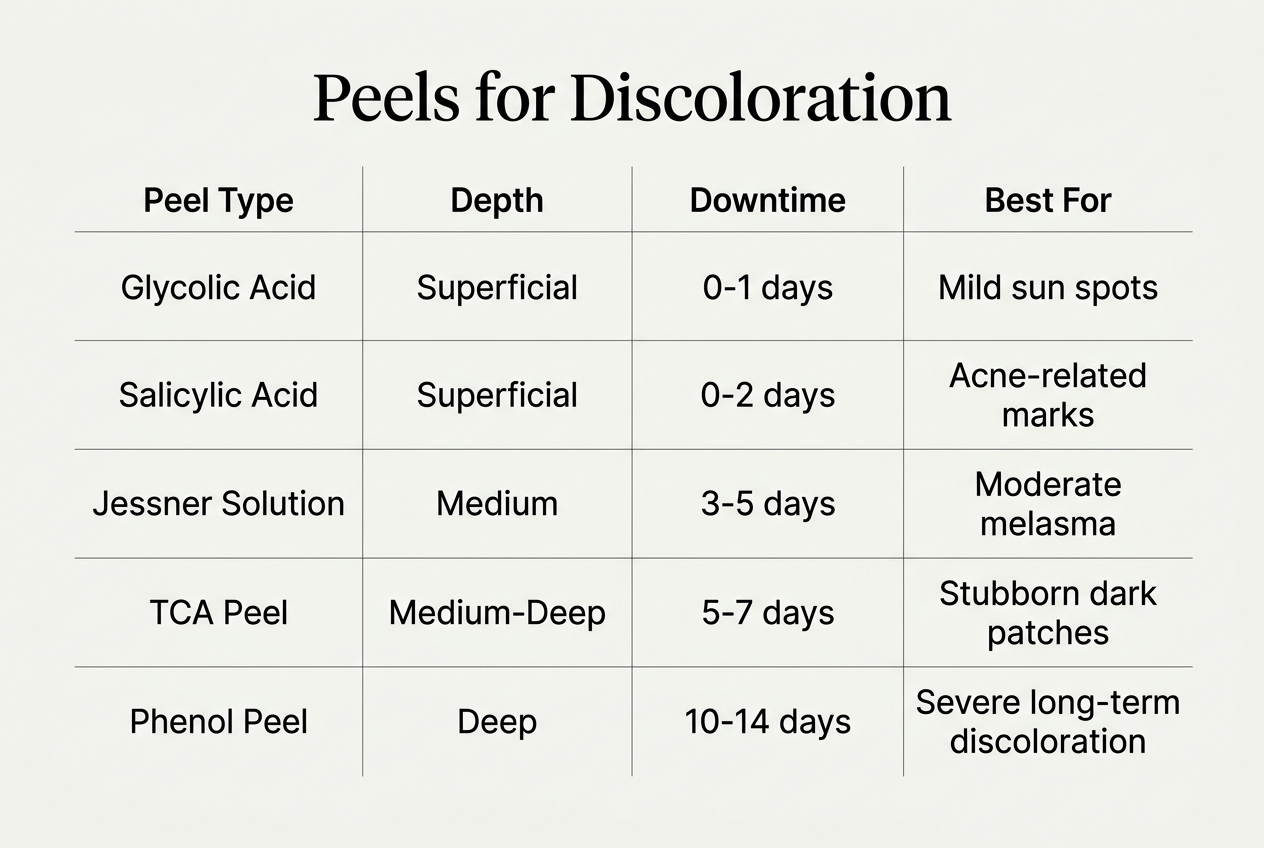
Peel depth determines how far the solution reaches into the skin. A Chemical peel can be superficial, medium, or deep, and each level targets a different stage of discoloration. Matching strength to severity is the key to safe, lasting results.
The table below compares the three depths side by side.
| Peel Depth | Best For | Downtime | Typical Sessions |
|---|---|---|---|
| Superficial | Mild sun spots, dullness | 0–2 days | 4–6, spaced monthly |
| Medium-Depth | Moderate melasma, acne marks | 5–7 days | 2–3, spaced weeks apart |
| Deep | Long-standing, dense pigmentation | 10–14 days | Usually 1, occasionally repeated |
Superficial Peels for Mild Discoloration
These treat the outer skin layer only. They suit light freckling or early sun damage. Minimal downtime makes them popular for regular maintenance visits.
Medium-Depth Peels for Moderate Cases
These reach the upper dermis, targeting stubborn brown patches. Redness and peeling last about a week. Many providers pair this with microchanneling for added results. Some clinics also explain what does high frequency do for skin as a gentler add-on between sessions.
Deep Peels for Stubborn or Long-Standing Pigmentation
Deep peels penetrate furthest, addressing pigmentation that hasn’t responded to lighter treatments. Recovery takes two weeks or more. A thorough consultation is essential before choosing this option.
How Skin Tone and Sensitivity Influence Treatment Choices
Peeling Safely on Darker Skin Tones
Melanin-rich skin behaves differently under a peel. Higher melanin content means pigment cells react faster to inflammation. An aggressive peel can trigger more discoloration instead of fading it. That’s why specialized protocols matter for darker skin tones.
Providers typically choose gentler acids like mandelic acid or lower-strength lactic acid for deeper skin tones. These options exfoliate slowly and reduce irritation. Stronger acids, such as high-percentage TCA, carry a higher risk profile for these clients.
Layering technique also changes. A trained esthetician may apply fewer passes, shorter contact times, or a buffer layer to control depth. This careful pacing protects the skin barrier while still targeting discoloration.
Managing Sensitive or Reactive Skin
Sensitive skin needs a slower approach. Redness, stinging, or prolonged flaking signals the skin is struggling to recover. The biggest concern is post-inflammatory hyperpigmentation, where irritation itself creates new dark patches.
Reactive skin types often do better with enzyme peels or brief, low-concentration acid applications. Pairing a peel with a soothing facial or oxygen spray afterward can calm the skin. Rushing between sessions raises the risk of rebound pigmentation, so spacing matters as much as strength.
Patch Testing and Pre-Treatment Priming
A small patch test on the jaw or inner arm shows how skin will react before a full-face session. This step, done 24 to 48 hours prior, helps prevent surprises during treatment.
Priming the skin for two to four weeks with gentle retinoids or brightening serums improves tolerance and evens out peel penetration. A virtual skin consultation can help determine the right priming routine before booking in person.
Professional assessment remains essential. A trained provider examines tone, texture, and history of scarring before recommending depth or acid type. For deeper guidance on session frequency, this resource on How Many Chemical Peels Are Needed to Get Rid of … hyperpigmentation offers useful context.
What to Expect: Treatment Timeline and Number of Sessions
Mild Hyperpigmentation Treatment Plans
Mild sun spots or faint post-acne marks often respond within three to four sessions, spaced two to four weeks apart. Superficial peels work gradually, so patience matters. Most clients see gradual fading rather than dramatic overnight change, which is normal and expected.
Moderate to Severe Case Protocols
Deeper discoloration, including melasma or long-standing dark patches, usually needs a longer commitment. A dedicated provider may recommend six to ten sessions over several months, sometimes paired with maintenance facials or microchanneling to boost results. Research on Chemical Peels for Melasma in Dark-Skinned Patients – PMC shows that consistent, carefully monitored treatment produces safer, more lasting improvement than rushing the process.
Factors That Can Extend or Shorten Your Timeline
No two skin types heal at the same pace. Several variables shape how many sessions you’ll actually need.
- Skin tone and melanin density, since deeper skin tones often require gentler, more gradual protocols to avoid rebound pigmentation.
- The depth and age of the discoloration, as older, deeper marks typically take longer to clear than fresh, surface-level spots.
- Consistency with aftercare, including diligent sunscreen use and avoiding picking at congestion, similar to how understanding what are blackheads and how to treat them helps prevent further irritation.
- Underlying hormonal factors, like melasma triggered by pregnancy or birth control, which can slow progress or cause temporary flare-ups.
- Combination treatments used alongside peels, such as microdermabrasion or oxygen spray, which can accelerate cell turnover.
- Realistic commitment to the full plan, since stopping early often means results fade faster than expected.
Step-by-Step: What Happens During a Professional Peel Session
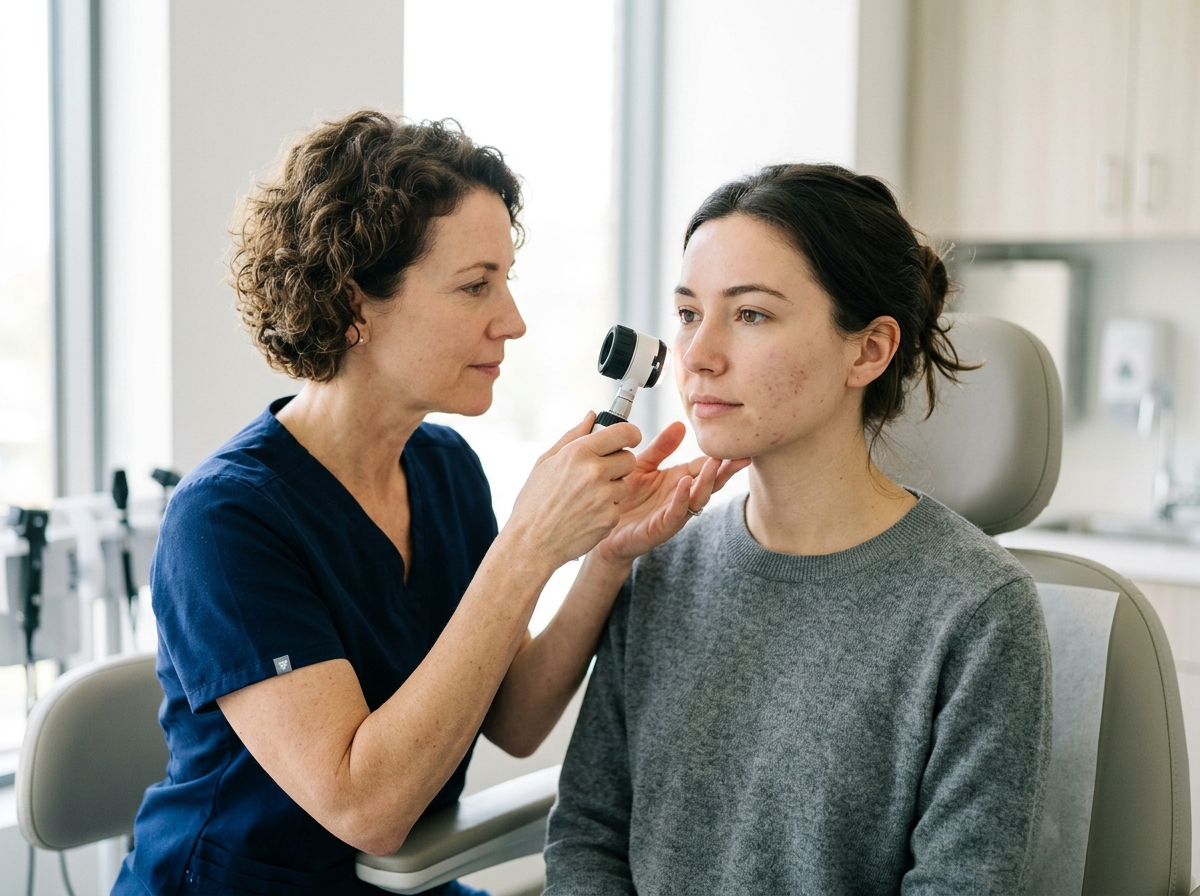
Consultation and Skin Analysis
Every safe session starts with a close look at your skin. A trained esthetician or clinician checks tone, texture, and the depth of your dark spots. They’ll ask about sun exposure, medications, and past reactions to treatments. This step confirms you’re a good candidate and helps rule out risks. For patients weighing options beforehand, a Chemical Peels: Types of Peels, Conditions Treated, What … overview can offer helpful background before your visit.
Application and Neutralization Process
Once your skin is cleansed, the acid solution is applied in careful layers. The provider watches your skin’s response closely the entire time. Safety comes first, so professionals follow a strict sequence:
- Cleansing the skin thoroughly to remove oil, makeup, and debris before any acid touches the surface.
- Applying a protective barrier, like petroleum jelly, around sensitive areas such as the eyes and lips.
- Timing each layer of the solution precisely, often in one-to-three minute intervals depending on strength.
- Monitoring for frosting, redness, or unusual stinging that signals it’s time to stop.
- Neutralizing the acid with a specific solution or water to halt the chemical reaction on schedule.
- Applying a soothing, hydrating product immediately after neutralization to calm the treated skin.
Immediate Aftercare and Recovery Expectations
Right after treatment, skin may look pink or feel tight. Mild peeling can begin within two to three days. Providers typically send patients home with gentle cleansers and strict sun protection instructions. Recovery guidance shares similarities with botox aftercare, since both stress avoiding heat, sweat, and picking at treated skin.
Aftercare Essentials for Lasting Results
Sun Protection and Daily SPF Use
Freshly peeled skin is extremely vulnerable to UV damage. New skin cells sit closer to the surface and lack the protective barrier they once had. Without daily SPF, new dark spots can form within weeks, undoing the progress made during the session.
Dermatologists recommend a broad-spectrum sunscreen of SPF 30 or higher, reapplied every two hours when outdoors. Mineral formulas with zinc oxide are often gentler on healing skin than chemical filters. Wide-brim hats and seeking shade during peak sun hours (10 a.m. to 4 p.m.) add extra protection.
Consistency matters more than the product itself. Skipping even a few days can trigger rebound pigmentation, especially in the first month. For anyone weighing costs and outcomes, the resource How Many Chemical Peels for Hyperpigmentation? explains why sun discipline directly affects how many sessions are ultimately needed.
Gentle Cleansing and Moisturizing
Healing skin needs a simple routine, not a complicated one. A fragrance-free, non-foaming cleanser removes debris without stripping natural oils. Harsh scrubbing or exfoliating tools should be avoided for at least seven to ten days after treatment.
Moisturizers containing ceramides or hyaluronic acid help rebuild the skin barrier faster. Applying moisturizer twice daily reduces tightness, flaking, and itching. Many local businesses pair peels with hydrating facials or oxygen spray sessions to speed comfort during early recovery.
Ingredients to Avoid During Healing
Retinoids, glycolic acid, and vitamin C serums should be paused until skin fully recovers, typically seven to fourteen days. These active ingredients can cause excessive irritation on compromised skin. Clients should also avoid waxing treatments or dermaplaning near the treated area until cleared by a provider.
For clients also considering med spa treatments that can get rid of a double chin, scheduling should be spaced apart to prevent overlapping irritation and support proper healing.
Preventing Pigmentation from Returning
Maintenance Peel Schedules
Melasma is stubborn. It responds well to treatment but often relapses, especially with sun exposure or hormone shifts. That’s why maintenance peels matter so much. Many patients start with a series spaced two to four weeks apart, then shift to a quarterly schedule once discoloration fades.
A light peel every eight to twelve weeks keeps pigment-producing cells in check. Skipping maintenance for six months or longer is a common reason dark patches creep back. Consistency, not intensity, drives long-term control.
Home Care Ingredients That Support Results
Between sessions, daily products carry much of the workload. Vitamin C, azelaic acid, and niacinamide help calm pigment cells and support even tone. Retinoids used a few nights a week speed cell turnover, reinforcing what the peel started.
Broad-spectrum sunscreen, reapplied every two hours outdoors, is non-negotiable. Without it, results fade fast. For deeper dives into ingredient pairing, our blog and the guide The Best Peels For Hyperpigmentation both offer helpful comparisons for building a supportive home routine.
Lifestyle Habits That Reduce Recurrence
Sun avoidance during peak hours, wide-brim hats, and shaded walking routes reduce triggers significantly. Heat exposure, including saunas and hot yoga, can also aggravate melasma, so moderation helps.
Pairing peels with complementary modalities, like microchanneling or gentle microcurrent facials, can extend results between sessions. Stress management and stable sleep support hormonal balance, which strongly influences melasma flare-ups over time.
Chemical Peels vs. Other Pigmentation Treatments
Pigmentation has more than one fix. Peels, lasers, microneedling, and topicals each work differently. The right choice depends on skin tone, budget, downtime, and how deep the discoloration sits.
Peels vs. Laser Resurfacing
Lasers target pigment with focused light. Peels use acids to lift damaged layers. Lasers can carry higher risk for darker skin tones, since heat may trigger more pigment. Peels are often gentler and more adjustable for melanin-rich skin.
Peels vs. Microneedling
Microchanneling creates tiny channels to boost collagen and help serums absorb. It treats texture and scarring well but works slower on pure discoloration. Peels act faster on surface pigment, though combining both can improve tone and texture together.
| Treatment | Best For | Downtime | Typical Sessions |
|---|---|---|---|
| Chemical Peel | Surface pigment, sun spots | 3-7 days | 3-6 |
| Laser Resurfacing | Deep or stubborn pigment | 5-10 days | 2-4 |
| Microneedling | Texture, scarring, mild tone issues | 1-3 days | 4-6 |
| Topical Creams | Maintenance, prevention | None | Ongoing |
When Combination Treatments Work Best
Many providers pair a peel with microneedling for stubborn melasma or scarring. Others alternate peels with dedicated facials to support skin barrier health between sessions. If acne triggered the pigmentation, it helps to first ask do facials help with acne, since calming breakouts prevents new dark marks from forming. A skilled provider can build a plan combining these tools for faster, safer results.
Before you commit to anything, it helps to get clear on what you’re actually after: fewer visible lines, smoother texture, a more even tone, or simply an hour that feels restorative. Injectables and resurfacing lasers belong to medical providers and work quickly by altering muscle movement or removing layers of skin, while gradual, collagen-supporting approaches like chemical peels, microchanneling, microcurrent, and regular facials build change over a series of visits with far less downtime — two different timelines, two different trade-offs. Ask honestly how much recovery you can absorb, how patient you’re willing to be, and whether your concern is one a licensed esthetician can address or one that genuinely calls for a dermatologist’s assessment first.