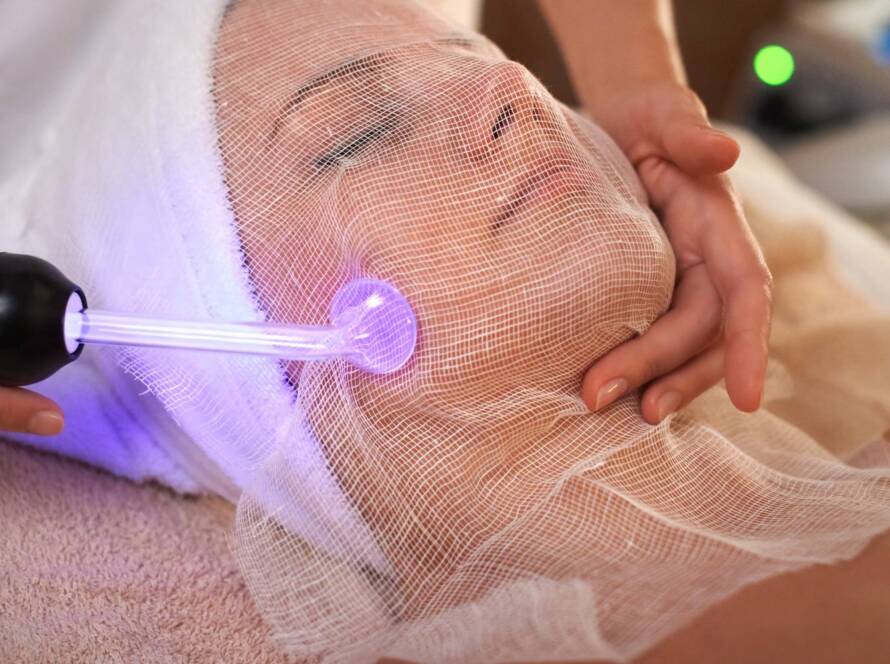
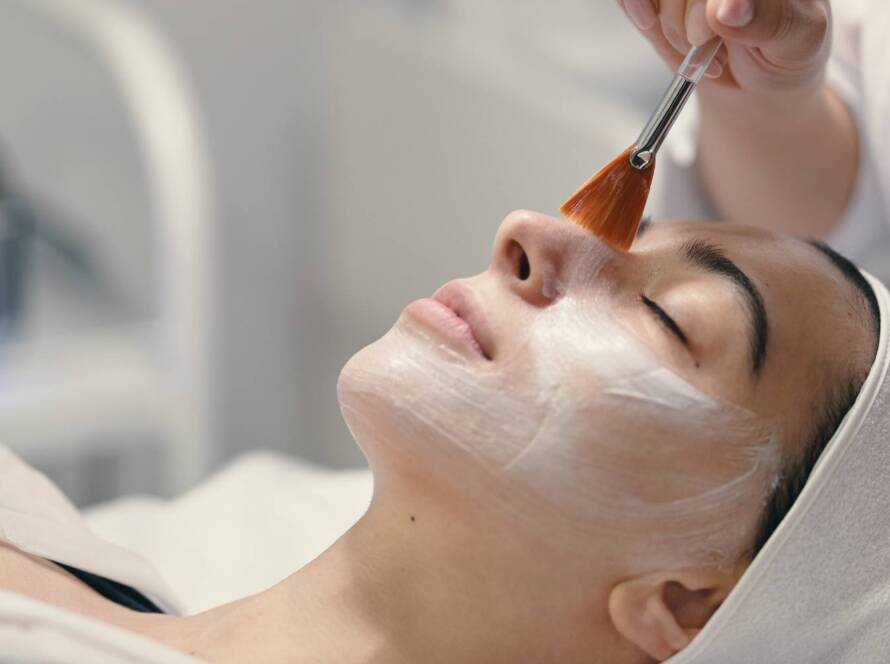
Dark spots, uneven tone, and stubborn discoloration have a way of outlasting every serum and spot treatment you throw at them. Many people start to wonder if clearer skin is even possible. Truth is, chemical peels for hyperpigmentation remain one of the most effective, clinically-supported solutions available. But success depends entirely on choosing the right type, strength, and post-care approach for your unique skin. This guide breaks down what actually works in 2026, from the latest peel formulations to expert protocols, so you can finally address discoloration with confidence and precision.
Understanding Hyperpigmentation and Its Root Causes
Sun Damage and UV Exposure
Years of unprotected sun exposure trigger excess melanin production. This shows up as flat brown spots on the cheeks, forehead, and hands. Dermatologists call these solar lentigines, or just sunspots. They darken in summer and fade a bit in winter — a useful clue when you’re trying to identify this type.
Unlike other forms of discoloration, sun-induced spots usually show up where UV hits hardest: the nose, shoulders, backs of hands. Many people see these spots multiply gradually after age 30, especially if sunscreen wasn’t part of the routine earlier in life. Treatments like chemical peels target this pigment directly by speeding up skin turnover.
Post-Inflammatory Hyperpigmentation from Acne
This type develops after a pimple, cut, or irritation heals. The skin overproduces melanin as part of its repair response, leaving a dark or reddish-brown mark behind. It’s extremely common in people with acne-prone skin, particularly those with deeper skin tones.
These marks can linger for months without treatment. Picking or squeezing blemishes only makes things worse, which is why professional facial extractions beat at-home methods every time. To spot this type, check whether the marks line up with old breakout spots rather than sun-exposed areas.
Melasma and Hormonal Triggers
Melasma shows up as larger, symmetrical patches, often across the cheeks, upper lip, or forehead. It’s driven by hormonal shifts from pregnancy, birth control, or thyroid changes. Heat and sun exposure make it worse.
This form is notoriously stubborn and prone to returning. Recognizing melasma early helps set realistic expectations before starting treatment, since results usually need ongoing maintenance rather than a single fix.
Chemical Peels for Hyperpigmentation: How They Work
The Science of Exfoliation and Cell Turnover
Every peel relies on controlled exfoliation. The acid solution loosens the bonds holding dead skin cells together on the surface. This pushes the skin to shed old, damaged layers faster than it would on its own. Underneath, fresh cells rise to the top, creating a smoother, more even canvas.
Normal cell turnover slows with age, sun damage, and stress. It can stretch to 40 or 50 days instead of the healthy 28-day cycle seen in younger skin. A peel resets that clock. By speeding renewal, it pushes discolored cells out sooner, instead of letting them linger and darken further with continued sun exposure.
This process pairs well with other resurfacing options. Many providers combine peels with microdermabrasion or dermaplaning to boost results. Reviewing the different types of facials can help you figure out which combination fits your skin before booking a session.
Targeting Excess Melanin Production
Dark spots form when melanocytes overproduce pigment, often from sun exposure, hormones, or inflammation. Acids like glycolic, lactic, and kojic acid interrupt this process. They block tyrosinase, the enzyme behind melanin production, while also breaking up pigment clusters already sitting near the surface.
Stronger formulations, like TCA, go deeper to disrupt pigment lodged in lower layers. This dual action — slowing new melanin while clearing existing deposits — is why peels tackle both current spots and future discoloration risk.
Why Peels Work Better Than Topicals Alone
Over-the-counter creams work slowly because their concentrations stay low for safety reasons. Professional peels use higher acid strength under supervision, reaching pigment that creams simply can’t touch. That means faster, more visible fading within weeks instead of months.
Consistent aftercare matters too. Following summer skincare tips, like diligent SPF use, protects your results and keeps new pigmentation from forming after treatment.
Comparing the Main Types of Peels Used for Pigmentation
Not all peels work the same way. Each acid targets pigment differently, and each comes with its own strength and recovery time. The table below breaks down the most common options side by side, so you can see how ingredients relate to depth and downtime.
| Peel Type | Key Acid(s) | Typical Depth | Downtime | Best For |
|---|---|---|---|---|
| Glycolic Peel | Glycolic acid (20-70%) | Superficial | 0-2 days flaking | Mild sun spots, dullness |
| Lactic Peel | Lactic acid (30-50%) | Superficial | 0-1 day flaking | Sensitive or dry skin |
| Salicylic Peel | Salicylic acid (20-30%) | Superficial | 1-3 days flaking | Acne marks, oily skin |
| Mandelic Peel | Mandelic acid (20-50%) | Superficial | 0-2 days flaking | Melasma, deeper skin tones |
| TCA/Combination Peel | TCA (10-35%) plus blended acids | Medium | 5-10 days peeling | Stubborn, deep discoloration |
Glycolic and Lactic Acid Peels
These are the gentlest options. Glycolic acid has the smallest molecule size, so it penetrates fast. Lactic acid works slower and suits reactive skin better.
Salicylic and Mandelic Acid Peels
Salicylic acid is oil-soluble, which makes it a favorite for acne-related pigmentation. Mandelic acid is gentler on darker skin tones and lowers the risk of new discoloration.
TCA and Deeper Combination Peels
TCA peels reach the mid-dermis, addressing pigment that superficial acids can’t touch. Providers often combine acids for stubborn cases, similar to protocols described in Chemical Peels for Melasma in Dark-Skinned Patients – PMC. Many local businesses also pair these sessions with other services; some clients scheduling facial treatments ask about med spa treatments that can get rid of a double chin during the same visit.
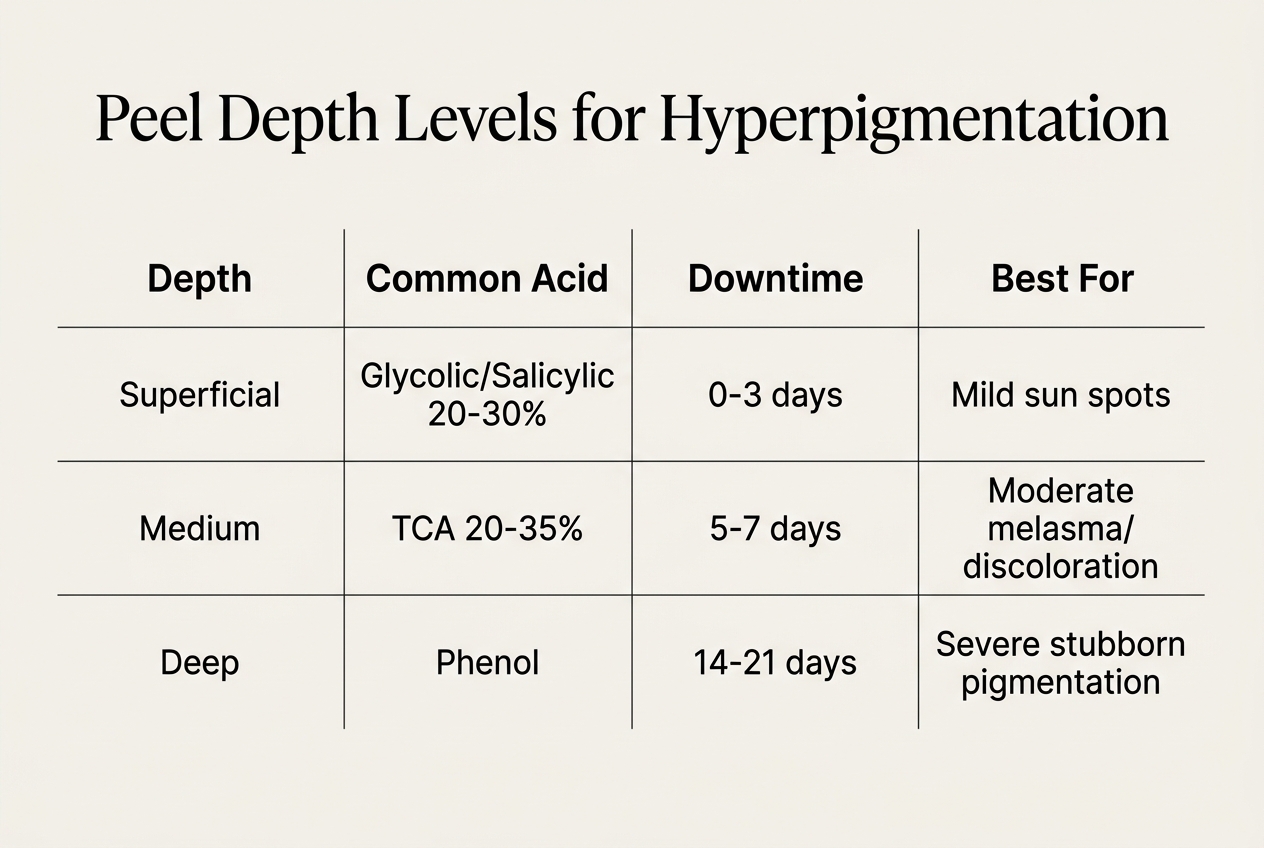
Peel Depth: Superficial, Medium, and Deep Explained
Superficial Peels for Mild Discoloration
Superficial peels use mild acids like glycolic or salicylic acid. They only target the outermost skin layer. These work well for light sun spots, faint melasma, or early acne marks. Many clients pair them with facials or microdermabrasion for a fresher glow.
Recovery is minimal. Expect light pinkness for a few hours, maybe mild flaking for two to three days. Most people go right back to normal activities. That’s why superficial peels are popular among those who want subtle, low-commitment upkeep — similar to routine dermaplaning or an oxygen spray session.
Medium-Depth Peels for Stubborn Spots
Medium-depth peels reach into the upper dermis. Trichloroacetic acid (TCA) at moderate strength is common here. These peels tackle stubborn sunspots, deeper melasma, and post-acne discoloration that superficial options can’t fully resolve. Results often show up more noticeably after one or two sessions.
Downtime runs five to seven days. Skin turns red, then browns and peels in sheets by day three or four. Sun protection matters a lot during this window. If you’re weighing options beyond surgery, resources on treatments that dont require a knife explain how peels compare to more invasive procedures.
Deep Peels for Severe or Long-Standing Pigmentation
Deep peels, often phenol-based, go furthest into the skin. Providers reserve these for severe, long-standing pigmentation or deep scarring that hasn’t responded to lighter treatments. They’re used sparingly and require careful medical screening beforehand.
Recovery stretches two to three weeks, with significant swelling, crusting, and redness. Many patients need a full week away from work. Because the commitment is high, providers usually talk through realistic outcomes first; the guide How Many Chemical Peels for Hyperpigmentation? offers helpful context on session planning.
How Many Sessions Will You Realistically Need
Mild Cases and Quick Improvement
Light discoloration from sun exposure or a few stubborn acne marks often responds fast. Many clients notice brighter, more even tone after just two to three sessions, spaced about three to four weeks apart. A Chemical peel at a superficial depth is usually enough to lift surface pigment without much downtime.
Someone with a bit of sun damage on the cheeks, for example, may see visible fading after the first treatment and near-full improvement by the third. Results vary by skin type, but mild cases tend to be the most predictable and quickest to resolve.
Moderate to Severe Discoloration Timelines
Deeper concerns, like melasma or long-standing sun spots, take more patience. Expect a plan of six to ten sessions over several months, often paired with medium-depth peels or a rotation of milder ones. Hormonal pigmentation especially can fade slowly, plateau, then improve again with continued treatment.
Severe cases sometimes need ongoing maintenance sessions every few months, even after major improvement. A dedicated provider will track progress with photos and adjust strength as your skin responds.
Why Consistency Matters More Than Peel Strength
A single strong peel rarely beats a steady series of gentler ones. Skin needs time to regenerate between sessions, and rushing intensity raises irritation risk without speeding results. Sunscreen habits, skincare routine, even stress levels all shift the timeline.
Booking a virtual skin consultation can help clarify a realistic schedule before you start. Consistency, not aggressive strength, is what actually drives lasting change.
Key Factors That Influence Your Treatment Plan
Skin Type, Tone, and Sensitivity
Your skin type shapes which peel strength is safe. Deeper skin tones face a higher risk of rebound darkening, so a provider must choose acids carefully. Sensitive or reactive skin may need a gentler starting point, even if results take longer to show.
Severity and History of Pigmentation
Long-standing or deep pigmentation behaves differently than fresh discoloration. A dedicated provider will ask how the spots formed, whether they’ve faded before, and how your skin reacted to past treatments like facials, microdermabrasion, or microchanneling. This guide on How Many Chemical Peels Are Needed to Get Rid of … explains why history matters so much for planning session count.
Several variables determine how your skin will respond to therapy. Consider these before comparing your situation to someone else’s results:
- Your natural skin tone, since melanin-rich skin can react unpredictably to overly strong acids.
- How long the discoloration has been present, as older marks often need more sessions.
- Whether the pigment sits in the surface layer or deeper dermis, which affects peel depth choice.
- Any history of keloid scarring, cold sores, or eczema flare-ups after facial treatments.
- Current use of retinoids, acne medications, or recent waxing treatments near the treated area.
Aftercare Compliance and Lifestyle Habits
Results depend heavily on what happens after the session. Sun exposure, skipped sunscreen, or picking at peeling skin can undo progress fast. Many local businesses also stress habits borrowed from other treatments, like botox aftercare routines that emphasize gentle handling and strict sun protection during healing.
What to Expect: Timeline, Downtime, and Visible Results
Immediately After Treatment
Right after the session, skin often looks flushed and feels tight, similar to a mild sunburn. This is normal. A brief redness phase can last a few hours to a full day, depending on peel strength. Superficial peels calm down fast, while medium-depth options linger longer.
Many providers apply a soothing balm or oxygen spray to reduce irritation before you leave. You may notice a slight tightness when smiling or speaking, but this fades within hours. Makeup is usually off-limits for the rest of the day, so plan your appointment accordingly.
The First Two Weeks of Peeling and Renewal
Peeling typically starts on day two or three and continues through day seven, sometimes longer with deeper treatments. Flaking looks patchy and uneven, which surprises many first-timers. This is your skin shedding damaged, pigmented cells. Resist picking, since this can cause new dark marks or scarring.
During this window, gentle care matters more than product variety. Skip retinoids, acids, and rough scrubs until healing completes. Understanding how often should you exfoliate your skin normally helps you avoid overdoing it once peeling stops. Hydration and sun protection are your only real jobs here.
When Final Results Typically Appear
Visible brightening often shows up between three and six weeks, once inflammation fully settles and new cells surface. Deeper pigmentation issues may need two or three sessions spaced four to six weeks apart before real change shows. Reviewing resources like Chemical Peel for Hyperpigmentation-7 Top Ingredients can clarify why certain formulas take longer to reveal results than others.
Patience pays off. Consistent, gradual fading beats rushing with stronger peels too soon.
Is a Chemical Peel Right for You: Candidacy Checklist
Not everyone is a good fit for this therapy right away. Before booking a session, it helps to self-screen using clear, honest criteria. The table below breaks down candidacy factors so you know what to expect at your consultation.
Ideal Candidates for Peel Treatments
Strong candidates usually have realistic expectations, stable skin, and no active infections. People with sun spots, melasma, or post-acne marks often respond well, especially when paired with good sun habits.
Who Should Avoid or Delay Peels
Pregnant or nursing clients, those with open wounds, or anyone using isotretinoin within the past six months should wait. Active cold sores, eczema flare-ups, or recent sunburn are also reasons to postpone treatment.
| Candidate Type | Skin Condition | Recommended Action |
|---|---|---|
| Good candidate | Stable, no active breakouts | Proceed with consultation |
| Caution needed | Recent sunburn or waxing | Delay 2-4 weeks |
| Avoid for now | Pregnant or nursing | Postpone until cleared |
| Avoid for now | Isotretinoin use, past 6 months | Wait for physician approval |
| Special care | Darker Fitzpatrick types | Choose experienced provider |
Special Considerations for Darker Skin Tones
Deeper skin tones carry a higher risk of post-inflammatory darkening. A dedicated provider will choose milder acids and test patches first. Many local businesses now offer a virtual skin consultation to review history before scheduling. For deeper product comparisons, read blog articles or The Best Peels For Hyperpigmentation guide.
Steps to Protect and Extend Your Results
Daily Sun Protection and SPF Habits
Freshly treated skin is fragile and prone to rebound pigment. Sun protection is the single biggest factor in keeping results. Apply broad-spectrum SPF 30 or higher every morning, even on cloudy days, and reapply every two hours outdoors. Wide-brim hats and UV-blocking sunglasses add extra defense during peak sun hours.
Building a Gentle, Brightening Skincare Routine
Your routine after treatment should calm skin while supporting brightness. This mirrors principles used in general skincare, similar to how do facials help with acne routines focus on consistency and gentle care.
- Use a fragrance-free cleanser for at least one week to avoid irritating healing skin.
- Introduce vitamin C serum once redness fades, since it supports collagen and evens tone.
- Add a gentle retinoid a few nights weekly to prevent future pigment buildup.
- Skip harsh scrubs, dermaplaning, or microdermabrasion until skin fully recovers.
- Moisturize twice daily to strengthen the skin barrier and reduce sensitivity.
Scheduling Maintenance Treatments
Long-term control often requires repeat sessions. Many providers recommend spacing follow-up peels every four to six weeks, based on guidance similar to the Chemical Peels: Types of Peels, Conditions Treated, What … overview. Pairing peels with microchanneling or oxygen spray can support tone between sessions.
Frequently Asked Questions About Peels and Skin Discoloration
Do Peels Permanently Remove Dark Spots
Peels fade existing dark spots, but they don’t guarantee permanent results. Discoloration often returns if new triggers appear. Sun exposure, hormonal shifts, and skin injury can all restart the pigment process. Most clients see significant fading after a full treatment series, but the skin still needs protection afterward.
Think of a peel as a reset button, not a permanent shield. Melanocytes stay active for life. Without daily sunscreen and a maintenance routine, new spots can form within months. Many people pair peels with retinoid creams or vitamin C serums to hold onto results longer. Consistency matters more than any single session.
Genetics play a role too. Melasma, for example, tends to be more stubborn and cyclical than sun-induced spots. Some clients need periodic touch-up sessions every few months to keep tone even. A dedicated provider can help set realistic expectations based on your specific type of discoloration.
Can You Combine Peels With Other Treatments
Yes, peels often work well alongside other skin services. Many providers combine a light peel with microdermabrasion or dermaplaning to boost exfoliation before deeper products penetrate. Microchanneling is sometimes layered into a treatment plan for textured scarring alongside pigment concerns. Oxygen spray treatments can calm redness after a session, speeding visible recovery.
Timing matters, though. Combining treatments on the same day can overwhelm the skin barrier. Providers usually space out services like waxing or facial extractions by at least a week around peel dates. Even cosmetic add-ons, such as lash lifts, are best scheduled separately from facial peeling appointments to avoid irritation near the eye area.
A virtual skin consultation can help map out a safe combination schedule before you commit to multiple services.
How Painful Is the Peeling Process
Most peels cause mild tingling, not real pain. Superficial peels feel like a warm, prickly sensation lasting one to two minutes. Medium-depth peels may cause a stronger burning feeling for five to ten minutes, often eased with a handheld fan or cool air.
Deeper peels require more preparation, sometimes including a mild sedative or numbing cream. Redness and tightness follow most sessions, similar to a sunburn. Discomfort typically fades within a few hours, though peeling and flaking can continue for several days. Cryotherapy or cooling masks afterward can reduce lingering sensitivity.
Pain tolerance varies by person and skin sensitivity. Reporting discomfort during the session lets providers adjust technique immediately.
Fading hyperpigmentation is rarely a one-and-done project, so the most useful next step is simply deciding which approach fits your skin and your patience: a series of chemical peels that gradually lift discoloration and even out tone, paired with consistent sun protection and a routine you’ll actually keep. If professional peels sound like the right path, Refined Skin Club works with them regularly and can help you understand what a realistic timeline looks like for your particular pattern of pigment. Whatever you choose, giving it a few months before judging the results will tell you far more than any single treatment ever could.