Back acne can feel uniquely frustrating: it’s hard to treat, hard to reach, and often hidden beneath clothing while it scars and spreads unchecked. Spot treatments and body washes rarely make a lasting difference because they don’t address the deeper, oil-clogged pores driving the breakouts in the first place. A professionally administered bacne chemical peel targets acne at its source, clearing congestion, reducing inflammation, and fading post-acne marks layer by layer. Here’s what makes this treatment so effective, and how Refined Skin Club customizes it to finally give you clear, confident skin from neck to waist.
Understanding Back Acne Before You Treat It
What Causes Bacne
The back carries more oil glands per square inch than almost any other area of the body. That makes it a prime target for clogged pores. Sweat, tight clothing, and backpack straps trap bacteria against the skin, especially after workouts. Many people also skip cleansing their back properly in the shower, leaving residue behind.
Hormonal shifts, certain medications, and heavy laundry detergents can trigger flare-ups too. Hair conditioner runoff is a common hidden culprit. It coats the upper back with pore-clogging residue every time you shower.
Bacne vs. Body Acne Elsewhere
Back skin is thicker than facial skin, sometimes by several millimeters. So breakouts often go deeper, forming cysts and nodules rather than surface whiteheads. Oil production runs higher too, which means pores clog faster and more stubbornly.
Because the skin barrier is tougher, topical treatments must penetrate further to work. A moisturizer or spot gel that clears a chin pimple in days may barely touch a back cyst. This is one reason many wonder whether do facials help with acne the same way for the body as the face; the answer depends heavily on skin thickness and product strength.
Signs You Need Professional Help
Occasional small bumps often respond to over-the-counter washes. But persistent cysts, scarring, or breakouts covering large areas signal a need for professional evaluation. If acne lasts longer than three months despite home care, it’s time for expert input.
Discoloration, painful nodules, or breakouts spreading toward the chest and shoulders also warrant attention. A trained esthetician can assess severity and recommend the right intensity, much like the precision used for delicate services such as lash lifts around the eyes.
What Is a Bacne Chemical Peel
How It Differs From Facial Peels
A back peel uses the same acid families as facial treatments, but the approach changes. Skin on the back is thicker than facial skin, with larger pores and more oil glands. So providers often use stronger acid concentrations or longer contact times to get results. The application also covers more surface area, so a technician works in sections to keep exposure even across the shoulders and mid-back.
Facial peels focus heavily on fine lines and pigment. A back treatment focuses mainly on clearing clogged follicles, reducing inflammation, and fading dark marks left by old breakouts. It fits into a larger plan alongside good hygiene habits and gentle exfoliation. Some clients even ask whether does saltwater help with acne plays a role, but peels offer more consistent, measurable results than home remedies.
Common Misconceptions
Many people assume any peel works the same everywhere on the body. Not true. Formulas get matched to skin thickness, oil production, and acne severity. A treatment strong enough for the back would likely irritate facial skin.
Another myth: peels alone solve bacne permanently. In reality, good candidates usually have mild to moderate breakouts, no open wounds, and realistic expectations about needing repeat sessions. People also wonder if hair removal worsens breakouts; understanding does waxing reduce hair growth helps clarify that waxing and acne are separate concerns entirely.
How Chemical Peels Work on the Back
Application of the Chemical Solution
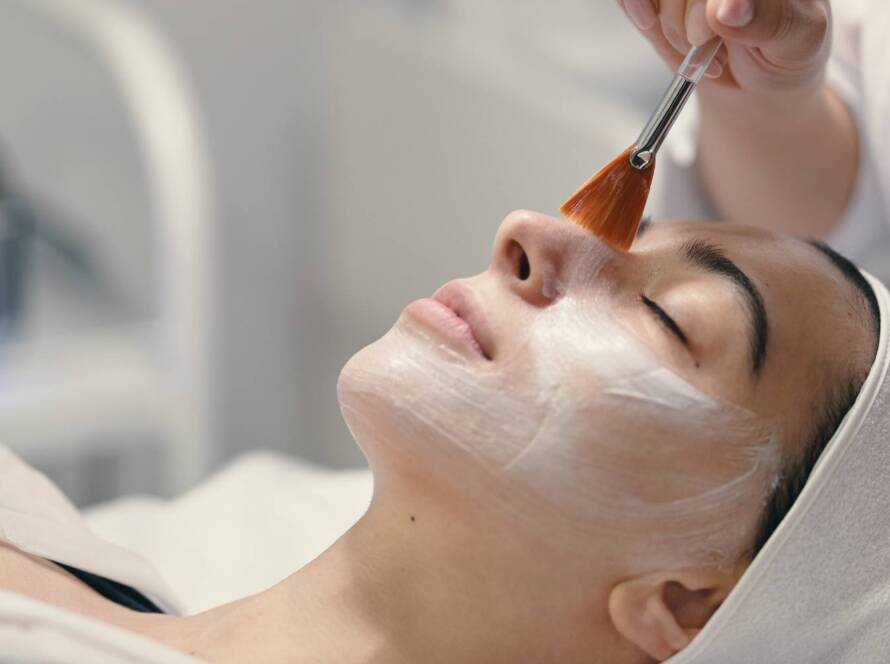
A trained esthetician cleanses the back, then brushes on a targeted acid solution. This step is the foundation of chemical peels for the body. Skin on the back is thicker and produces more oil than facial skin, so it often needs stronger concentrations to get real results. Stronger formulations penetrate deeper, reaching clogged pores buried under tougher skin layers.
Exfoliation Process
Once applied, the acid gets to work breaking down the glue-like bonds holding dead skin cells together. This triggers controlled exfoliation across the treated area. The process matters most for unclogging follicles, since trapped debris and oil are usually the root cause of breakouts.
- Salicylic acid dissolves oil buildup inside pores, helping clear the blockages that lead to pimples.
- Glycolic acid lifts away dull, dead surface cells to reveal smoother skin underneath.
- Deeper acid blends target thicker back skin more aggressively than typical facial-strength products.
- Loosened debris and bacteria are flushed from follicles, reducing the chance of new flare-ups.
- Repeated sessions gradually thin out the outer skin layer, preventing future clogging.
Skin Regeneration
After exfoliation, the body starts repairing itself. New, healthier cells rise to the surface over the following days. Skin regeneration smooths texture, fades discoloration, and strengthens the skin’s barrier. Providers often describe this stage as where visible improvement really takes shape. Treating “bacne” (back acne) with chemical peels works best when this renewal phase is respected and protected with proper aftercare.
Peel Strengths and Key Ingredients Compared
Salicylic Acid vs. Glycolic Acid
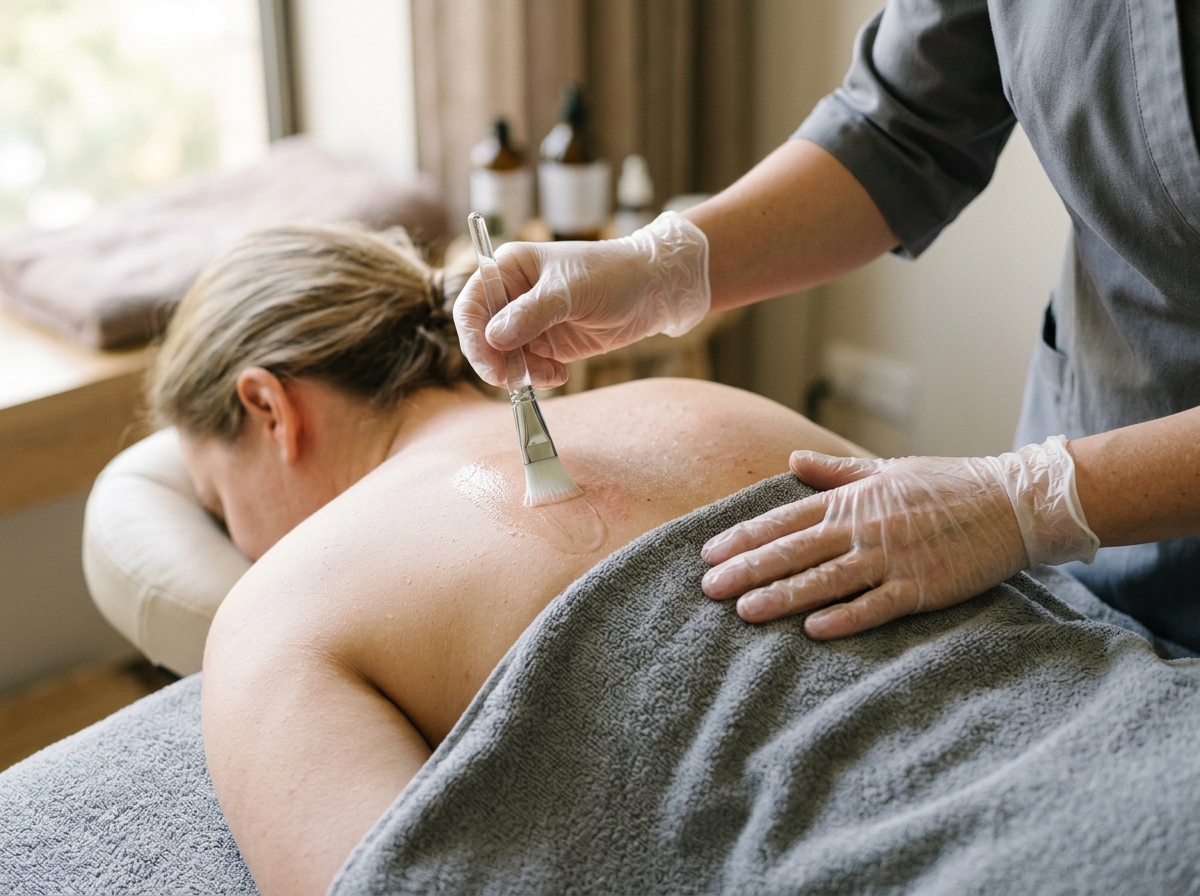
Salicylic acid is oil-soluble. It slides deep into clogged pores and calms inflammation. That makes it a top pick for active breakouts. Glycolic acid works on the surface. It dissolves dead skin cells and smooths texture. Many providers combine both acids for a balanced approach to back acne.
TCA and Jessner Peel Options
TCA (trichloroacetic acid) peels go deeper than salicylic or glycolic acid alone. They target scarring and stubborn discoloration. Jessner peels blend salicylic acid, lactic acid, and resorcinol. This mix treats breakouts while improving overall skin tone. Understanding Chemical Peel On Back: 4 Expert Benefits For Healthier Skin helps explain why layering ingredients often works better than a single acid.
Choosing the Right Concentration
Concentration depends on skin type, severity, and past reactions. Mild bacne often responds to lower percentages. Cystic or scarred skin may need stronger formulas, applied carefully. A provider tests skin sensitivity before increasing strength.
| Acid Type | Typical Concentration | Best For | Downtime |
|---|---|---|---|
| Salicylic Acid | 20%–30% | Active breakouts, oily skin | Minimal |
| Glycolic Acid | 30%–50% | Texture, mild scarring | 1–2 days |
| Jessner Solution | Layered blend | Combination concerns | 2–4 days |
| TCA | 10%–25% | Deep scarring, discoloration | 4–7 days |
Knowing how often should you exfoliate your skin guides safe spacing between sessions and prevents over-treating sensitive skin.
Benefits of Treating Back Acne With a Peel
Improving Skin Texture and Tone
A well-planned peel does more than clear breakouts. It smooths rough patches and evens out skin tone across the back. Dead cells lift away, revealing fresher skin underneath. Many clients notice their skin feels softer within a week or two. Consistent exfoliation is the key mechanism behind this change, and research on Can Chemical Peels Help Back Acne? | Johns Creek confirms peels can meaningfully improve congested, bumpy skin over time.
Fading Acne Scars and Dark Marks
Back acne often leaves marks long after breakouts fade. A peel targets this leftover damage directly. Benefits include:
- Fading of post-inflammatory hyperpigmentation, the dark or reddish spots left behind after a pimple heals.
- Gradual softening of shallow acne scars through steady collagen stimulation.
- Reduced appearance of uneven patches caused by repeated picking or friction from clothing.
- Support for other treatments, such as microchanneling, when scarring is deeper or more stubborn.
- Fewer visible flare-up remnants, making tank tops and swimwear less stressful to wear.
Boosting Overall Radiance
Clearer, smoother skin naturally looks brighter. Many clients describe a noticeable glow after their first few sessions. This radiance boost often extends beyond the back, encouraging clients to explore related services like body contouring or an oxygen spray facial. Some even compare the confidence lift to results people describe after learning the benefits of coolsculpting, where visible change fuels renewed self-assurance.
Preparing for Your Back Peel Appointment
Skincare to Stop Beforehand
Stop using retinoids, exfoliating acids, and benzoyl peroxide on your back at least three to five days before your appointment. These products thin the skin and raise the risk of irritation. Sun exposure matters too, so avoid tanning beds and prolonged sun for a week prior. If you travel often, our summer skincare tips explain how heat and sweat affect breakout-prone skin.
Skip waxing or shaving the treatment area for several days beforehand. Freshly waxed skin is more sensitive and can react unpredictably to acids. If hair removal is part of your routine, schedule it well before, not the same week as your peel.
Discussing Skin Tone and Sensitivity
Every provider needs an honest history before starting the therapy. Mention your skin tone, past reactions to products, and any history of scarring or keloids. Darker skin tones need careful peel selection to avoid pigment changes.
Share medications like isotretinoin or antibiotics, since these increase sensitivity. Mention pregnancy, recent sunburn, or active infections too. This conversation shapes which peel strength suits you safely.
What to Wear to Your Appointment
Choose a loose, button-front or zip-up top instead of a fitted shirt. Pulling fabric over freshly treated skin can cause discomfort and disrupt the peel’s effect. Avoid tight bras or backpacks immediately after the session.
Bring a change of clothes if you’re headed elsewhere afterward. For location-specific guidance, see Best Back Peel Atlanta & Sandy Springs, GA | July 2026, which covers practical appointment-day details.
Safety, Suitability, and When to Skip Treatment
Is It Safe for All Skin Tones
Chemical peels can be safe for every skin tone, but the approach must change based on melanin levels. Deeper skin tones face a higher risk of post-inflammatory hyperpigmentation, especially with stronger acids like TCA above 20%. A dedicated provider will often choose gentler options, such as mandelic acid or lower-strength salicylic acid, for melanin-rich skin.
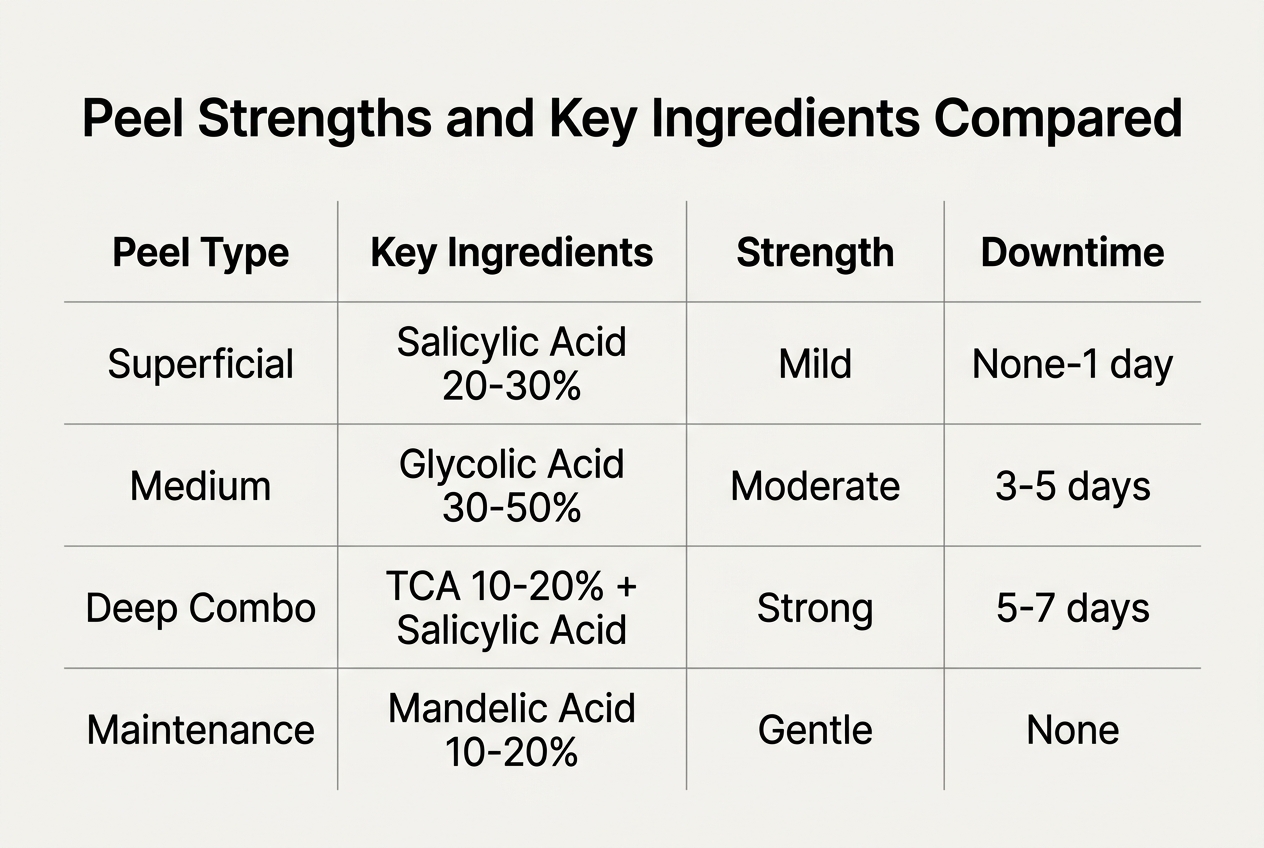
Patch testing matters here. A trained esthetician may test a small area on the back before committing to full-body treatment, watching for excess redness or unusual reactions over 24 to 48 hours. This step catches sensitivity issues early.
Many local businesses now train staff specifically on treating diverse skin tones, since bacne affects people across all backgrounds equally. Ask directly about a provider’s experience with your skin tone before booking.
When a Peel Is Not Recommended
Certain conditions make peels risky. Active cystic acne with open sores, recent sunburn, or eczema flare-ups on the back are reasons to postpone treatment. Isotretinoin users should wait at least six months after finishing the medication, since skin remains fragile during that window.
Pregnant or breastfeeding clients should avoid salicylic acid peels and stick to safer alternatives after consulting a physician. Anyone with a history of keloid scarring also needs a careful conversation before proceeding, since aggressive exfoliation can trigger raised scars.
If you’re unsure, a Chemical Peel & Back Acne Extraction Facebook Live session offers a helpful look at real treatment conditions and screening questions worth asking.
Can It Help With Keratosis Pilaris
Keratosis pilaris causes small, rough bumps, often confused with bacne. Peels containing lactic or glycolic acid can smooth texture over repeated sessions, though results are usually gradual rather than dramatic.
Combining peels with consistent moisturizing yields better outcomes than peels alone. Some clients also explore med spa treatments that can get rid of a double chin during the same visit, since many providers offer multiple services in one appointment for efficiency.
Aftercare: Peeling Timeline and Recovery
Healing happens in stages. Knowing what to expect each day helps you avoid picking, scrubbing, or panicking when flaking starts. The table below breaks down a typical recovery window after a back peel.
| Day Range | What’s Happening | What To Do |
|---|---|---|
| Day 1-2 | Tightness, redness, mild warmth | Keep skin dry and undisturbed |
| Day 3-4 | Peeling begins, skin looks patchy | Apply gentle moisturizer twice daily |
| Day 5-7 | Heavier flaking on treated areas | Resist picking; let skin shed naturally |
| Day 8-10 | New skin emerges, still sensitive | Start light sun protection habits |
| Day 10-14 | Texture smooths, tone evens out | Resume normal routine gradually |
Gentle Cleansing and Moisturizing
Use a fragrance-free cleanser and pat skin dry. Follow with a bland moisturizer to support the skin barrier. Skip exfoliating scrubs, retinoids, and acids until a provider clears you.
Sun Protection and Avoiding Irritants
Fresh skin burns easily. Cover treated areas or use broad-spectrum SPF once peeling settles. Avoid hot tubs, saunas, and heavy sweating for several days, since these can worsen irritation. For readers weighing options beyond peels, this roundup of treatments that dont require a knife offers useful context.
Loose Clothing and Patience With Results
Wear loose, breathable fabrics to reduce friction. Tight shirts or backpacks can pull at peeling skin and slow healing. Full results often take two to three weeks to show. This Stacked Skincare TCA Body Peel, Reviewed account echoes a similar timeline for at-home versions.
How Many Sessions Will You Need
Single Session vs. Treatment Series
One peel can brighten tone and smooth texture. But chronic bacne rarely clears after a single visit. Back breakouts often build up over months or years, with clogged follicles sitting deep beneath thicker skin. A single treatment removes surface buildup, but it cannot fully retrain oil production or clear every blocked pore. That’s why most providers recommend a series, not a one-time fix.
A typical plan involves four to six sessions, spaced two to four weeks apart. This spacing allows skin to heal fully and lets new skin cells regenerate before the next application. Staying hydrated supports this healing process too; some clients ask their esthetician about how many liquid iv per day makes sense during a peel series, since fluid balance affects recovery and skin comfort between sessions.
Maintenance Peels for Long-Term Clarity
Once active breakouts calm down, many clients shift to maintenance peels every six to eight weeks. This keeps pores clear and prevents new flare-ups, especially for those prone to hormonal or sweat-triggered bacne. Total sessions needed depend on factors like acne severity, skin thickness, scarring, and lifestyle habits such as workout frequency or tight clothing.
Some clients pair peels with microchanneling or extractions for stubborn cases. Understanding root causes helps too; this resource on From Back Acne to Keratosis Pilaris: All the Reasons You … explains why body peels address more than one skin concern at once.
Comparing Peels to Other Bacne Treatments
Chemical Peels vs. Laser Treatments
Laser treatments target deeper acne scars and redness with focused light energy. Peels work on the skin’s surface, clearing clogged pores and dead cells. Lasers usually cost more per session and need more recovery time. Peels offer a gentler, budget-friendly starting point for mild to moderate breakouts.
Peels vs. Topical Retinoid Regimens
Retinoid creams work slowly, often taking three to six months to show results. A peel delivers faster, visible exfoliation in a single session. Retinoids require nightly discipline. Peels need only periodic visits, spaced four to six weeks apart.
| Treatment | Avg. Cost | Downtime | Time to Results |
|---|---|---|---|
| Chemical Peel | $100–$250 | 2–5 days peeling | 1–2 weeks |
| Laser Treatment | $300–$600 | 3–7 days redness | 2–4 weeks |
| Retinoid Cream | $20–$80/month | Minimal, mild dryness | 3–6 months |
| Microdermabrasion | $75–$150 | None to 1 day | Immediate, temporary |
Combining Treatments for Faster Results
Many clients pair a peel with a retinoid routine for maintenance between sessions. Others add microchanneling to address old scarring alongside active breakouts. A dedicated provider can build a layered plan based on skin severity. For more comparisons and product tips, check the clinic’s blog before your next appointment.
Clearing bacne takes patience more than anything else, so the most useful next step is simply deciding which part of your routine you’ll stay consistent with — the shower habits, the fabric choices, the gentle exfoliation between treatments. If your breakouts are deep, painful, or leaving marks that won’t fade, a dermatologist is the right person to talk to about prescription options, while a series of professional peels can keep working on texture and post-acne discoloration in the meantime. Refined Skin Club is one place that offers Chemical Peels, and whatever path you take, giving your back the same steady attention you’d give your face tends to be what finally makes the difference.