That small flap of skin on your neck, underarm, or eyelid may be harmless, but it can still catch on jewelry, snag against clothing, or simply make you self-conscious every time you catch your reflection. At-home remedies and DIY removal kits often promise a quick fix, yet they can lead to scarring, infection, or incomplete removal that leaves the tag to return. This guide breaks down everything you need to know about professional skin tag removal, from how the procedure works and what to expect during recovery, to why trusting a trained skin care specialist delivers safer, more consistent results than any home treatment ever could.
Understanding Skin Tags: What They Are and Why They Form
What Skin Tags Look Like
A skin tag is a small, soft growth that hangs off the skin by a thin stalk. Most measure between 2 and 5 millimeters, though some grow larger over time. They’re usually the same color as your skin, but some look a bit darker or more pink.
These growths form from a tangle of collagen fibers and tiny blood vessels, wrapped in an extra layer of skin. That’s why they feel squishy instead of firm, and why they wiggle a little when you touch them. There’s no hard core underneath, unlike a wart or a mole.
Because they dangle instead of lying flat, skin tags often catch on jewelry, clothing, or razors. That irritation is usually just cosmetic and minor — not a sign of something bigger.
Common Areas Where They Develop
Skin tags tend to show up wherever skin rubs against skin or fabric. The neck, armpits, and eyelids are frequent spots. Areas under the breasts and along the groin see them often too, since friction and moisture build up there every day.
Many clients notice new tags after weight gain, pregnancy, or simply as they pass 40. Skin folds create the perfect setting for these growths to appear in clusters rather than one at a time.
Good skincare habits won’t stop tags from forming entirely, but they support healthier skin in these areas. Knowing how often should you exfoliate your skin helps cut down on buildup around folds prone to friction.
Are Skin Tags Ever a Health Concern?
Skin tags are almost always benign. That means they’re not cancerous and won’t turn dangerous over time. They don’t grow into deeper tissue, and they don’t spread like an infection. For most people, they’re purely a cosmetic nuisance.
The bigger issue is usually appearance and irritation. A tag near the eyelid can interfere with makeup or brow shaping, and one on the neck may catch on necklaces or collars. Clients booking lashes & brows or other facial services often ask about removing nearby tags first, much like some plan lash lifts around other facial treatments for a cleaner overall look.
Occasionally, a growth that looks like a skin tag needs a second opinion. Any change in color, sudden growth, or bleeding deserves professional evaluation.
What Causes Skin Tags to Develop
Friction, Aging, and Skin Folds
Friction is one of the biggest drivers of skin tag growth. Skin-on-skin rubbing happens most in the neck, armpits, and groin, where folds trap sweat and movement never really stops. Over time, that repeated rubbing irritates skin cells and encourages small growths to form.
Aging plays a role too. Skin loses collagen and elasticity over the decades, which allows loose folds to form, especially around the eyelids and underarms. More folds mean more surface area for friction — which is why skin tags become far more common after age 40.
People who carry extra weight often notice more skin tags simply because they have more folds and more contact points. That’s a physical, mechanical cause, not a sign of poor hygiene or illness.
Hormonal and Genetic Triggers
Genetics matter a great deal. If a parent or sibling has multiple skin tags, there’s a strong chance others in the family will develop them too. Researchers believe certain inherited traits affect how skin cells cluster together in folds.
Hormonal shifts contribute as well, particularly during pregnancy, when rising hormone levels and rapid weight change can trigger new growths. Metabolic factors matter too; elevated blood sugar and insulin resistance are linked to higher rates of skin tags, which is why some clinicians treat new clusters as worth mentioning to a doctor.
Who Is Most Likely to Get Skin Tags
Middle-aged and older adults, people carrying extra weight, and those with diabetes or a strong family history face the highest risk. Pregnant women and people with naturally oily or fold-prone skin also see them more often.
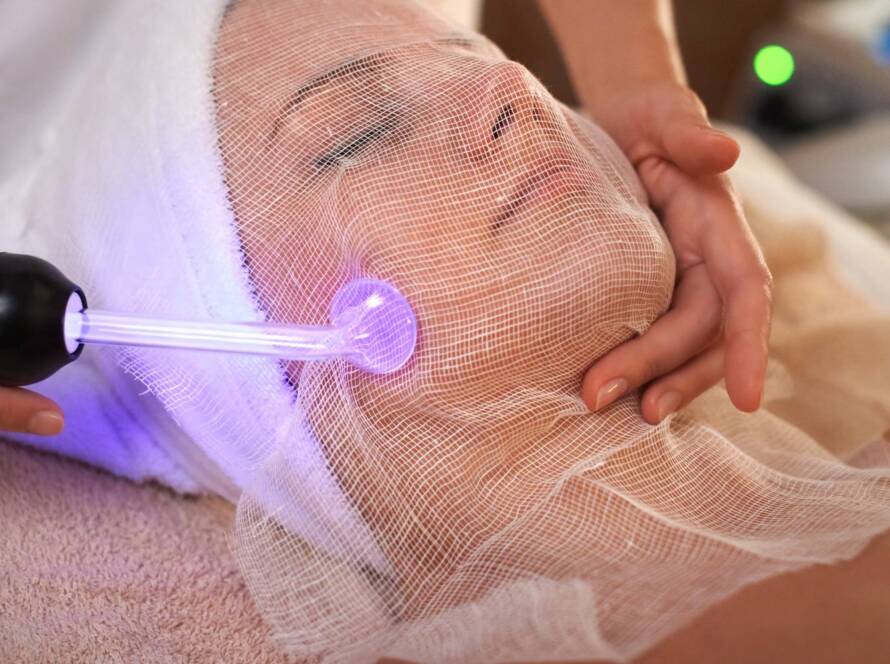
Many local businesses that treat these concerns alongside other services, like med spa treatments that can get rid of a double chin, note that clients with excess neck or underarm folds tend to develop more tags. Some providers also use tools such as high frequency devices during broader skincare visits; if you’re curious, what does high frequency do for skin explains how it supports overall skin health.
Professional Skin Tag Removal: Why It’s the Safer Choice
Risks of DIY Removal Methods
Many people try to remove skin tags at home with nail clippers, dental floss, or over-the-counter freezing kits. These methods can cause bleeding, infection, and scarring. Tying off a growth cuts circulation, but it doesn’t address the base where the tag attaches to skin. That raises the odds of regrowth, or a painful, uneven wound.
Home tools are rarely sterile. Bathroom scissors or clippers can carry bacteria, which leads to infected skin days after a self-treatment attempt. Without proper technique, bleeding can be hard to control, especially on tags near the eyes, neck folds, or underarms.
There’s also a diagnostic risk. Some growths that look like tags are actually moles or other skin changes that need a closer review. Cutting into an unknown growth at home removes the chance for early evaluation. As Skin Tags & Skin Tag Removal | MinuteClinic® notes, proper assessment matters before any treatment begins.
Benefits of Clinical Evaluation First
A clinical visit starts with a real look at the growth. Trained staff check size, color, and location before choosing a method. This step catches unusual growths early, instead of assuming every bump is a harmless tag.
Accuracy matters. A provider picks the right tool — scissors, cauterization, or cryotherapy — based on tag size and skin type. That lowers scarring risk compared to guesswork at home.
Choosing skin tag removal through a trained provider also means sterile tools and controlled bleeding, giving patients a cleaner, faster healing process.
How Professionals Ensure a Safe Procedure
Providers use sterilized instruments for every session, cutting infection risk sharply compared to reused home tools. Numbing options reduce discomfort, and controlled techniques keep bleeding to a minimum.
Aftercare guidance also matters. Patients get clear instructions on cleaning, bandaging, and monitoring the area over the following week, which supports faster, scar-free healing.

Skin Tag Removal Methods Compared
Cryotherapy vs Cauterization
Cryotherapy freezes the tag with liquid nitrogen. The tissue dies and falls off within days. Cauterization uses heat to burn through the stalk, sealing tiny blood vessels as it works. Both suit small to medium tags and cause minimal bleeding. Some clinics also offer Cryotherapy sessions for broader skin benefits, but targeted freezing remains the standard for individual tags.
Excision and Laser Therapy Differences
Excision uses sterile scissors or a blade to snip the tag off — often the fastest option for larger growths. Laser therapy vaporizes tissue with focused light, offering precision on delicate areas like eyelids. Ligation ties off the tag’s blood supply, causing it to shrink and drop naturally over one to two weeks. Below is a quick comparison of what patients typically experience.
| Method | Healing Time | Discomfort Level | Best For |
|---|---|---|---|
| Cryotherapy | 3-7 days | Mild stinging | Small tags, multiple areas |
| Cauterization | 5-10 days | Brief heat sensation | Medium tags, bleeding-prone spots |
| Excision | 7-14 days | Low, local numbing used | Larger or stalked tags |
| Laser Therapy | 5-10 days | Minimal | Facial or sensitive-skin tags |
| Ligation | 10-21 days | Very low | Longer, thin-stemmed tags |
Choosing the Right Method for Your Skin Tag
Size and location guide the decision. Small tags on the neck often respond well to freezing, while larger eyelid growths need laser precision. A trained provider examines each tag before recommending treatment. For at-home comparison, the Claritag Advanced Skin Tag Remover – FDA-Cleared Device shows how consumer freezing tools work, though professional-grade cryotherapy offers deeper, more controlled results. Skin health matters beyond tag removal too; readers curious about related treatments can learn whether do facials help with acne as part of a broader skincare routine.
What Happens During a Removal Appointment
Initial Consultation and Skin Assessment
Every appointment starts with a close look at each growth. A trained provider checks the size, location, and number of skin tags before choosing a method. This step matters, since options like Skin Tag Removal in San Diego, CA show how clinics often tailor treatment plans to each patient’s skin type and medical history.
Before the visit, patients should mention any bleeding disorders, blood thinners, pacemakers, or pregnancy. This helps the provider pick the safest technique and avoid complications.
Step-by-Step Treatment Process
Most sessions run 15 to 30 minutes, depending on how many tags need attention. The process usually follows a clear sequence.
- The skin is cleaned thoroughly to lower infection risk before any tool touches the area.
- A topical or injectable numbing agent is applied and given time to take full effect.
- The provider removes each tag using cauterization, cryotherapy, or a precise surgical snip.
- Bleeding is controlled immediately with pressure or a topical solution.
- A protective ointment and bandage are placed over larger removal sites.
Aftercare and Healing Timeline
Healing is usually quick, with most spots closing within one to two weeks. Patients should keep the area clean and dry, and avoid picking at any scab. Some clinics offer written guidance similar to botox aftercare instructions, covering sun exposure, moisturizing, and signs of infection to watch for during recovery.
Cost Considerations and Insurance Coverage
Average Cost by Treatment Type
Most tag removal falls under cosmetic care, not medical treatment. That matters, because pricing and coverage both depend on that classification. Costs vary by method, size, and how many tags need attention. The table below shows typical ranges reported across many local businesses offering this service.
| Method | Typical Cost per Tag | Session Length |
|---|---|---|
| Cryotherapy (freezing) | $50–$150 | 5–10 minutes |
| Electrocautery | $75–$200 | 10–15 minutes |
| Laser removal | $100–$250 | 10–20 minutes |
| Surgical snip excision | $50–$175 | 5–15 minutes |
When Insurance Might Apply
Insurance rarely pays for tag removal. Carriers view it as elective and cosmetic unless a tag causes bleeding, pain, or repeated irritation from clothing or friction. In those cases, a provider may document medical necessity and submit a claim. Without that documentation, patients pay out of pocket. For a broader breakdown of pricing factors, see Skin Tag Removal: Procedure Options and Costs.
Financing and Payment Options
Many clinics offer payment plans or medical financing for larger treatment areas. Some bundle tag removal with other services, like hair removal sessions, to reduce per-visit costs. Ask about package pricing before booking multiple tags for treatment.
Signs You Should See a Professional Rather Than Wait
Warning Signs That Need Evaluation
Most skin tags are harmless. But some changes deserve a closer look before any at-home approach. A trained evaluation can rule out concerns early, before a small issue turns into a bigger one.
- The growth has doubled in size over a few weeks rather than staying stable for months or years.
- It bleeds without an obvious cause, such as friction from clothing or jewelry.
- The color shifts from flesh-toned to darker brown, black, or an uneven, patchy shade.
- The border becomes irregular or ragged instead of smooth and rounded.
- It feels tender, itchy, or painful even when it hasn’t been bumped or rubbed.
- A new growth appears suddenly and looks different from any tags you’ve had before.
Skin Tags vs Other Skin Growths
Skin tags are soft, small, and usually attached by a thin stalk. Moles, warts, and skin cancers can look similar at a glance but behave very differently. A mole is typically flatter and firmer, while certain lesions grow flush with the skin rather than dangling from it. Visual similarity is exactly why guessing at home is unreliable, and why a clinician’s trained eye matters before any treatment plan is chosen.
Why Self-Diagnosis Can Be Risky
Treating the wrong type of growth at home can delay proper care and mask early warning signs. A professional exam offers accurate identification and genuine peace of mind. Understanding What Happens During Skin Tag Removal? beforehand also helps set realistic expectations. The same logic applies broadly to skincare decisions, including questions like does waxing reduce hair growth, where informed guidance beats guesswork every time.
Will Skin Tags Return After Treatment
Understanding Recurrence Risk
Once a skin tag is properly removed, it will not grow back in that exact spot. The tissue is gone, and the base is treated so it can’t regenerate. This is one reason a clean, professional removal gives such lasting results.
What can happen is new tags forming elsewhere on the body, especially in friction-prone areas like the neck, underarms, or eyelids. That’s not true recurrence — it’s simply new growth, often driven by the same factors that caused the original tags, such as skin folds or repeated rubbing from jewelry or clothing.
Preventive Skincare Habits
Certain habits lower the odds of new tags forming. Keeping skin clean and dry in friction-prone areas helps, as does wearing well-fitted clothing that doesn’t rub or pinch. Managing body weight also matters, since excess skin folds create more friction points.
Some clients also find that regular wax sessions in high-friction zones reduce irritation compared to shaving, since smoother skin experiences less chafing. Staying informed about Skin Tags and their common causes helps clients catch new growths early.
Long-Term Skin Maintenance Tips
Routine skin checks, roughly every few months, help catch new tags while they’re small and easy to treat. Pairing this with regular professional skincare visits, such as facials or a virtual skin consultation, keeps a provider familiar with your skin over time.
Many local businesses also recommend gentle exfoliation through microdermabrasion or dermaplaning to support overall skin health. These habits won’t guarantee zero new tags, but they support healthier, more resilient skin overall.
Common Questions About Skin Tag Removal
Are Skin Tags Cancerous?
Skin tags are benign. They’re not cancerous and rarely turn into cancer. They’re simply small flaps of extra skin tissue caused by friction or hormonal changes. Still, any growth that changes color, bleeds, or grows quickly deserves a closer look. If you feel unsure, a virtual skin consultation 2 can help you decide whether an in-person exam is needed.
Can You Cut Off a Skin Tag Yourself?
Cutting a skin tag at home is risky. Without sterile tools or proper technique, problems can happen fast.
- Bleeding can be harder to control than expected, especially near larger tags.
- Infection risk rises when tools aren’t properly sterilized.
- Scarring becomes more likely without precise, clean technique.
- Nerve-rich areas like eyelids or the neck are easy to injure.
- Underlying skin conditions may be missed without a trained eye.
Do Wart Removal Products Work on Skin Tags?
Wart removers target viral tissue, not the skin tag’s stalk. Results are often inconsistent and can irritate healthy skin. For a detailed breakdown of home options, this guide on Skin Tag Removal: Home Remedies, OTC Options, and More is a helpful resource. When in doubt, a professional consultation offers safer, more predictable results.
Preparing for Your Consultation and Next Steps
Questions to Ask Your Skincare Specialist
Come prepared with a short list of questions. Ask which removal method fits your skin type, and why. Ask about downtime, scarring risk, and how many tags can be treated in one visit. A good specialist will explain the process clearly, without rushing you.
It also helps to ask about pricing structure, aftercare steps, and whether numbing options are available. If you have several tags in different areas, ask whether they can all be handled in one session or if multiple visits make more sense. Clear answers now prevent surprises later.
What to Expect at Your First Visit
Bring a list of current medications, any skin conditions, and notes on how long the tags have been present. Expect a visual skin exam, a short health history review, and a conversation about your goals. This first visit is mostly about assessment, not treatment.
Your provider may also discuss related services, such as facials or chemical peels, if you’re interested in broader skin goals. Many clients read the blog beforehand to understand terminology and feel more confident during the discussion. Expect the visit to last around 20 to 30 minutes.
Scheduling Your Personalized Treatment Plan
Once your provider confirms the right method, scheduling is simple. Most treatments finish in a single short session, with results visible within one to two weeks as the treated area heals. Larger or multiple tags may need a brief follow-up appointment.
Book during a time when minor redness or scabbing won’t interfere with events or photos. Many local businesses offer flexible scheduling, including virtual consultations, to plan treatment around your calendar. Ask about aftercare instructions before you leave, so healing stays on track.
If you’re ready to have those pesky skin tags removed safely by trained professionals, New website is here to help. As a premier day spa and skin care clinic offering advanced aesthetic services like facials, chemical peels, laser treatments, and personalized skincare solutions, their experienced team can address your skin tags alongside your broader skin rejuvenation goals. Reach out to New website today to book a consultation and see what a tailored treatment plan can do for your skin.