Another breakout, another late night scrolling for an acnes treatment that actually works without a prescription pad involved. You want clearer skin, not a dermatologist’s waiting room. If cystic or severe acne is your reality, a referral may still be necessary. But for the everyday breakouts most people deal with, esthetician-led facials, targeted extractions, and professional-grade peels can deliver real, lasting change. This guide breaks down exactly how to get there.
Understanding Why Acne Forms on Your Skin
Common Triggers Behind Breakouts
At its core, acne is a plumbing problem. A pore gets clogged with dead skin cells and oil. Bacteria move in, and your immune system fires back with inflammation. That’s the redness and swelling you see. Sebum, the oil your skin produces to stay lubricated, is normal and necessary. But when you make too much of it, or it mixes with debris that won’t drain properly, you get a backup. That backup shows up as a bump, a cyst, or a stubborn cluster of blackheads.
What causes that backup varies a lot from person to person. Hormonal shifts around your cycle, puberty, or stress can ramp up oil production almost overnight. Diet plays a role too — some people notice flare-ups after high-sugar or high-dairy meals, though the science here is still evolving and not universal. Stress itself is a trigger, not just a side effect of having acne; cortisol spikes can push your glands into overdrive. Even swimming in the ocean gets asked about often enough that it’s worth reading up on does saltwater help with acne before assuming it’s a fix.
Skincare products themselves can also be the culprit. Heavy, comedogenic moisturizers, certain sunscreens, and even some makeup can clog pores in people who are otherwise doing everything right. It’s frustrating. You’re trying to help your skin and accidentally making it worse.
Why One-Size-Fits-All Solutions Often Fail
Not all acne is the same. That’s exactly why a single product rarely solves it. Blackheads and whiteheads are surface-level, caused by clogged pores that haven’t gotten deeply inflamed yet. Cystic acne sits much deeper, forming painful, swollen nodules under the skin that don’t respond to typical spot treatments. Hormonal acne tends to cluster along the jawline and chin, flaring on a monthly cycle rather than randomly. Each type has a different root cause. Each one needs a different response.
This is where generic drugstore routines tend to fall short. A salicylic acid cleanser might clear out blackheads just fine but do almost nothing for a deep cystic breakout. Meanwhile, treating hormonal acne like it’s a hygiene issue usually backfires — it’s not dirt, it’s biology. Research into Treatment strategies for anterior cutaneous nerve conditions and inflammatory skin responses underscores just how much overlap exists between nerve signaling, inflammation, and breakout severity, which is part of why blanket approaches underperform.
Recognizing your acne type is the real starting point. Once you know whether you’re dealing with clogged pores, hormonal fluctuation, or deep inflammation, you can match the approach to the problem instead of guessing. For ongoing education on this, many people find it helpful to browse a blog that breaks down these distinctions in plain language.
Acnes Treatment Options: From Prescriptions to Non-Medicated Approaches
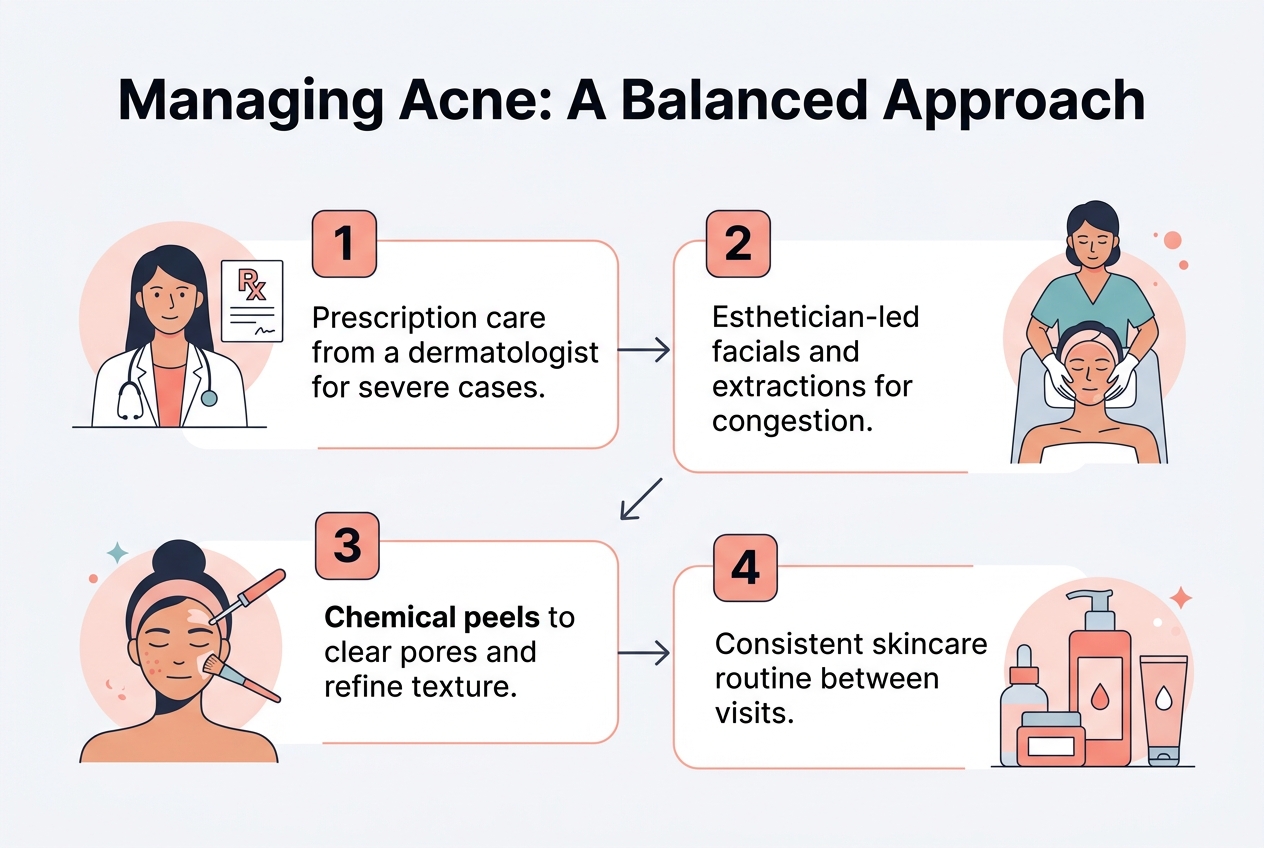
When Medication May Still Be Necessary
Some breakouts really do need a doctor. Dermatologists often prescribe topical retinoids, oral antibiotics, or isotretinoin for severe, cystic, or scarring acne, and these medications can work fast when nothing else has. But they come with strings attached: dry, peeling skin, sun sensitivity, monthly bloodwork, or a months-long commitment before you see the payoff. Isotretinoin in particular demands close monitoring and isn’t something anyone should take lightly. Reading up on general Pain Management & Treatment approaches can help you understand what dermatology-led care typically involves before you commit to it.
A Non-Prescription Path to Clearer Skin
Esthetician-led care takes a different route. Instead of altering your body’s chemistry, it works on the skin’s surface, consistently and repeatedly, through extractions, peels, and facials that clear pores and calm inflammation over time. It’s slower. That’s the trade-off, and it’s a fair one for many people. The table below lines up the two paths side by side so you can see where each one fits.
| Approach | How It Works | Typical Timeline | Considerations |
|---|---|---|---|
| Topical retinoids | Speeds cell turnover, unclogs pores | 8-12 weeks for visible change | Dryness, peeling, sun sensitivity |
| Oral antibiotics | Reduces acne-causing bacteria internally | Weeks to a few months | Not for long-term use, gut side effects |
| Isotretinoin | Shrinks oil glands, resets skin long-term | 4-6 months, one course | Requires bloodwork, strict monitoring |
| Facial extractions | Manually clears existing clogged pores | Ongoing, monthly sessions | No systemic side effects, non-invasive |
| Chemical peels & facials | Exfoliates surface buildup, calms breakouts | Series of 4-6 sessions typically | Gradual results, minimal downtime |
A dedicated provider focused on non-prescription acne care builds protocols around that bottom half of the table: extractions to clear what’s already clogged, peels to keep new congestion from forming, and facials to manage inflammation between visits. The goal is lasting results without leaning on medication as the default. There’s no miracle involved, just consistency. That said, if breakouts are cystic, painful, or leaving deep scars, esthetic care alone won’t cut it. A dermatologist referral alongside your skincare routine is the honest next step.
In-Clinic Treatments That Target Breakouts and Scarring
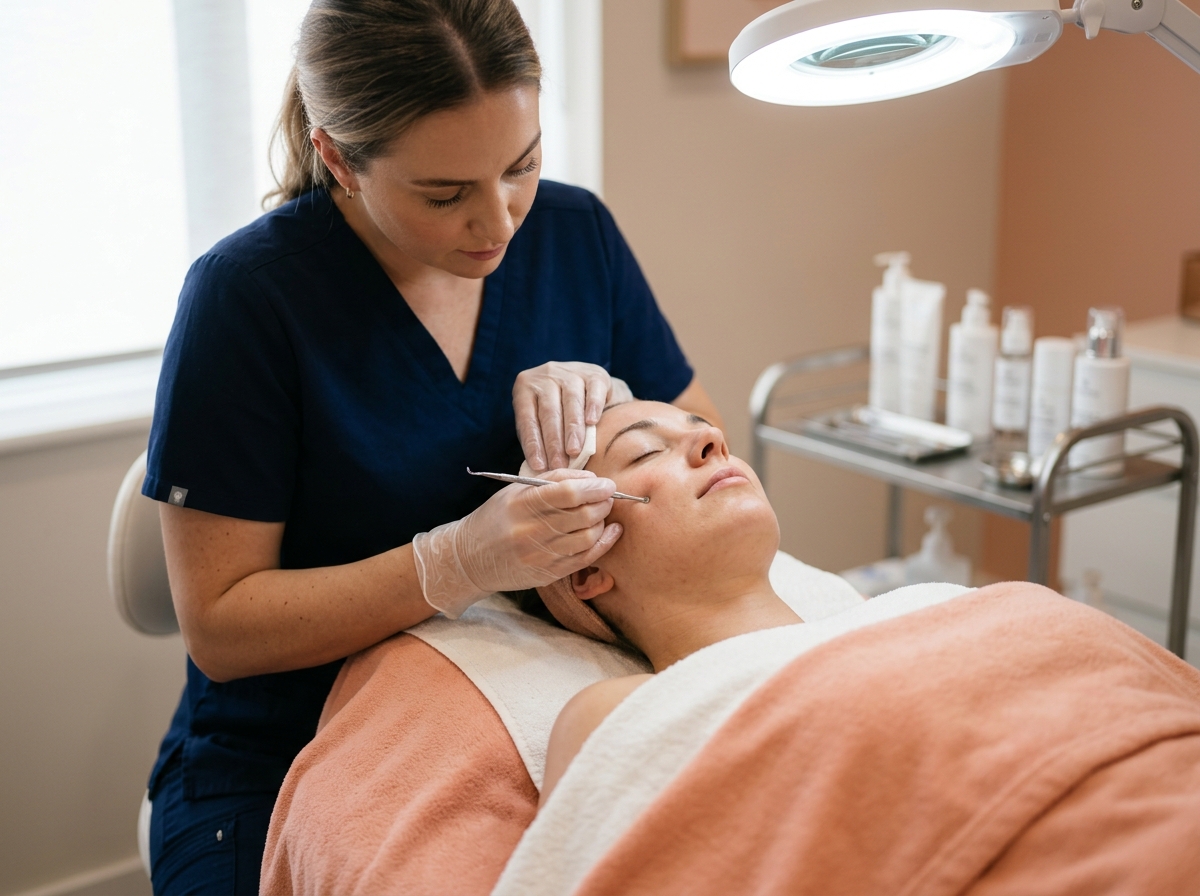
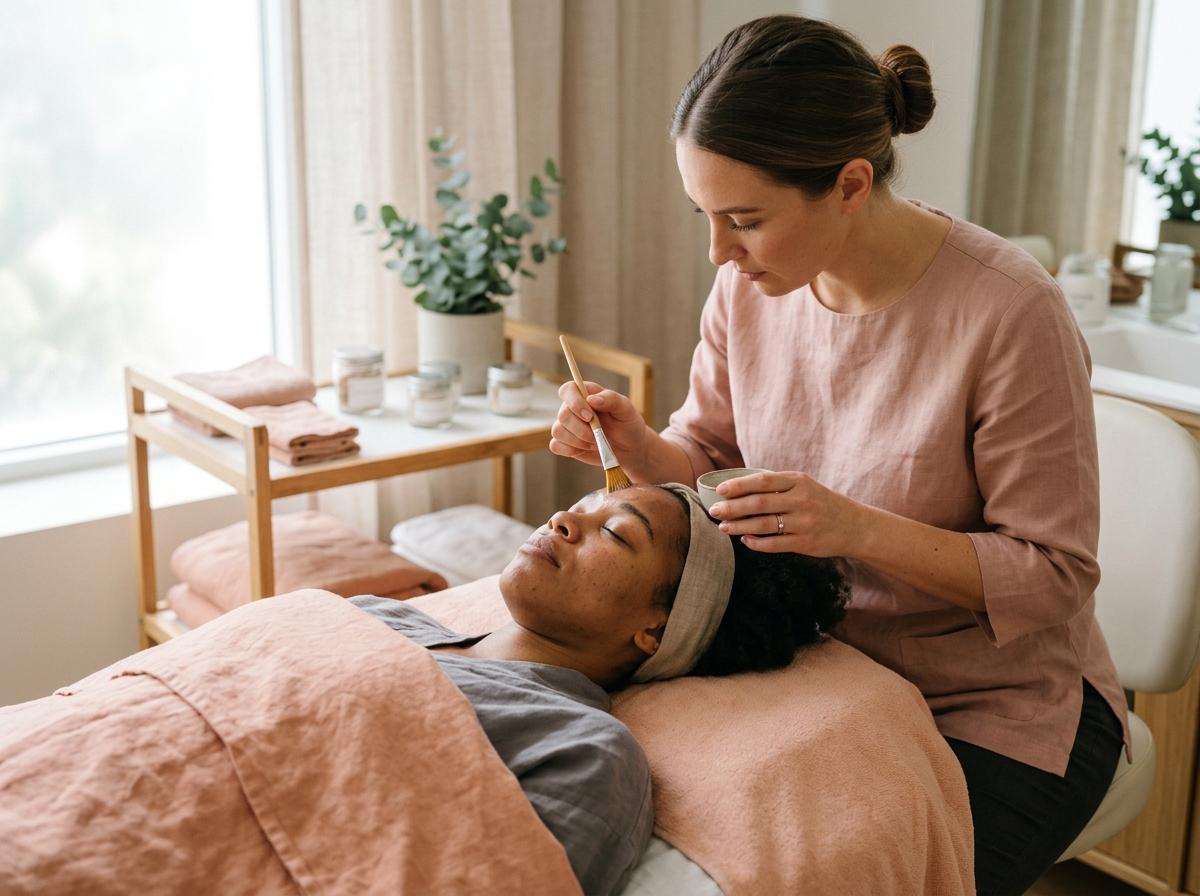
Home care only gets you so far. Once breakouts turn stubborn or leave marks behind, in-clinic work does the heavy lifting. Facials with deep cleansing help manage active breakouts by clearing congestion that daily washing can’t touch, and they calm inflammation before it turns into something worse. That’s the starting point for most acne-prone skin. It’s usually where a trained esthetician spots patterns you’d never notice on your own.
Peels and Microchanneling for Texture and Scarring
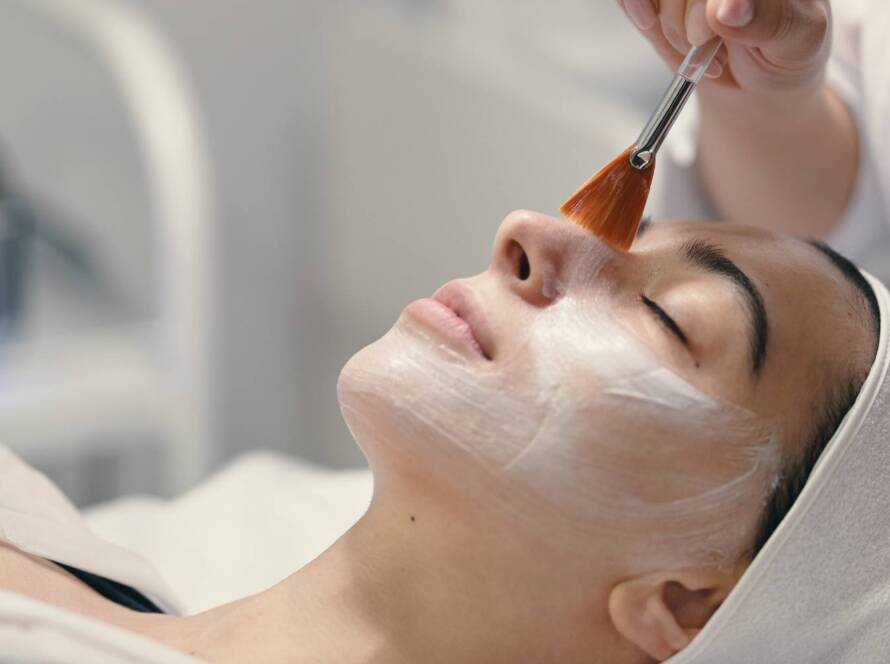
Chemical peels exfoliate dead skin and unclog pores, which cuts down on future flare-ups rather than just treating what’s already there. They work on a shallow, controlled level, using acids like glycolic or salicylic to lift away buildup. Microchanneling goes a step further. It supports skin renewal by creating tiny, controlled channels in the skin, which can improve the look of acne scarring over time as collagen rebuilds beneath the surface. Neither works overnight. Results build across a series of sessions, not a single visit. If you’re comparing options for smoothing old scars versus fading current redness, understanding what causes blackheads and how to treat them helps explain why extractions and peels often get paired together in one visit.
Extractions Done Safely by a Trained Esthetician
Extractions have a bad reputation, mostly because they’re done wrong at home. Facial extractions performed by trained estheticians safely clear stubborn congestion using sterile tools and proper pressure, which lowers the risk of scarring or spreading bacteria. A qualified provider knows which blackheads and whiteheads are ready to come out and which need more prep first. Beyond extractions, a few other treatments round out a scar-and-texture protocol:
- Microdermabrasion smooths texture left behind by past breakouts by gently sanding away the outermost layer of dead, uneven skin.
- Oxygen spray calms inflamed, irritated skin after treatment, helping reduce redness before you walk back out the door.
- Chemical peels can be layered in over multiple visits to gradually fade dark marks from healed acne.
- Microchanneling sessions are often spaced several weeks apart to give collagen time to rebuild between treatments.
- Facials in between more intensive sessions keep pores clear and prevent new congestion from undoing progress.
None of this replaces a dermatologist for cystic or severe acne. But for surface-level breakouts and the scars they leave behind, these treatments cover a lot of ground.
Building a Personalized Treatment Plan
What Happens During a Skin Consultation
No two breakouts are the same, so no two plans should look the same either. Age matters: a teenager dealing with hormonal surges needs a different approach than someone in their late thirties battling adult-onset acne alongside early fine lines. Skin type matters too — oily, dehydrated, sensitive, or a mix of all three changes which treatments make sense. Then there’s downtime tolerance and budget, both just as important as the science. Someone who can’t afford visible redness before a big event needs a gentler protocol than someone with a wide-open calendar.
A lot of providers now start the process with a virtual consultation rather than jumping straight into an office visit. It’s a quick way to flag obvious triggers, review products you’re already using, and figure out whether a case looks mild, moderate, or more stubborn before anyone sets foot in a treatment room. Booking a virtual skin consultation upfront also saves time, since the esthetician walks into the in-person visit already knowing your history instead of starting from zero.
From there, expect a series, not a single appointment. Facials, chemical peels, and extractions are usually spaced out over weeks or months, since skin turns over gradually and results build with each visit. Consistency beats novelty here — showing up for four or five sessions on schedule will outperform chasing whatever new product just trended online. Plain truth: skipping around from treatment to treatment is why some people feel stuck for years. Professional guidance keeps the plan on track, adjusting as your skin actually responds instead of guessing.
Comparing At-Home Care vs. Professional Treatment
Strengths and Limits of Drugstore Products
A drugstore cleanser, a benzoyl peroxide spot gel, an over-the-counter retinol — these are the backbone of most acne routines, and for good reason. They’re cheap, easy to find, and you control the schedule. But they mostly work on the skin’s surface. Clogged pores sitting deeper down often shrug off a 2% salicylic acid wash. Results also crawl along slowly; expect 8 to 12 weeks before a retinol shows real change, and that’s if your skin tolerates it without excessive flaking.
What Professional Treatment Adds
Trained hands and stronger, monitored ingredients reach congestion that home products can’t touch. A professional chemical peel uses acid concentrations far above anything sold retail, applied for a set time and neutralized on schedule — that precision matters. Facial extractions clear out blocked pores directly rather than hoping a serum dissolves them eventually. The trade-off is cost and time: sessions require appointments, some mild redness, and a bigger price tag per visit. Here’s the blunt truth, though — cheap and slow, or pricier and faster, pick one.
| Factor | At-Home Routine | Professional Session |
|---|---|---|
| Typical cost | $10–$40 per product | $100–$250 per session |
| Time to visible change | 8–12 weeks | 1–4 sessions |
| Downtime | None to mild dryness | Mild redness, 1–2 days |
| Depth of action | Surface layer | Deeper congestion, extractions |
| Ingredient strength | Regulated, lower dose | Higher dose, monitored |
Neither approach wins outright. Home care keeps daily maintenance affordable, while an in-office chemical peel or extraction session handles the stubborn congestion that products alone won’t budge. For readers exploring non-injectable, non-surgical routes generally, browsing treatments that dont require a knife can help frame expectations before booking anything. Most people land on a mix: consistent home habits between periodic professional visits, adjusted over time as skin responds and seasons change.
Caring for Acne-Prone Skin Beyond Breakouts
Managing Post-Acne Marks and Texture
Acne rarely leaves quietly. Even once breakouts calm down, you’re often left with dullness, rough texture, or those flat red and brown marks that linger for months. This is normal. Skin that’s been inflamed goes through a slow repair process, and the surface often looks tired long after the actual pimple is gone. Treating the aftermath matters just as much as treating active breakouts.
Facials and chemical peels play a bigger role here than most people expect. A facial isn’t just a relaxing add-on; it supports circulation, clears out congestion, and helps skin recover its tone between more active treatments. Chemical peels go a step further, using acids like glycolic or lactic acid to encourage skin to shed dulled, uneven surface layers and reveal smoother tissue underneath. Results build gradually — think a series of sessions over a few months, not one dramatic fix. That’s a fair trade for something with minimal downtime.
Texture concerns and mild scarring respond well to this steady approach, too. Microchanneling, in particular, works by creating controlled micro-injuries that prompt the skin to rebuild collagen where acne once disrupted it. It won’t erase deep scarring overnight, but with consistency, many clients see a noticeably more even surface within a handful of sessions.
Where Skin Tag Removal Fits (and Where It Doesn’t)
Skin tags love to show up in the same areas acne does — jawline, neck, along the hairline — which confuses a lot of clients. They’re small, soft, harmless growths, completely unrelated to acne itself, but they can make a treatment area feel more textured or irritated than it should. In-office removal handles these cleanly and quickly, with no lasting mark once healed.
Here’s the line you don’t want to cross, though: moles and suspicious lesions are a different story entirely. Any spot that’s changing shape, color, or size needs a medical provider, not an esthetician. Skin tag removal is strictly for benign tags — anything questionable gets referred out first. No exceptions, no guessing.
Dermaplaning deserves a mention here, too, since it tackles a subtler issue: buildup and peach fuzz that trap oil and dead skin, quietly worsening congestion over time. Removing that layer lets other treatments absorb better and gives skin an immediately smoother feel. And when it comes to overall upkeep, waxing and lash or brow services round things out nicely; clients dealing with acne still want groomed brows and long lashes, and getting extensions or a lash lift doesn’t interfere with a skin-focused routine at all. It’s worth noting that acne itself has been studied from some unexpected angles, including research on Abdominal Cutaneous Nerve Entrapment Syndrome (ACNES), a reminder that skin conditions can have layered, sometimes surprising origins worth understanding.
Choosing the Right Skin Care Clinic for Long-Term Results
Not every clinic that treats breakouts is worth your money. Some lean on trendy add-ons instead of real acne knowledge. Before you hand over your card, it pays to ask a few pointed questions and see how the answers land.
Questions to Ask Before Booking
A good consultation should feel like a conversation, not a sales pitch. Here’s what’s worth asking before you commit to a package or a series of visits:
- Ask how many years the esthetician has spent specifically treating acne-prone skin, not just general facials or anti-aging work.
- Ask whether your plan will be personalized to your skin type, age, and breakout pattern, rather than a generic “one facial fits all” approach.
- Ask how many sessions are typically needed before you should expect visible change — one visit almost never does it.
- Ask what happens if your acne looks cystic or severe, and whether you’d be referred out for that.
- Ask how extractions, peels, or microchanneling are chosen for your specific breakout type versus applied as a default routine.
If a provider can’t answer these clearly, that’s a red flag. Vague answers usually mean a vague plan — and a vague plan rarely clears skin.
Why Consistency Across Visits Matters
Acne protocols work in layers, not miracles. One peel might calm inflammation temporarily, but skin cycles, clogs, and habits take repeated sessions to actually shift. Some clients also mistake nerve-related skin pain for breakouts; if you’re dealing with unexplained localized burning or tenderness, it’s worth learning about Anterior Cutaneous Nerve Entrapment Syndrome (ACNES) before assuming it’s acne at all. That’s a different issue entirely, and no facial will fix it.
This is also where location matters more than people expect. If a clinic is an hour away, you’ll skip sessions. Skipped sessions stall results. Choosing a provider with multiple, easy-to-reach locations makes it realistic to actually show up for the full series rather than falling off after visit two.
Real progress tends to come from teams who’ve dealt with acne-prone skin themselves, not just studied it in a textbook. You can read more about how one team’s founder built her approach around her own experience with breakouts before ever treating a client. Booking a first consultation by phone or email is usually the easiest way to find out whether a provider’s philosophy actually matches yours before committing to a full plan.
Before choosing a path forward, it helps to be honest about what you’re really after — dramatic, fast correction or a gradual, low-downtime improvement you maintain over time — since that answer points toward very different kinds of providers. It’s worth asking who’s actually performing the treatment, how many sessions realistic results will take, and whether ongoing upkeep fits your budget and patience. A knowledgeable esthetician can be an excellent guide for the skin-deep side of that journey, but knowing where their scope ends and a medical provider’s begins is what keeps expectations, and your skin, in good shape.